


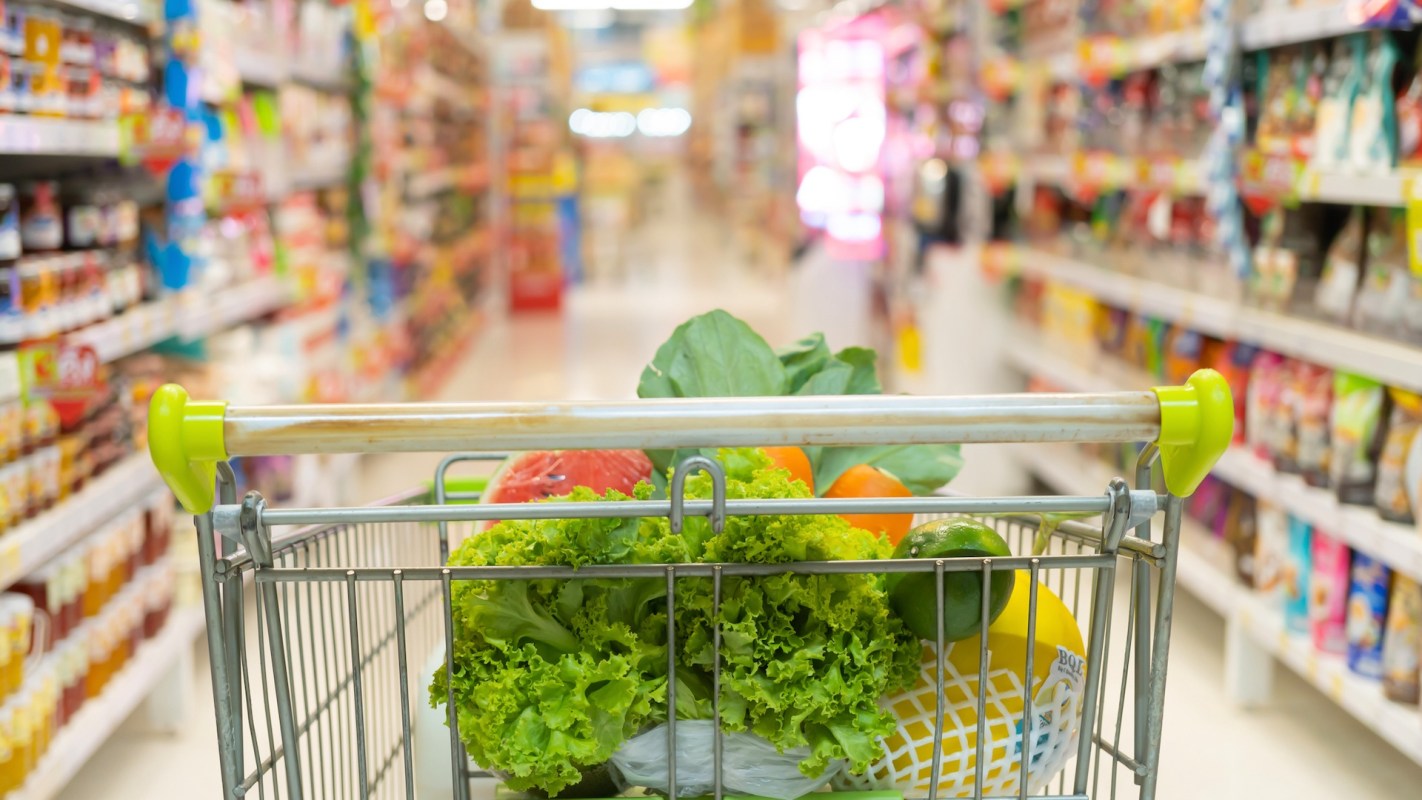
Grocery inflation may seem manageable at first glance, but that picture changes quickly once shoppers reach the produce aisle, coffee shelf, or meat case.
The average increase only tells part of the story. Grocery prices are up 2.7% from a year ago, but some common items have risen much faster, and a few have become cheaper.
What's happening?
New inflation data shows that food prices are not moving in lockstep.
Instead, shipping costs, severe weather, tariffs, disease, and climate-related disruptions are hitting different supermarket items in different ways, CNN reported. That means shoppers can no longer assume every aisle is getting more expensive at the same pace.
Even within fruit, the broad numbers hide sharper moves. Fresh fruit prices are up a relatively modest 2.1% year over year, but apples have climbed 5.6%, in part because imports dominate this season and fuel expenses are being passed on. Citrus has risen 6.1% as growers in Florida and Brazil continue to grapple with citrus greening.
Outside the produce section, coffee is up 17.5% and beef has risen 12.9% amid historically low herd counts, drought, and more expensive feed.
TCD Picks » Quince Spotlight
💡These best-sellers from Quince deliver affordable, sustainable luxury for all




Vegetables, meanwhile, have been hit especially hard, climbing 11.9% overall, with tomatoes jumping 32% over the past year and lettuce up 24.9% because of cold weather, heavy rain, tariffs, and higher fuel costs.
Not every staple is costing more. Eggs are down 35.2% after last year's avian flu crisis, chicken has dipped 0.6%, and both bananas and potatoes are cheaper as well, falling 1.2% and 0.6%, respectively.
Why does it matter?
A shopper buying tomatoes, lettuce, coffee, and beef could feel a much greater squeeze than someone filling a cart with eggs, bananas, and chicken.
The price shifts show how vulnerable the food system is to broader disruptions.
War-related shipping complications, diesel prices, crop disease, drought, extreme weather, and climate change are all filtering through to checkout lines.
In many cases, consumers are paying more not because demand suddenly surged, but because growing, transporting, and storing food has become harder.
Even sweets are getting more expensive; candy is up 9.3%, and chocolate has been hit especially hard by tariffs and climate pressures.
What can I do?
A better approach than assuming everything is equally overpriced is to make targeted substitutions.
Frozen fruits and vegetables can also help, with prices up just 2.1% and showing less volatility than canned produce, which rose 5.2%.
Small swaps can also lower costs in drinks and proteins. Tea prices rose just 1.4%, far below coffee's 17.5% jump, making it a cheaper option for now. And for summer cookouts, switching from beef to pork or chicken could trim costs, since pork is up 2.6% and chicken is slightly down.
Breakfast may be one of the easiest places to save. Egg prices have dropped sharply, while bacon and cereal have risen only modestly.
And for dessert, frozen pies and tarts are seeing much smaller price increases than candy.
Grocery prices are still rising overall, but savings may come from treating the supermarket less like one market and more like dozens of mini-markets.
What shoppers buy matters almost as much as how much they buy.

Get TCD's free newsletters for easy tips, smart advice, and a chance to earn $5,000 toward home upgrades. To see more stories like this one, change your Google preferences here.







