


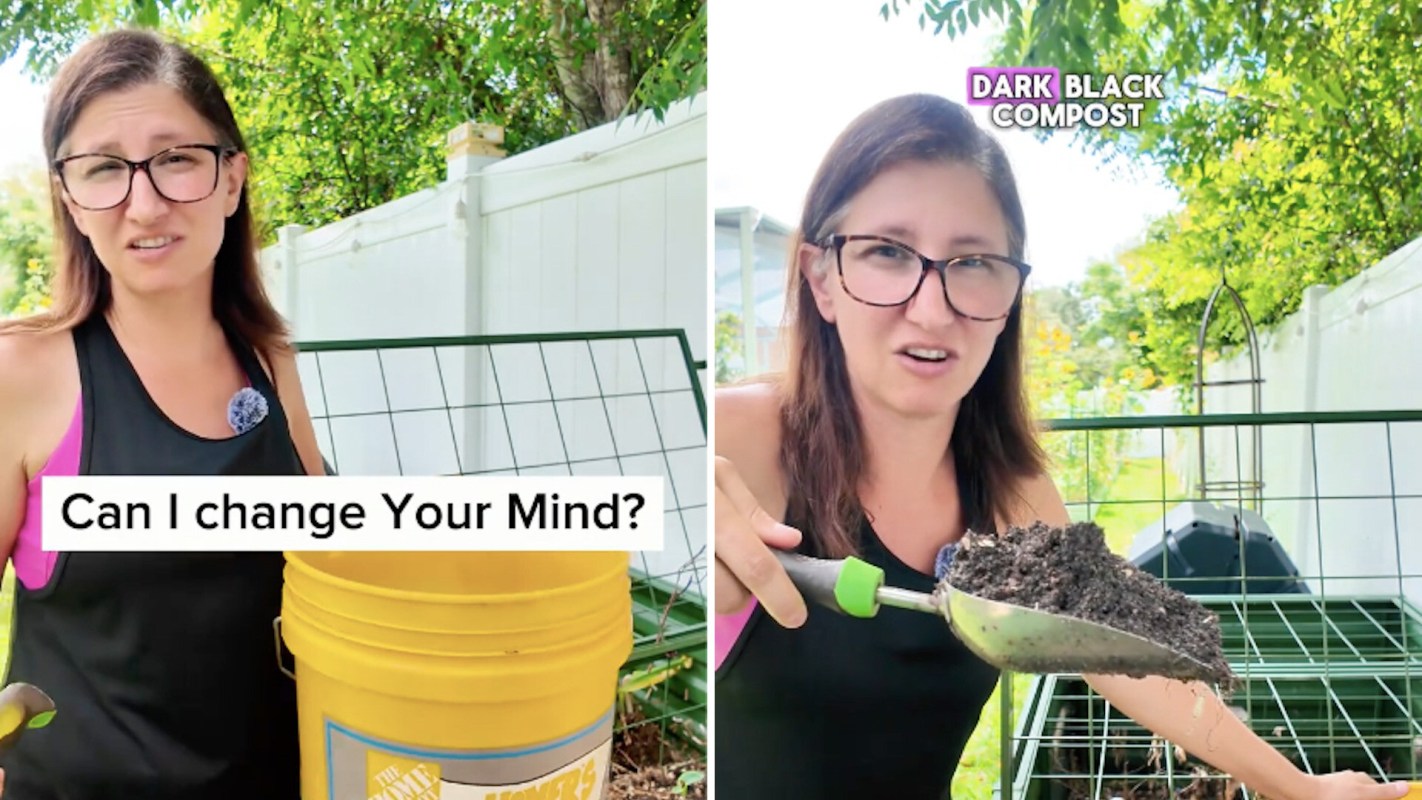
For plenty of beginners, composting sounds like a guaranteed source of bad smells, unwanted animals, and pricey backyard gear. One gardener, though, says getting started can be much easier than that.
What's happening?
In a TikTok video posted by Homegrown Florida (@homegrownflorida), the gardener argued that composting is more manageable than many people assume, especially when it comes to odor, pests, and the cost of getting started.
Wildlife problems, the gardener said, often depend on what goes into the pile. Meat and other food scraps can attract animals, while standard yard waste such as clippings and pulled plants usually does not. The creator also connected that issue to odor, saying: "If it smells, it's probably going to attract animals."
@homegrownflorida I think composting gets a bad reputation because people assume it's smelly, complicated, attracts animals, or requires expensive equipment. The truth is that most compost piles don't smell when managed properly, wildlife issues usually come down to what you're adding, and you can compost in anything from a fancy tumbler to a simple pile on the ground. I don't even stress about perfect green-to-brown ratios. I just keep adding material and if I notice an odor, I throw some shredded paper, leaves, or wood chips on top. If you've been putting off composting, maybe this is your sign to give it a try. If you've decided to start one, leave me a comment below. #creatorsearchinsights #compost #soilhealth #gardeningtips #floridagardening ♬ original sound - Homegrown Florida
When smell does become a problem, the suggested remedy is to add a layer of dry "brown" materials, including leaves, paper products, cardboard, wood chips, or sawdust. Shredded paper is the gardener's preferred fix: "Whenever my bin starts to smell a little bit, I just dump the whole bin of shredded paper on top of it. By the next day, there's no more smell."
The gardener also said there is no need to buy a compost bin in order to begin. "You can literally just throw your stuff on the ground in a little pile, and that works," the creator said.
Why does it matter?
Composting can turn everyday yard trimmings and food scraps into nutrient-rich material for gardens instead of sending that waste to a landfill. It can also help home gardeners cut back on fertilizers, potentially saving money over time.
TCD Picks » Quince Spotlight
💡These best-sellers from Quince deliver affordable, sustainable luxury for all




Healthy compost can make a meaningful difference for anyone trying to grow their own fruits, vegetables, or herbs. Better soil often leads to stronger plants and better produce, and gardening itself can offer mental and physical health benefits while helping households reduce grocery costs.
One commenter wrote, "Composting is next on my list. To keep it simple I thought I would do the tumbler composter." Another asked, "How do you like the tumbler set up? How long does it take to start having compost to use?"
What can I do?
Rather than worrying about exact measurements, the creator suggested thinking in terms of two basic categories. Greens include grass clippings, food scraps, manure, and other fresh plant matter, while browns include paper, cardboard, leaves, and woody materials.
Getting started can be as simple as using whatever setup is already available, whether that is a tumbler, a basic bin, or a pile in the yard. To help keep animals away, avoid meat products and use garden debris and other compost-friendly scraps instead. If the pile starts to smell, add more browns on top.
Once compost is finished, it can help improve soil structure and support stronger plant growth in garden beds.
"You don't really need any, honestly, just a spot in your yard," the creator said.

Get TCD's free newsletters for easy tips, smart advice, and a chance to earn $5,000 toward home upgrades. To see more stories like this one, change your Google preferences here.






