


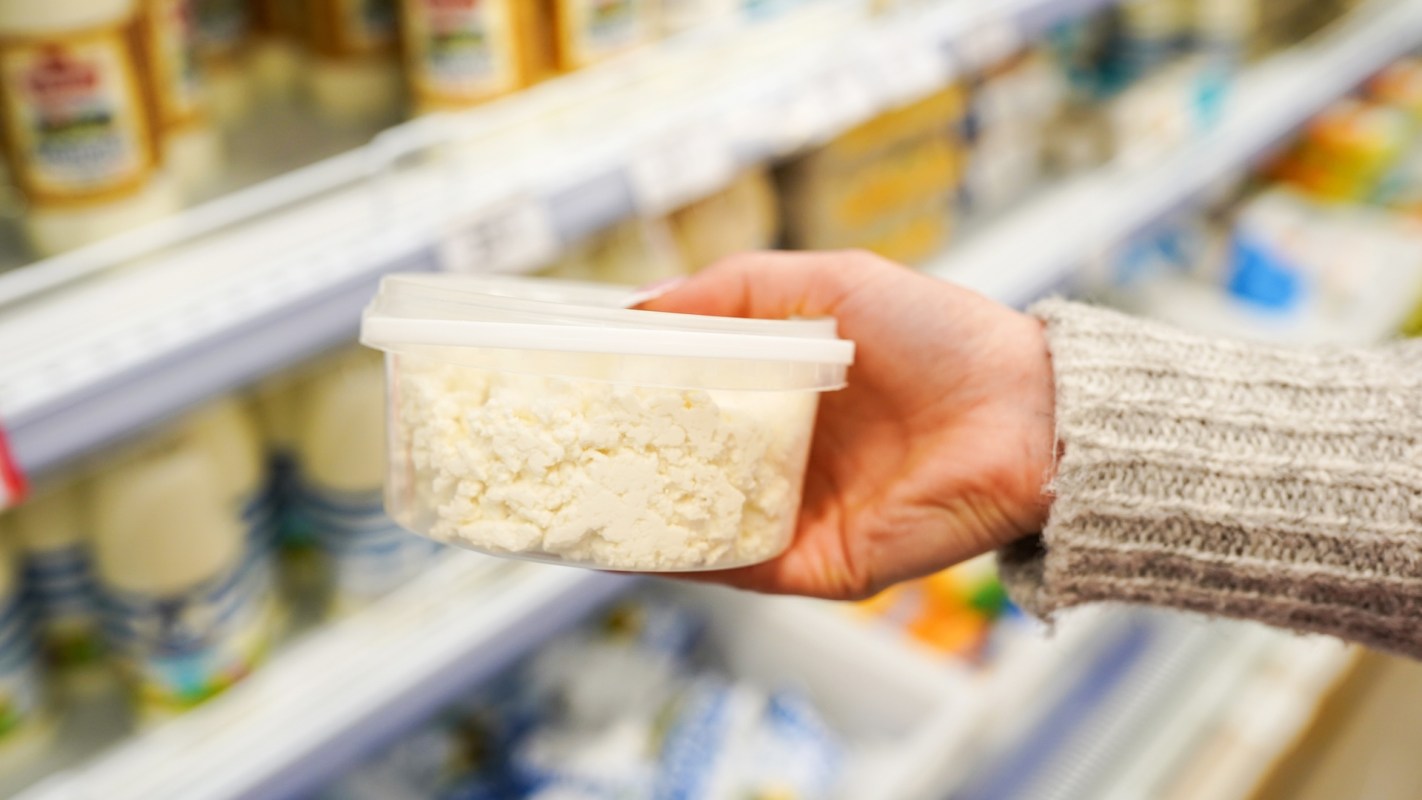
What started as a recall focused on Clover Hill Dairy's soft cheeses has now widened after a deadly listeria outbreak. The warning has expanded to cover every cheese made by Clover Hill, Today reported.
Because some of the products were sold in multiple states and under different labels, the potential food safety risk now stretches beyond a single cheese or brand, the CDC says. One person has reportedly died from listeria during the outbreak.
What happened?
A June 14 update from the Maryland Department of Health broadened the recall to include all cheese products made by Clover Hill Dairy in Mechanicsville, Maryland. Federal and state officials expanded the warning after testing tied the company's products and facility to the listeria outbreak, according to Today.
The recall first began on June 5 for the company's soft requesón cheeses. Nelson & Isa Lacteos LLC separately recalled its requesón cheese that day, the outlet noted. Then, on June 9, the CDC announced that it was investigating "a multistate outbreak of listeria infections linked to soft cheese."
Maryland health officials also found an environmental sample at the facility that matched the outbreak strain. By June 14, Today reported that six requesón samples had tested positive for Listeria monocytogenes with the same match.
According to federal officials, the cheeses were distributed in Maryland, New York, New Jersey, North Carolina, Virginia, and Washington, D.C. Additional states may have received contaminated products through redistribution.
TCD Picks » Quince Spotlight
💡These best-sellers from Quince deliver affordable, sustainable luxury for all




The latest CDC update states that 12 people in four states got sick in the outbreak, with 10 of them being hospitalized and one death reported in Maryland.
Why is this listeria outbreak concerning?
Listeria can be dangerous to anyone. People with weakened immune systems, very young people, and people over 65 can be more susceptible to illness. Symptoms may include fever, muscle aches, fatigue, headache, a stiff neck, confusion, balance problems, and seizures, according to the CDC.
Illness often starts within about two weeks, but symptoms can appear the same day or as late as 10 weeks later.
Figuring out whether a household has one of the recalled products may not be straightforward. Some of the affected cheese was sold in bulk buckets and later resold under brand names that the FDA listed as Kesso, Quesos La Ricura, Izalco, De Mi Pueblo, and Rio Lindo.
Food recalls like this pose real questions about the safety and transparency of industrial food production. While they can seem like one-offs at the moment, as more incidents pile up it becomes a concerning pattern that can threaten public health. There are real questions over whether enough is being done to quell these outbreaks and catch contamination early.
What can I do?
The CDC recommends discarding recalled products or returning them to the place of purchase. Consumers should also clean refrigerator shelves, containers, or surfaces that may have come into contact with cheese from the contaminated facility. Listeria can survive and spread in cold environments.
Anyone who bought cheese from stores where products may have been repackaged should be especially careful. The FDA advises checking manufacturer information to confirm whether a product came from Clover Hill Dairy.
The expanded recall includes all soft, smoked, mild, and hard cheeses, as Today noted. If you or someone in your household is in a higher-risk group and develops symptoms after eating recalled cheese, contact a doctor immediately.

Get TCD's free newsletters for easy tips, smart advice, and a chance to earn $5,000 toward home upgrades. To see more stories like this one, change your Google preferences here.







