


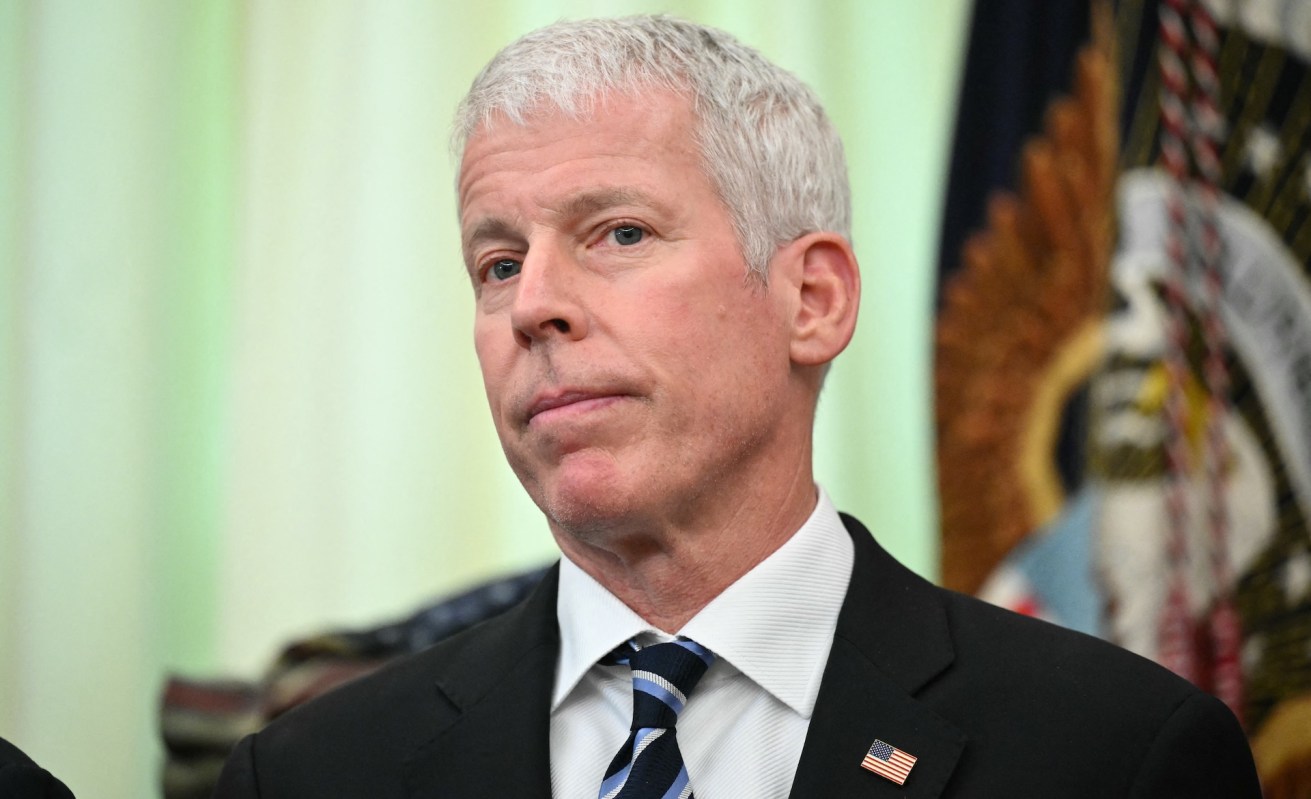
As extreme heat spread across Europe, a senior U.S. official used an appearance at a London conference to dismiss its dangers while pushing for more fossil fuel development.
What happened?
According to DeSmog, U.S. Energy Secretary Chris Wright, formerly the CEO of fracking services company Liberty Energy, joined the Alliance for Responsible Citizenship conference in London by video. He used the event to champion oil, coal, and gas while downplaying climate risks tied to rising temperatures.
At the conference, Wright said, "Always more people die in the winter than die in summer," and argued that "cold is a vastly larger killer than heat is."
He also told the U.K. to "change course" on energy and later said, "Understand climate change for what it is: a slow-moving phenomenon that ultimately will be addressed by better technologies."
The U.K. Met Office issued an extreme heat warning for June and said temperatures could climb to 39 degrees Celsius, or 102.2 degrees Fahrenheit.
In France, multiple outlets reported that at least 40 people had drowned while trying to cool off. Temperatures in parts of the country were expected to reach 43 degrees Celsius, or about 109 degrees Fahrenheit.
TCD Picks » Quince Spotlight
💡These best-sellers from Quince deliver affordable, sustainable luxury for all




The event itself also attracted attention. ARC has been described as a gathering of right-wing activists backed by oil and gas investors.
Why is the extreme heat in Europe concerning?
Scientists have been clear that heat waves are becoming more likely because of human-caused rising global temperatures.
The United Nations Intergovernmental Panel on Climate Change has said these temperatures are "unprecedented" and raise the risks of heat waves, floods, and drought.
Extreme heat can quickly turn deadly, especially for older adults, outdoor workers, children, and people without reliable access to cooling.
The oil, coal, and gas industries are contributing to this harm. Coal and natural gas power plants contribute to air and water pollution linked to asthma, heart disease, cancer, and premature death. Their air pollution also traps heat in the atmosphere.
Households can end up paying more when energy systems remain tied to volatile fuel markets instead of more abundant, lower-cost sources. Wind turbines and solar panels can help people save money and stay healthier in the long run.
Industry lobbying can further delay cleaner, less expensive solutions. The Trump administration has pushed to expand oil and gas extraction, even as experts say the world needs to move away from oil, coal, and gas.
What's being done?
Experts say technology can help reduce carbon pollution, but it cannot replace the need to cut oil, coal, and gas use. That includes expanding renewable energy, improving home energy efficiency, and investing in cooling protections that help people stay safe during extreme heat.
In the U.K., fracking remains banned, despite pressure from figures at the ARC conference.
Climate policies like emissions limits, renewable energy build-outs, and efficiency upgrades are meant to reduce both pollution and household energy costs.
Immediate safety measures include paying attention to heat alerts, staying hydrated, and checking on vulnerable neighbors.
Families may be able to lower bills and reduce pollution exposure through options like home weatherization, heat pumps, community solar, or rooftop solar where available.

Get TCD's free newsletters for easy tips, smart advice, and a chance to earn $5,000 toward home upgrades. To see more stories like this one, change your Google preferences here.







