


A new set of Virginia laws could bring community solar to a much larger group of residents and reduce electricity costs for roughly 125,000 additional households.
It has also made one farmer's choice to devote 20 acres to a modest solar project look especially significant.
What's happening?
What began as a letter asking to lease part of Steve Ault's 100-acre family farm in Prince Edward County, Virginia, ended with Steve and his wife, Chris Ault, agreeing to host a 5-megawatt shared-solar development.
Canary Media reported that the arrangement now produces tens of thousands of dollars in annual income for them.
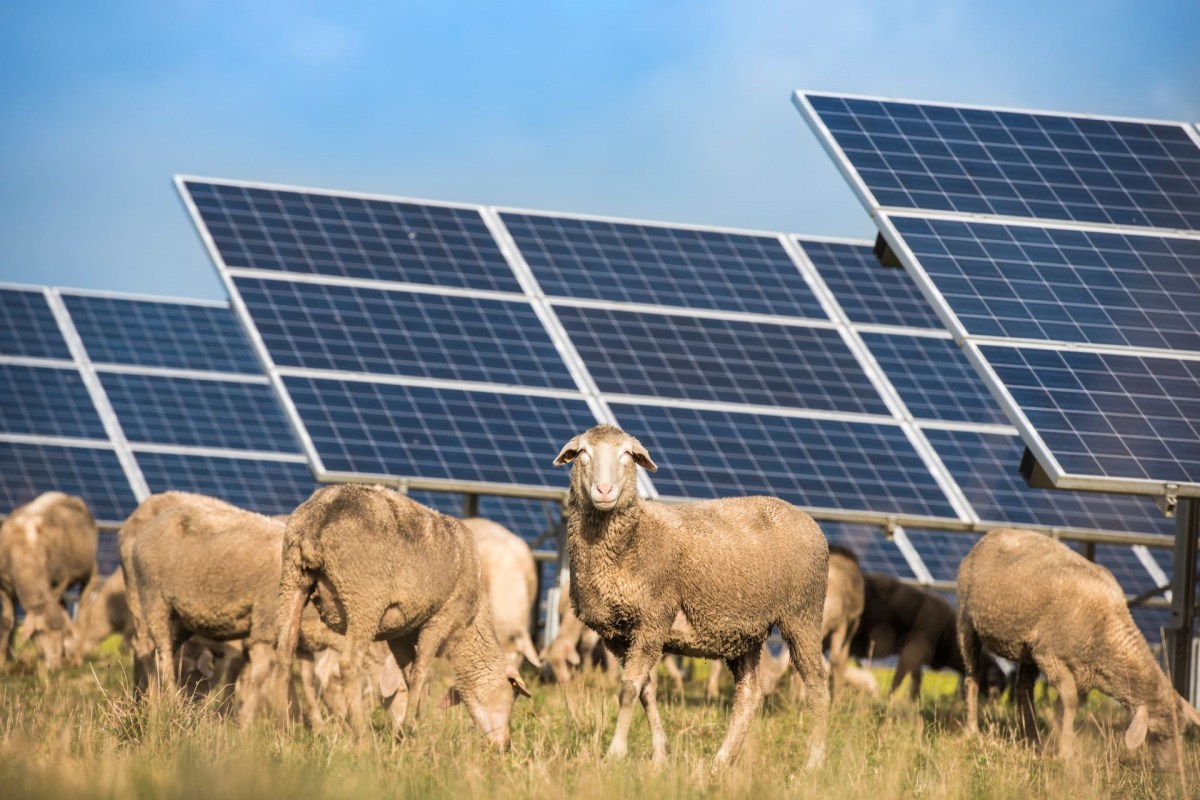
Since starting to deliver electricity in February 2024, the solar array has remained mostly out of public view, set back from a railroad line. The property is still serving another purpose as well, with a local shepherd using the ground under the panels for sheep grazing.
In spring, Gov. Abigail Spanberger signed two measures requiring Virginia's largest utilities to expand their community-solar offerings. Under those laws, Dominion Energy must open up 525 additional megawatts, while Appalachian Power is required to add 100 megawatts and fix its billing practices, according to Canary Media.
Going solar, whether through community schemes or otherwise, is one of the best ways to lower bills and save money.
If you don't have enough land to host community solar panels but want to install them on your home, EnergySage can put you on the right path. Its marketplace is built to help homeowners make informed decisions about clean energy upgrades, such as solar panels, and can find the best setup for your space. Its free tools can get you quick solar installation estimates and compare quotes from vetted installers.
Save $10,000 on solar panels without even sharing your phone number Want to go solar but not sure who to trust? EnergySage has your back with free and transparent quotes from fully vetted providers that can help you save as much as $10k on installation. To get started, just answer a few questions about your home — no phone number required. Within a day or two, EnergySage will email you the best local options for your needs, and their expert advisers can help you compare quotes and pick a winner. |

Why does it matter?
People who rent, have roofs that aren't ideal for solar, or can't afford their own installation can still participate in solar through community programs. Instead of installing panels at home, they enroll in a nearby project.
High electricity bills continue to put pressure on household budgets. Canary Media noted that Brandon Smithwood, Dimension Energy's vice president of policy, said expanding shared solar "reduces both near-term and long-term energy costs that benefit all ratepayers" — not just subscribers.
Virginia can add these projects relatively quickly as electricity demand grows. Canary Media reported that across the United States, community solar generally cuts bills by about 5% to 15% and can also help utilities avoid some costly power and grid expansions.
Some neighbors objected at first, but the agreement is working out for everyone. For the Aults, it contributes to their retirement funds and keeps that portion of their land in productive use.
More From EnergySage
💡Go deep on the latest news and trends shaping the residential solar landscape

EnergySage's mapping tool can help you see the average cost of a home solar system in your state, along with the incentives available where you live to ensure you're maximizing all potential savings.
Adding battery storage to a solar setup is one of the best ways to keep your home powered during outages. If you're interested in home batteries, EnergySage's backup energy resources can help you compare storage options, learn about available incentives, and get competitive installation estimates.
What's being done?
Virginia has already shown a strong appetite for community solar. According to Canary Media, Dominion's initial 200-megawatt program reaches many thousands of customers through 52 projects, and Appalachian Power's offering filled beyond available capacity not long after it began.
State leaders have also lowered the program's minimum monthly bill, a charge meant to ensure utilities still bring in some revenue. Supporters have said the change could open the program to more customers without wiping out the savings.
Steve Ault said the solar array "has been such a win-win." For Chris Ault, one benefit stands out: "The energy we generate here serves low-income [households]. … I really like that."

Get TCD's free newsletters for easy tips, smart advice, and a chance to earn $5,000 toward home upgrades. To see more stories like this one, change your Google preferences here.






