


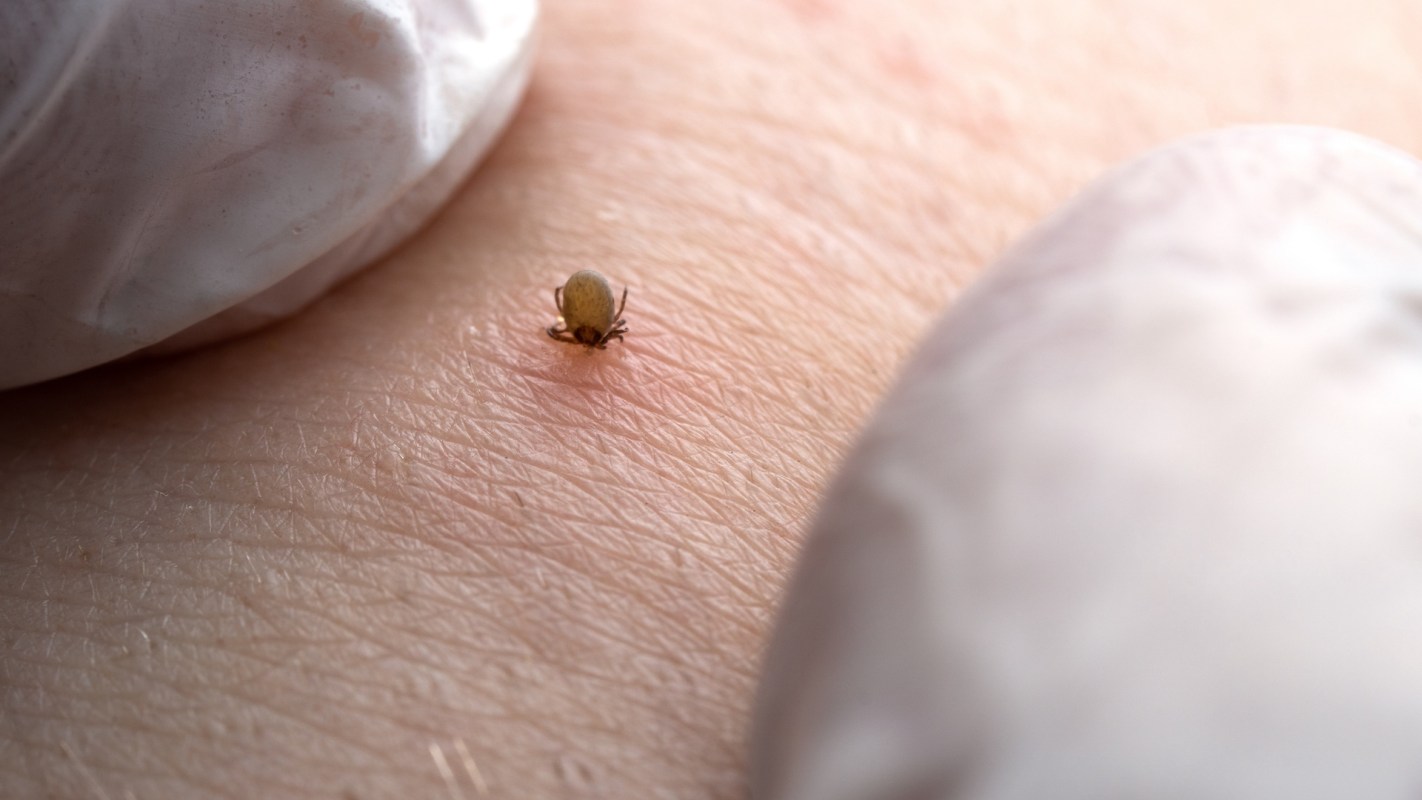
A heavy tick season appears to be arriving fast. Health officials say emergency department visits for tick bites have climbed to their highest level for this stage of the year since 2017, fueling concern about illnesses beyond Lyme disease, as VCU Health News detailed.
What's happening?
Rising heat and humidity in many parts of the United States are reportedly creating conditions that are driving up tick activity. Accordingly, CDC figures show weekly emergency room visits tied to tick bites are now at their highest point for this time of year since 2017.
Lyme disease is still the most common tick-borne illness in the United States, with about 476,000 diagnoses each year. It is far from the only concern, though. VCU Health News noted that babesiosis (which can cause flu-like symptoms and life-threatening illness) is becoming more common, and alpha-gal syndrome, a red meat allergy caused by tick bites, is also rising sharply.
"Tick populations across the United States are both increasing in density and spreading to new environments," VCU's Richard T. Marconi, a tick expert, told the outlet. "While public awareness for tick-borne diseases like Lyme disease has grown, we need to be more cognizant of the other tick-borne pathogens that adversely impact our health."
Marconi singled out three East Coast ticks for special attention: blacklegged ticks, American dog ticks, and lone star ticks. Together, he told VCU Health News, those species can spread anaplasmosis, babesiosis, ehrlichiosis, Rocky Mountain spotted fever, tularemia, Powassan virus disease, and alpha-gal syndrome.
Why does it matter?
The earliest signs of many tick-borne illnesses can be difficult to identify. VCU Health News reports that symptoms often overlap with other infections, including fatigue, chills, fever, mild aches, and a general sense of feeling unwell.
TCD Picks » Quince Spotlight
💡These best-sellers from Quince deliver affordable, sustainable luxury for all




When those symptoms are vague, diagnosis and treatment can be delayed.
Lyme disease may cause a bull's-eye rash, and Rocky Mountain spotted fever can produce a rash that begins at the wrists and ankles. But other tick-borne diseases may not have such obvious signals.
VCU Health News reports that some bacterial tick-borne infections can be treated with antibiotics when caught early. Without treatment, though, they may lead to chronic pain, arthritis, neurological problems, brain fog, or serious complications affecting organs.
Marconi also told the outlet that Rocky Mountain spotted fever and tularemia can become life-threatening if care is not given quickly.
Alpha-gal syndrome presents a different type of threat. Instead of being a bacterial illness, it is an immune response to a sugar molecule transmitted through lone star tick bites, and it can trigger severe allergic reactions after someone eats red meat, dairy, or gelatin.
What can I do?
A tick that is only crawling on you probably has not bitten yet. If it has attached and started feeding, however, experts say the best response is to act quickly and stay calm.
Marconi advises removing an attached tick carefully with fine tweezers and then storing it in a re-sealable plastic bag. Watching the bite site and noting whether the tick looks engorged may also help gauge risk, since VCU Health News explains that ticks usually need to feed for a period of time before transmitting an infection.
VCU Health News advises checking with a health care provider if you develop a rash, start feeling sick, or have extended flu-like symptoms.
There might be help on the way for detection and treatment.
As outlet noted, Marconi's lab is working on a human Lyme disease vaccine and on faster, more accurate testing tools for Lyme disease, babesiosis, and other tick-borne illnesses.

Get TCD's free newsletters for easy tips, smart advice, and a chance to earn $5,000 toward home upgrades. To see more stories like this one, change your Google preferences here.






