


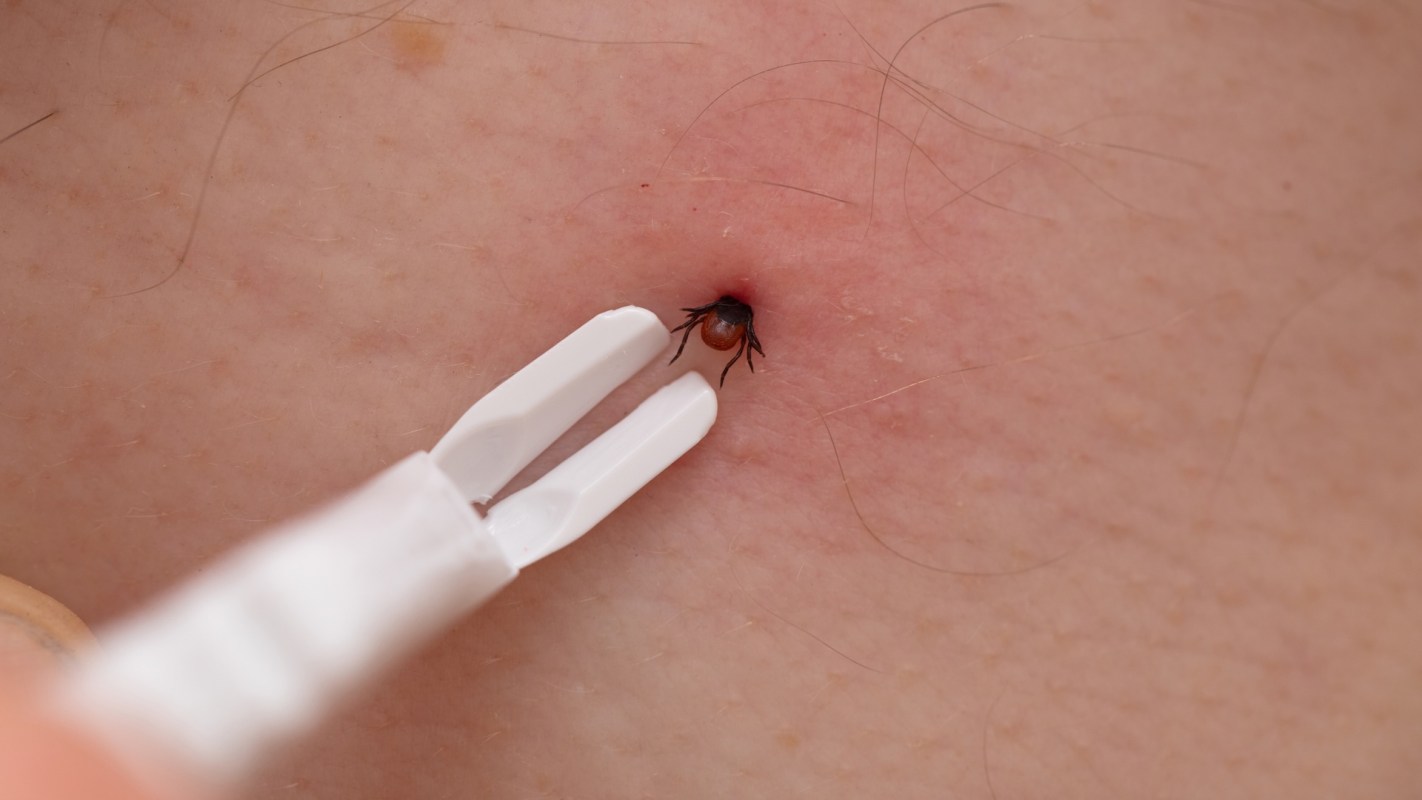
Tick activity is surging this spring, and health experts across the United States are urging people to take extra precautions outdoors.
The Johns Hopkins Bloomberg School of Public Health shared data from the Centers for Disease Control and Prevention that showed emergency department visits for tick bites in April 2026 were more than 25% higher than in April 2025.
The CDC noted in an April 23 release that tick-related ER visits had reached their highest weekly rates "for this time of year" since 2017 in all regions except the South Central United States.
"Unfortunately, it seems that we're in for a very bad year," said Nicole Baumgarth of Johns Hopkins Bloomberg School of Public Health, per WSAW. "And of course, these numbers are only the tip of an iceberg."
The increase is not limited to one state or region. Specialists across the country are reporting rising tick activity as populations grow following milder winters.
When winters are not cold enough to significantly reduce tick populations, more ticks survive into spring and early summer, increasing the likelihood of bites during everyday outdoor activities, such as hiking, gardening, walking pets, or spending time in wooded areas and tall grass.
TCD Picks » Quince Spotlight
💡These best-sellers from Quince deliver affordable, sustainable luxury for all




The rise in tick-related ER visits reflects a broader public health concern. Growing tick populations can increase seasonal health risks, place added strain on healthcare systems, and force families to make prevention a routine part of outdoor activities.
The biggest concern is the risk of tick-borne illness, especially Lyme disease, which is the most common tick-borne disease in the United States. Around 476,000 people are diagnosed and treated for Lyme disease each year, per the CDC.
Early symptoms may include fever, headache, fatigue, muscle stiffness, and rashes. Without treatment, Lyme disease can become far more serious, potentially leading to facial paralysis, irregular heartbeat, or arthritis.
One challenge is that tick bites are often easy to miss. Ticks can be extremely small, and symptoms do not always appear immediately, making prevention and early detection especially important during periods of elevated activity.
Public health agencies are encouraging people to take simple, evidence-based steps to reduce the risk of bites and disease.
Performing a thorough tick check after spending time outdoors is particularly important. Checking skin, clothing, gear, and pets can help people spot ticks before they remain attached for too long. Removing an attached tick within 24 hours can reduce the risk of disease transmission.
Another effective strategy is cultivating a garden with herbs and plants known to repel ticks. Many aromatic herbs, such as oregano, basil, and lavender, have natural tick-repellent properties and can help create a safer outdoor environment.
For now, outdoor activities remain worthwhile, but this spring may require more caution than usual. Taking a few preventive steps could make a meaningful difference as tick populations continue to rise.

Get TCD's free newsletters for easy tips, smart advice, and a chance to earn $5,000 toward home upgrades. To see more stories like this one, change your Google preferences here.







