


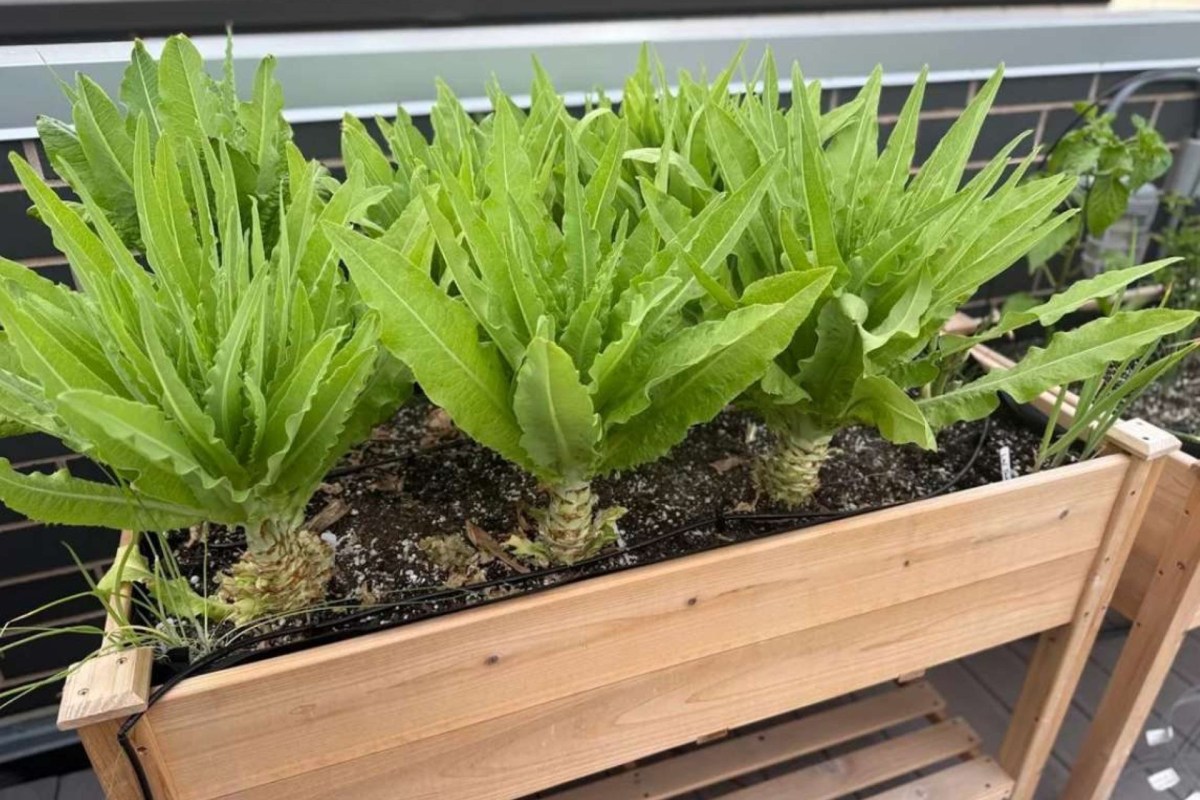
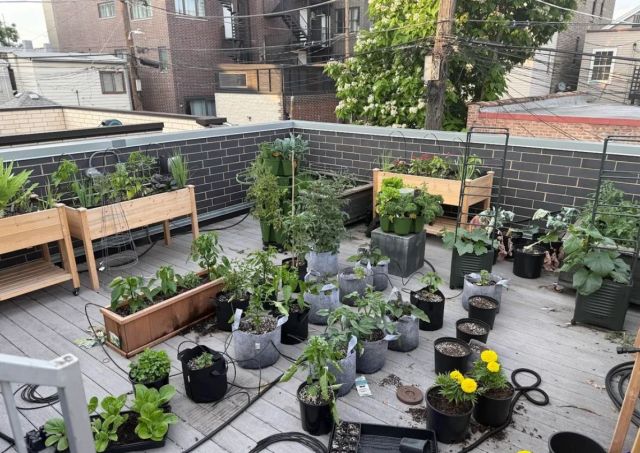
In downtown Chicago, one gardener is proving that a roof can double as a productive place to grow food.
Using raised beds, grow bags, and automated drip watering, the Illinois resident pulled in a strong spring harvest before replanting for summer.
What happened?
The gardener posted photos on the Reddit forum r/vegetablegardening showing a container garden thriving atop a city building.
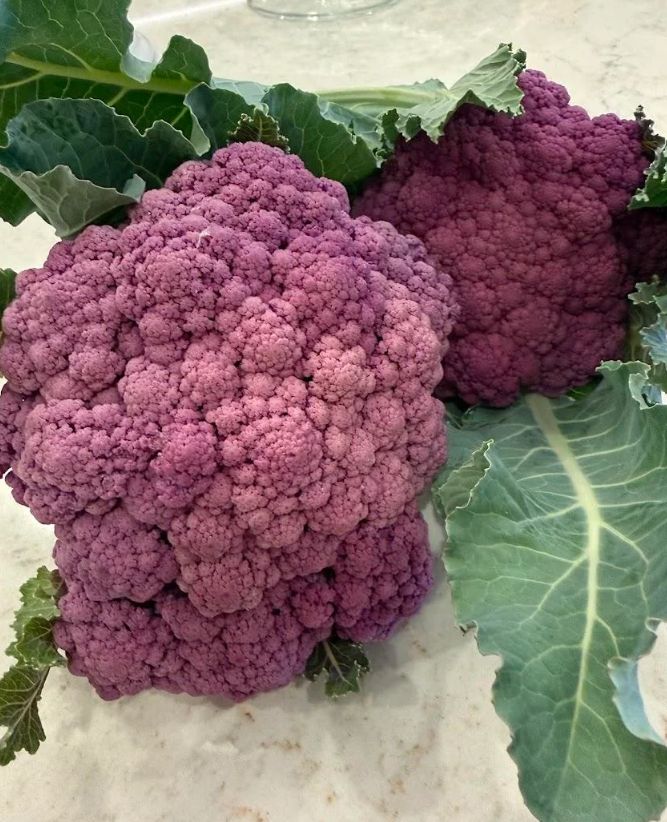
The spring lineup included bok choy, napa cabbage, lettuce, kale, broccoli, celtuce, and cauliflower. As temperatures warm up, the gardener replaces those greens with summer crops such as tomatoes, cucumbers, peppers, eggplant, long beans, and winter melon.
According to the Redditor, the rooftop raised plot has not required much daily effort because drip irrigation connected to a smart timer has made it "pretty hands off."
The post drew praise from other Reddit users. One commented, "Impressive!" and another wrote, "Your bok choy is amazing."
TCD Picks » Quince Spotlight
💡These best-sellers from Quince deliver affordable, sustainable luxury for all




Why does it matter?
Examples like this show that you don't need a backyard in order to grow meaningful amounts of food. Rooftops, balconies, patios, and other small spaces can all support container gardens that produce fresh vegetables for much of the year.
Growing food at home can help reduce grocery costs, especially for expensive produce such as leafy greens, herbs, and specialty vegetables. It can also provide fresher, better-tasting food harvested at peak ripeness rather than after days in transit and storage.
Gardening can also support overall well-being. It gets people outside, encourages movement, and has been associated with lower stress and improved mental health. For city residents in particular, caring for a garden can offer a calming routine and a stronger connection to the food they eat.
What can I do?
For anyone inspired by this setup, the good news is that container gardening requires only pots, quality soil, and vegetables suited to your climate.
By using drip irrigation and timers, people can remove some of the guesswork, support steady growth, and help prevent water waste from overwatering. That "hands off" aspect may be especially appealing for apartment dwellers or first-time gardeners who are worried about upkeep.
Another useful strategy for small gardens is to change out crops with the seasons.
Cooler-weather plants like lettuce, kale, bok choy, and broccoli can be grown before the hottest part of summer, then replaced by warm-season choices such as tomatoes, peppers, beans, and cucumbers. Rotating plantings this way can help stretch the harvest and use limited space efficiently.

Get TCD's free newsletters for easy tips, smart advice, and a chance to earn $5,000 toward home upgrades. To see more stories like this one, change your Google preferences here.






