


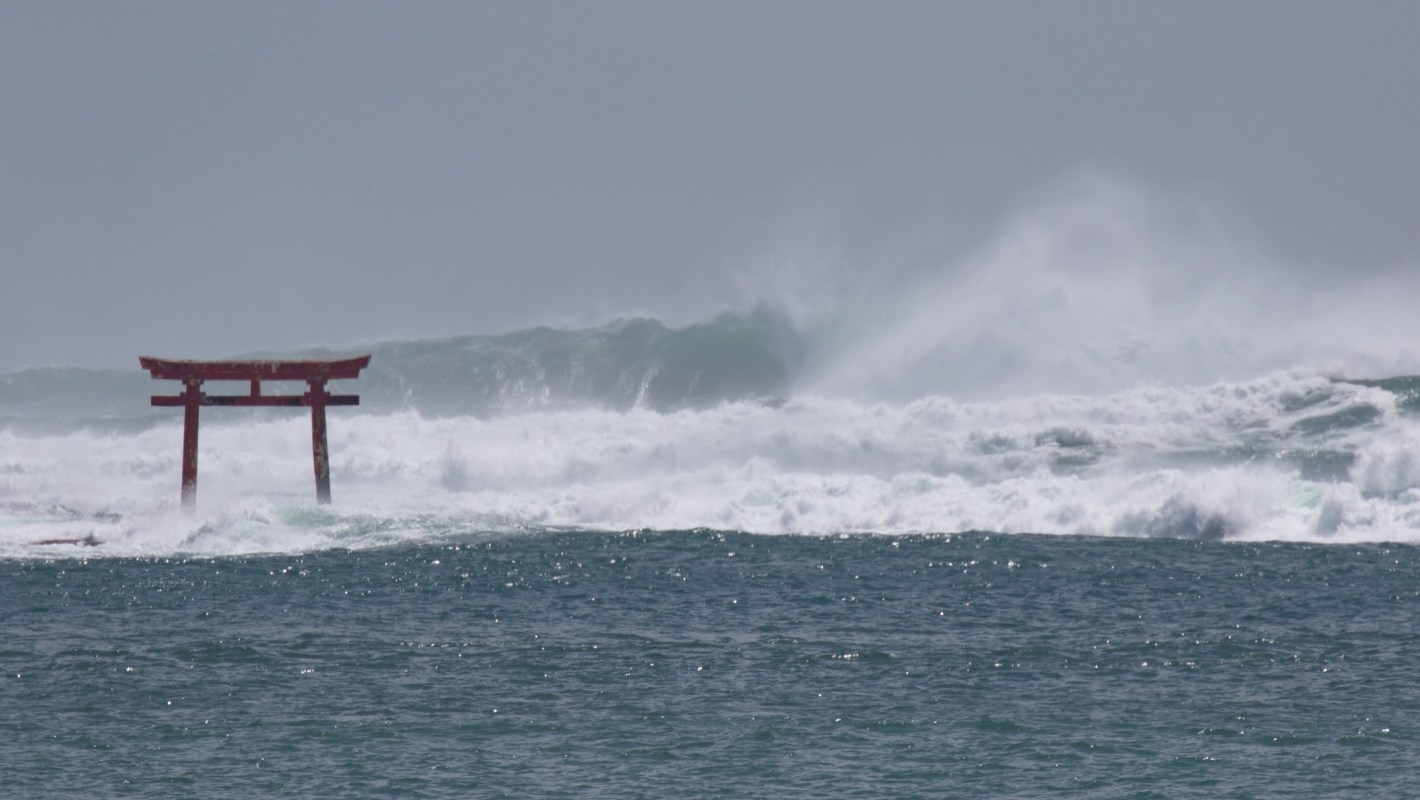
A formal El Niño declaration has now emerged from Japan's meteorological agency, ahead of any other major forecasting authority, Gizmodo reported.
The timing matters because forecasters increasingly think the pattern may intensify rapidly and could end up among the strongest El Niño episodes ever recorded.
What happened?
Japan's Meteorological Agency said unusually warm Pacific waters have already tipped conditions into the El Niño range, and it expects that shift to bring higher-than-normal temperatures to Japan, according to a statement translated by Gizmodo.
In the U.S., the National Oceanic and Atmospheric Administration said Monday there was an 82% chance El Niño would emerge in June, even though an official American declaration may not come for several more weeks.
The NOAA uses a stricter threshold for making that call. It looks for temperatures in the equatorial Pacific to stay, or be forecast to stay, at least 0.9 degrees Fahrenheit above normal across five overlapping three-month periods.
Several classic atmospheric clues are appearing already, even without a formal U.S. call.
TCD Picks » Quince Spotlight
💡These best-sellers from Quince deliver affordable, sustainable luxury for all




An unusually busy early period in the eastern Pacific is part of that picture: Amanda, Boris, and Cristina were all named within 10 days. Forecasters are also watching changes in cloud cover, rainfall, and trade winds that suggest the Pacific system may already be shifting.
Why does it matter?
Expectations for this event have strengthened sharply in recent weeks.
Gizmodo cited new projections from the European Centre for Medium-Range Weather Forecasts that show Pacific sea surface temperatures potentially climbing to about 6.8 degrees Fahrenheit above normal by December, a level that could rank this El Niño among the strongest ever seen.
A powerful El Niño can reshape global weather patterns, increasing the likelihood of heat waves, heavy rain, flooding, drought, crop losses, and disruptions to fisheries.
Dangerous heat can worsen existing health problems, floodwaters can threaten community safety, and weather-driven food shortages can push up grocery prices.
For families already living paycheck to paycheck, even a short spell of extreme weather can mean higher bills, lost income, and long recovery costs.
What's being done?
Weather agencies are ramping up monitoring efforts, updating seasonal outlooks, and tracking changes in winds, rainfall, and ocean temperatures that could help confirm how quickly El Niño is strengthening.
Earlier warnings give cities, farmers, and emergency managers more time to prepare for heat, flooding, and supply disruptions.
Japan's early declaration does not guarantee a worst-case outcome, but it does show how quickly conditions are shifting. With multiple agencies now seeing classic El Niño signals, the rest of the world may not be far behind in making the same call.

Get TCD's free newsletters for easy tips, smart advice, and a chance to earn $5,000 toward home upgrades. To see more stories like this one, change your Google preferences here.






