


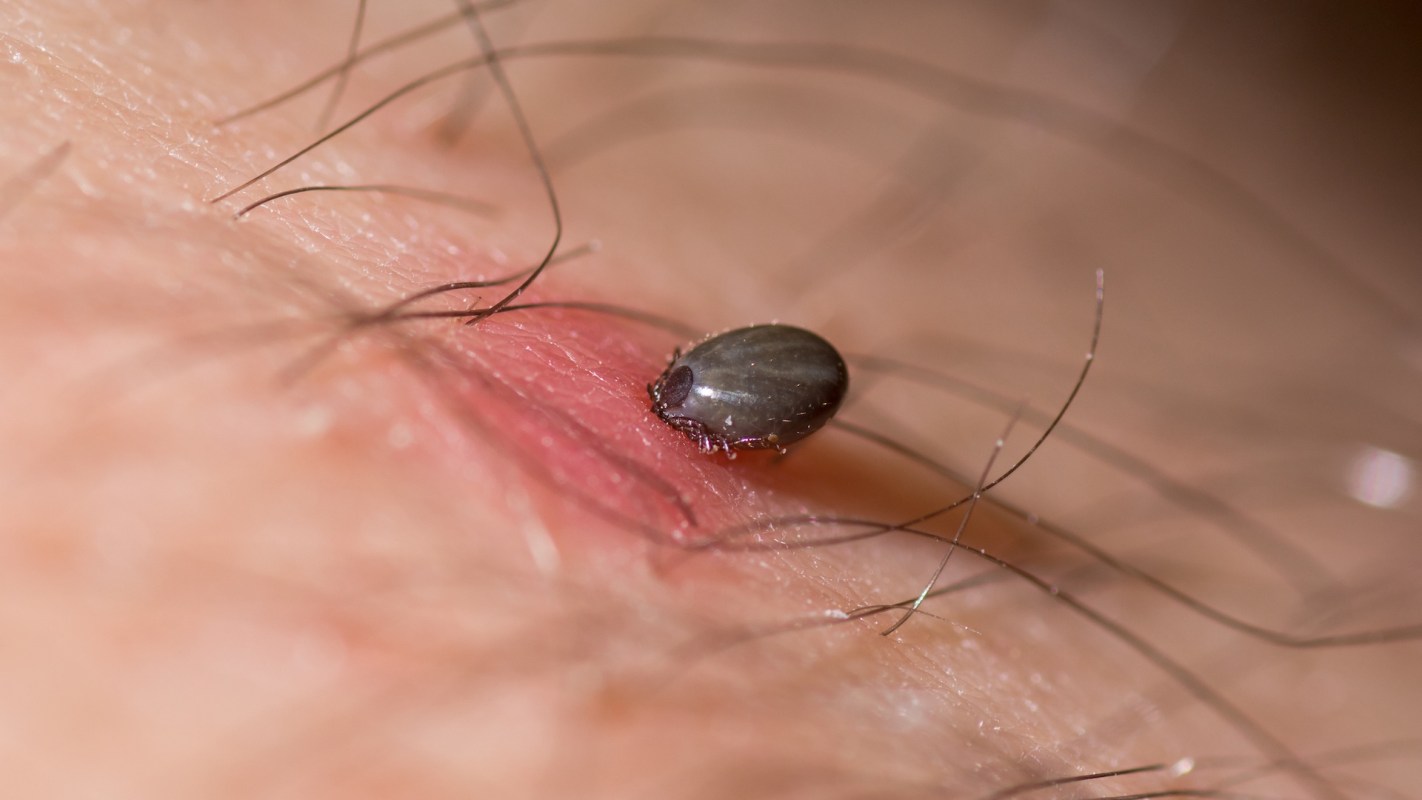
The makings of a rough tick season in the Philadelphia area may have been afoot since winter. Experts told The Philadelphia Inquirer that weeks of snow cover might have helped more ticks survive into warmer months.
That could mean more bites and subsequent tick-borne illnesses for anyone spending time in yards, parks, trails, and other grassy or wooded areas this summer.
What's happening?
Some specialists think the region's long-lasting snow cover may have worked in ticks' favor, according to the Inquirer. The Philadelphia area saw about 30 inches of snow that stayed on the ground for weeks, and the city paper noted that the snow may have acted like insulation, helping ticks make it through extended cold periods.
"Snow acts as an insulator, so it's protecting them," Erika Machtinger, an associate entomology professor at Pennsylvania State University, told The Inquirer.
Pennsylvania's reported Lyme disease numbers climbed sharply in recent years, the outlet noted. State health department data show 2,900 cases in 2021, compared with 18,747 last year and 4,240 cases recorded so far this year.
The concern extends beyond Pennsylvania. The Inquirer noted that, in late April, the Centers for Disease Control and Prevention said emergency room visits for tick bites were above normal in much of the country and, outside the south-central U.S., higher at this point in the year than in any season since 2017.
TCD Picks » Quince Spotlight
💡These best-sellers from Quince deliver affordable, sustainable luxury for all




Even so, Machtinger told The Inquirer it is hard to know for sure whether tick populations are actually higher this year. Their numbers can differ widely from one place to another, and increases in outdoor activity or public awareness could also be contributing to more reports and hospital visits.
Why does it matter?
Tick exposure can happen in backyards, green spaces, and even suburban areas where deer are common. And a rise in extreme weather — from insulating snowfall in some places to milder winters in others — may be helping these vectors of disease to thrive.
Lyme disease is the best-known risk, but officials are also watching out for alpha-gal syndrome. The tick-spurred allergy, commonly known as AGS, is associated with red meat and other mammalian products, and reactions can range from mild to life-threatening.
Pennsylvania has launched a new effort to track AGS, according to The Inquirer, and state health officials know of roughly 600 voluntarily reported cases from the last two years.
There are risks for animals as well. Dogs and horses can contract Lyme disease and anaplasmosis, while Asian longhorned ticks can spread Theileria orientalis to cattle, potentially causing severe illness and death.
Machtinger told the city paper that deer may be a major reason more people are running into ticks. Development can also push deer closer to neighborhoods, increasing overlap among people, pets, and tick habitat.
What can I do?
If you're going into dense vegetation, wear long pants and closed-toe shoes and check for ticks afterward. Using approved repellents and treating clothing with permethrin can also help lower the risk of bites.
Closer to home, trimming tall grass and clearing away leaf litter and brush can make yards less hospitable to ticks. Pet owners should also check animals regularly after time outdoors and remove any ticks quickly.
More emergency room visits do not necessarily mean tick populations are surging everywhere. Machtinger told The Inquirer that local ecology matters, and conditions can differ dramatically from one county to the next.
While the expected surge in numbers is concerning, taking smart preventative steps and seeking help if necessary can help stave off a serious tick-borne illness.

Get TCD's free newsletters for easy tips, smart advice, and a chance to earn $5,000 toward home upgrades. To see more stories like this one, change your Google preferences here.






