


What appears to be untouched wilderness may actually be a carefully designed food system.
One content creator is revisiting an old idea: Some landscapes European explorers and colonists treated as wild were actually Indigenous food forests built so well that the plants themselves largely carried the work of maintaining them.
What's happening?
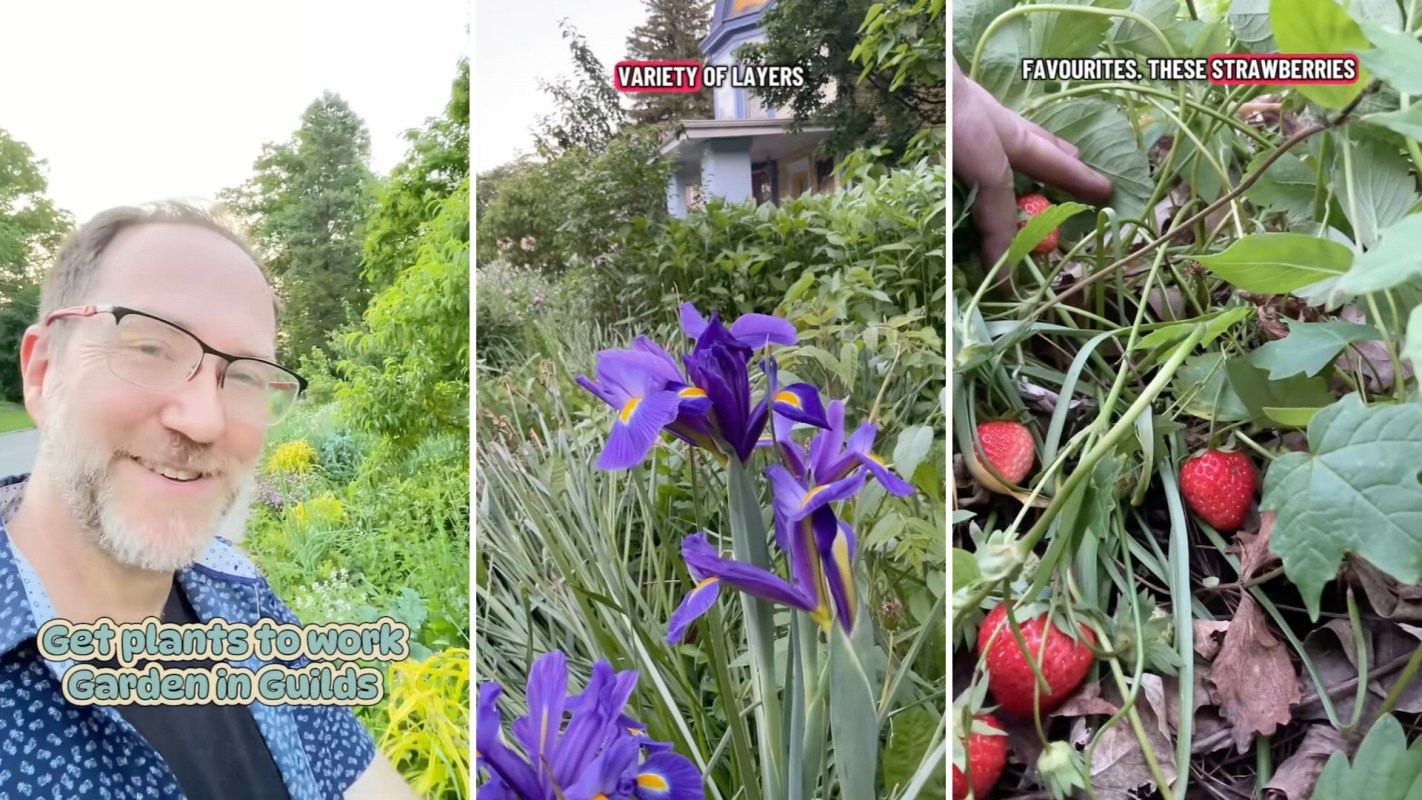
In a recent video, creator and gardener Mike Hoag (@transformativeadventures) walks viewers through a mature, multi-layered food forest filled with fruit trees, berry bushes, and edible ground crops, showing how a well-designed garden can mimic a natural ecosystem.
The creator frames the concept through a historical lens, explaining: "Keep in mind, a significantly complex enough technology will look like magic. An even more complex one will look like nature."
@transformativeadventures #garden #foodforest #homesteading #growyourownfood #creatorsearchinsights ♬ original sound - Mike Hoag
Rather than depending on constant human labor, the "warus," or permaculture guilds, shown in the video are composed of different plants taking on different jobs. Alliums act as pest deterrents, strawberries form a living weed barrier, native mint brings in beneficial insects, and nitrogen-fixing plants nourish the soil.
By arranging vegetation in layers, the system also captures more sunlight, holds moisture, and boosts yields.
TCD Picks » Quince Spotlight
💡These best-sellers from Quince deliver affordable, sustainable luxury for all




The result, as the creator puts it, is "a garden that's easier and more productive than you ever thought possible."
Why does it matter?
A productive garden does not have to rely on nonstop digging, spraying, and weeding. Pairing plants that complement one another can reduce costs and ongoing upkeep while still yielding a mix of fruits, herbs, and vegetables.
Home gardening and community gardening can help lower grocery bills, especially for expensive fresh produce and herbs. Food grown just steps from the kitchen or around the corner is also often fresher and better tasting than store-bought produce that may have traveled long distances. Gardening can also support mental and physical health by getting people outside, moving their bodies, socializing, and building routines that reduce stress.
It can also offer a way to cut back on chemical use. Biodiverse gardens can naturally manage some pests and weeds while improving soil health and supporting pollinators.
One commenter wrote, "This is the methodology I'm following with my own garden."
Another said, "I started my journey towards a food forest this year, and I'm very excited to start producing passive food in the coming years."
How can you build a food forest?
The easiest first step is to start small. Instead of redesigning an entire yard, gardeners can build one simple guild around a fruit tree or raised bed by combining a few useful plant roles: an edible crop, a pest-repelling plant, a weed-suppressing ground cover, and a flower that attracts beneficial insects.
It also helps to focus on plants suited to your region, especially native or well-adapted varieties. That can make gardens easier to maintain and more resilient during heat, drought, and heavy rain.
The learning curve can feel intimidating, but starting with even a few well-matched plants can make a garden easier to manage.

Get TCD's free newsletters for easy tips, smart advice, and a chance to earn $5,000 toward home upgrades. To see more stories like this one, change your Google preferences here.






