


You don't need to overhaul your entire home to start reducing PFAS exposure. For many families, it can begin with a few simple swaps in the products they already use every day.
What's happening?
An educational carousel posted on the Environmental Working Group's EWG Verified Instagram account (@ewgverified) highlighted four everyday product categories where PFAS, aka "forever chemicals," may still appear.
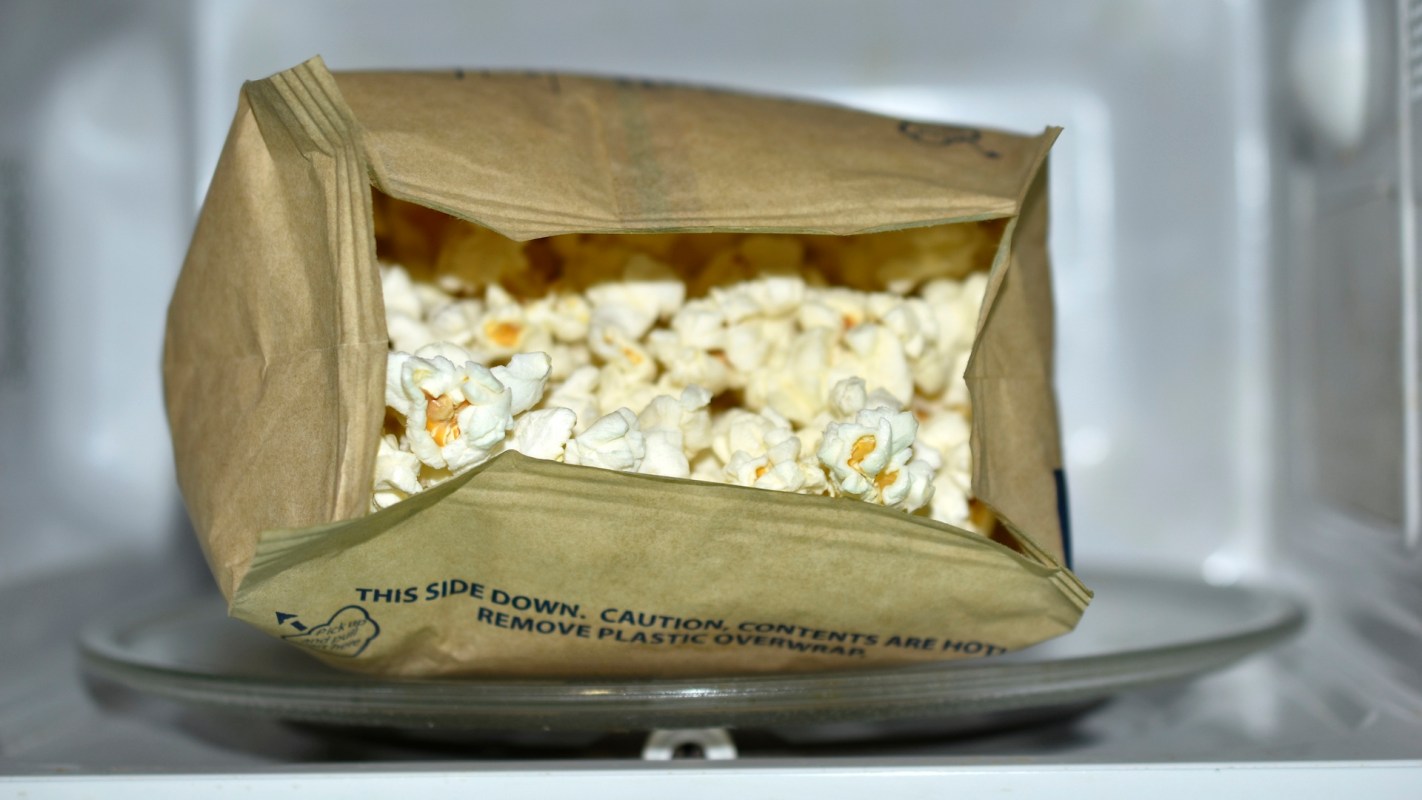
Those include cookware, food packaging, personal care items, and outdoor gear. Items such as Teflon-coated cookware, microwave popcorn bags and fast-food wrappers, waterproof mascara and dental floss, and waterproof jackets were identified as possible exposure pathways.
The post pairs each category with alternatives and frames the message as a practical reminder that lower-exposure choices are available when it's time to replace everyday items.
That approach reflects a broader shift in how PFAS are being discussed. Instead of treating the chemicals as an invisible or unavoidable problem, advocates are increasingly emphasizing product awareness and clearer consumer options.
Why does it matter?
PFAS are linked to public health concerns, and their nickname reflects how persistent they can be. As the EPA explains, there are a wide range of potential dangers after widespread exposure.
TCD Picks » Quince Spotlight
💡These best-sellers from Quince deliver affordable, sustainable luxury for all




Those concerns include detrimental impact of reproduction, early development, increased cancer risk and more, according to the agency. Their ubiquity is definitely a big part of the problem.
Many people may think first of industrial pollution or contaminated water, but the products flagged here are items that can sit in a kitchen cabinet, makeup bag, or closet.
The carousel points to the familiar tradeoff that occurs because convenience often comes with costs that aren't obvious at the point of purchase. A wrapper, coating, or waterproof finish may carry more significance than it first appears.
What can I do?
The post suggests starting with the products used most often. The categories it singles out include nonstick pans, packaged convenience foods, waterproof cosmetics, and water-resistant outerwear.
The post points consumers toward EWG-Verified alternatives, offering a shortcut for anyone trying to reduce some of the guesswork.
The goal is to lower exposure where possible, not to chase perfection. Small changes across a handful of common products can add up.

Get TCD's free newsletters for easy tips, smart advice, and a chance to earn $5,000 toward home upgrades. To see more stories like this one, change your Google preferences here.






