


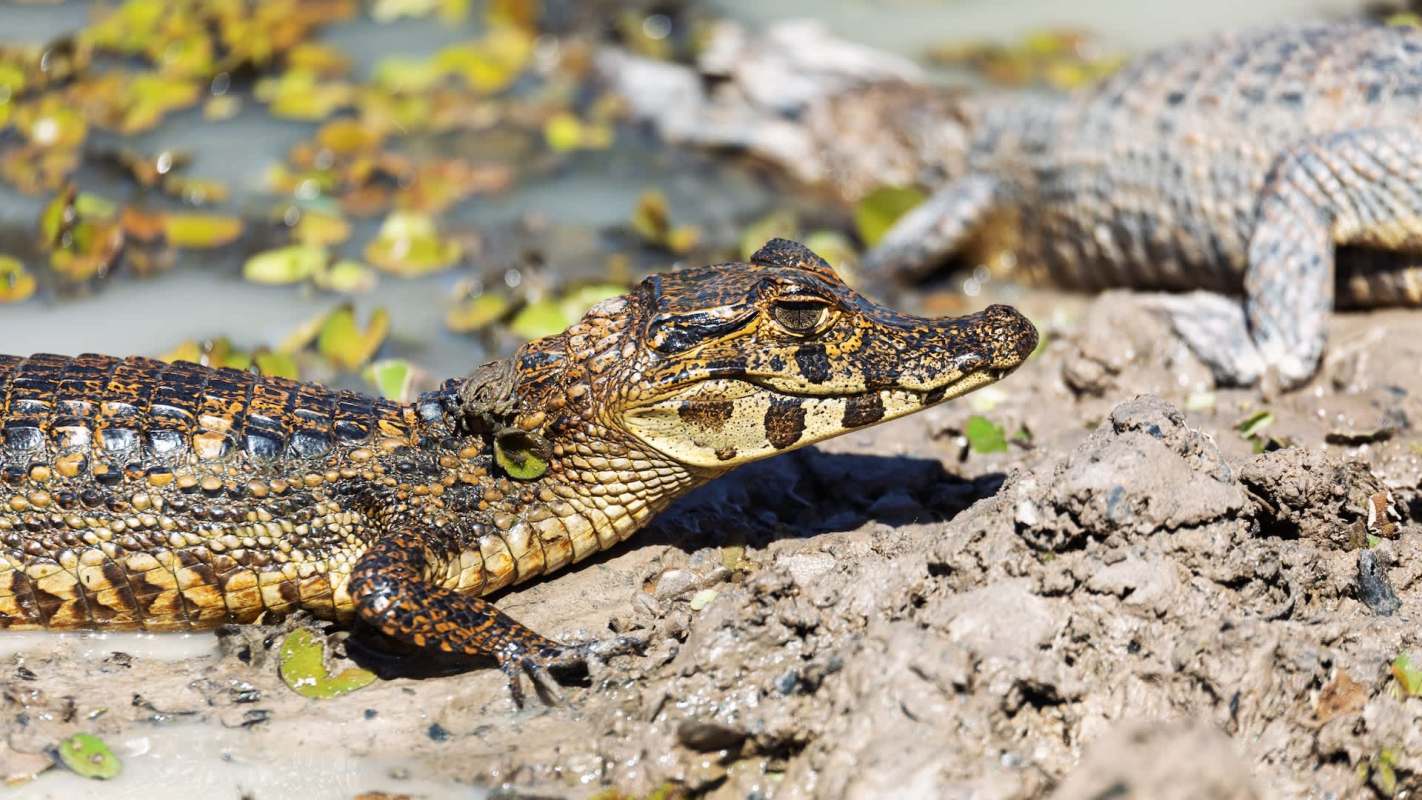
South Florida's reptile story is taking a new turn: Alligators and crocodiles aren't the only large residents anymore.
Fresh attention is being paid to invasive spectacled caimans, which have been quietly breeding in the region for decades.
That attention follows a report examining how this lesser-known predator could create new challenges for wildlife managers, restoration projects, and communities near canals and wetlands, as Blue Water Healthy Living detailed.
According to the publication, an April 2026 report from the Department of Wildlife Ecology and Conservation and the University of Florida Institute of Food and Agricultural Services Fort Lauderdale Research and Education Center labeled spectacled caimans an invasive species "of highest impact concern" in South Florida.
The reptile is native to Central and South America, but it entered the U.S. pet trade in the 1950s, and it has had established populations in Florida since the 1970s.
The species resembles a small crocodile, with a shorter, rounded snout and a ridge between the eyes that gives it its spectacled name.
TCD Picks » Quince Spotlight
💡These best-sellers from Quince deliver affordable, sustainable luxury for all




Though generally smaller than Florida's best-known reptilian residents, it is still a capable predator that can thrive in canals, ponds, ditches, marshes, and other human-altered waterways.
"There are now breeding populations in localized areas of Miami-Dade and Broward counties," Croc Docs told Blue Water Healthy Living, warning that caimans are already established near major Everglades restoration sites.
Researchers also noted that more than 18,000 spectacled caimans were imported directly into Florida between 1999 and 2018.
Spectacled caimans have many of the traits that make invasive species hard to contain. They eat a wide variety of prey, use many different habitats, and have few natural predators.
In South Florida, that could mean more competition for native alligators and crocodiles, along with added pressure on ecosystems already under strain.
When invasive predators spread through neighborhood canals and restoration corridors, agencies may have to spend more time and money on monitoring and removal instead of moving more quickly toward a healthier Everglades.
That can slow progress for nearby communities that depend on clean water, flood protection, and functioning wetlands.
Researchers also warned that restoration infrastructure itself — including ponds, canals, and marshes — may unintentionally create more suitable caiman habitat, especially where lower salinity makes those areas more hospitable.
In the report, researchers described the spectacled caiman as a "habitat and diet generalist," calling it a "prolific invader" that may be limited mainly by colder temperatures.
Florida wildlife officials have said the species is expected to remain mostly in South Florida because it cannot tolerate much cold.
The report warned that caimans could become "a widespread problem in the Everglades."
Researchers said the animals could limit gains for recovering crocodile populations while also posing a threat to alligators and Everglades National Park.

Get TCD's free newsletters for easy tips, smart advice, and a chance to earn $5,000 toward home upgrades. To see more stories like this one, change your Google preferences here.






