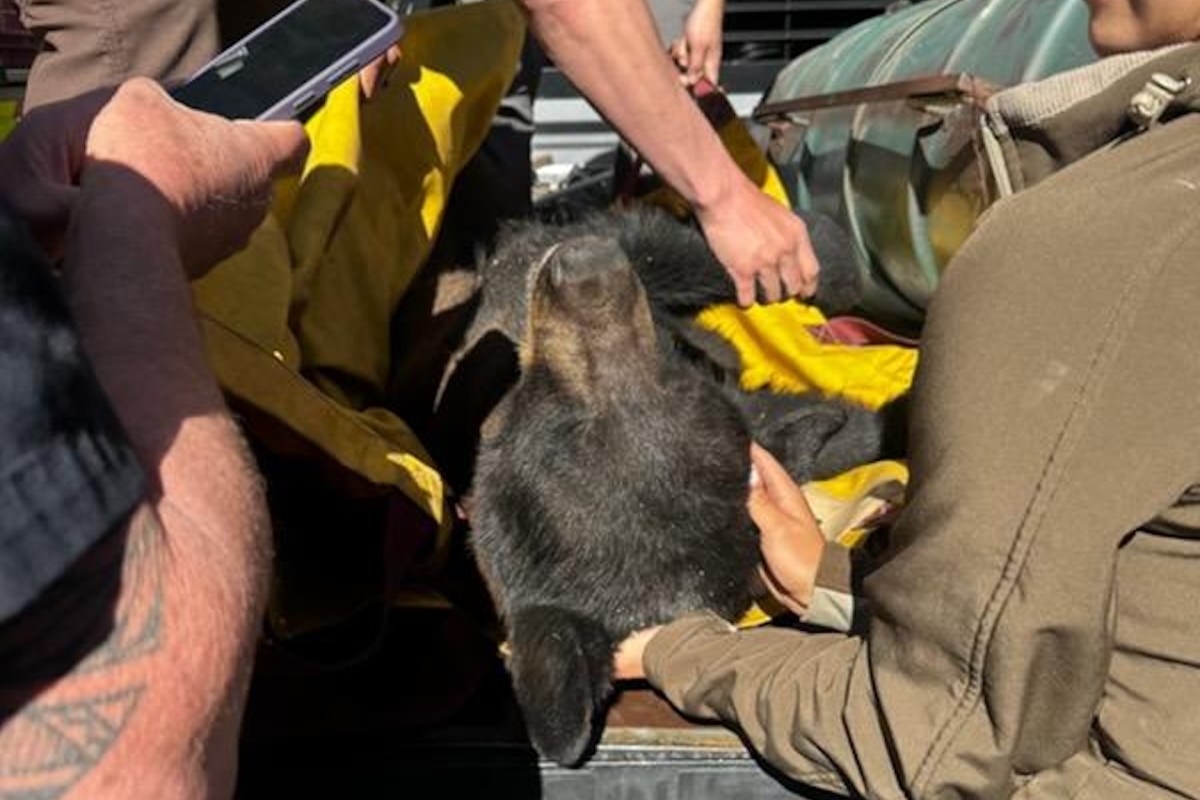
A young American black bear made an unexpected stop in a Park City, Utah, neighborhood early Thursday, climbing a tree in a residential area before wildlife crews stepped in to help.
According to KUTV, the bear was safely tranquilized and will now be relocated to a more suitable habitat away from homes and busy roadways.
The Park City Police Department said the young bear was discovered in a tree in the city's Prospector neighborhood on Thursday morning.
Wildlife officers and biologists responded alongside the Park City Fire District, which used a ladder truck to safely access the animal and assist with the relocation.
While the sight of a bear perched in a tree may seem unusual in a residential neighborhood, wildlife experts say encounters like this can become more common as human development expands into natural habitat.
Black bears are Utah's only bear species and typically live in forested mountain areas at elevations between roughly 7,000 and 10,000 feet.
TCD Picks » Good Store Spotlight
Get 10% off your next purchase with code TCD10




However, bears are highly mobile animals and will often travel beyond their usual range in search of food.
As neighborhoods grow closer to foothills and mountain habitats, bears can find themselves navigating streets, backyards, and residential developments in search of food.
Easy meals such as unsecured trash, pet food, bird feeders, and dirty barbecue grills can attract bears away from the wilderness and into populated areas.
These encounters can create risks for both people and wildlife.
TCD Picks » Quince Spotlight
💡These best-sellers from Quince deliver affordable, sustainable luxury for all




Bears that become accustomed to human food may return repeatedly to residential areas, increasing their chances of being struck by vehicles, injured, or eventually viewed as a public safety threat.
Residents, meanwhile, may face dangerous situations when large animals appear near homes, schools, parks, or walking paths.
Wild Aware Utah encourages residents, particularly those living near foothills and mountain communities, to secure garbage, clean outdoor grills, remove food attractants, and bring pets indoors overnight.
People spending time in bear country can also reduce the likelihood of negative encounters by staying alert, hiking in groups, and giving wildlife plenty of space.
If you encounter a bear, experts advise against approaching, feeding, or attempting to interact with it.
Instead, maintain a safe distance and contact local wildlife authorities if the animal appears to be in distress or lingering in a residential area.

Get TCD's free newsletters for easy tips, smart advice, and a chance to earn $5,000 toward home upgrades. To see more stories like this one, change your Google preferences here.