


A new option for end-of-life planning has arrived on the East Coast, and it could reshape how some families think about funerals.
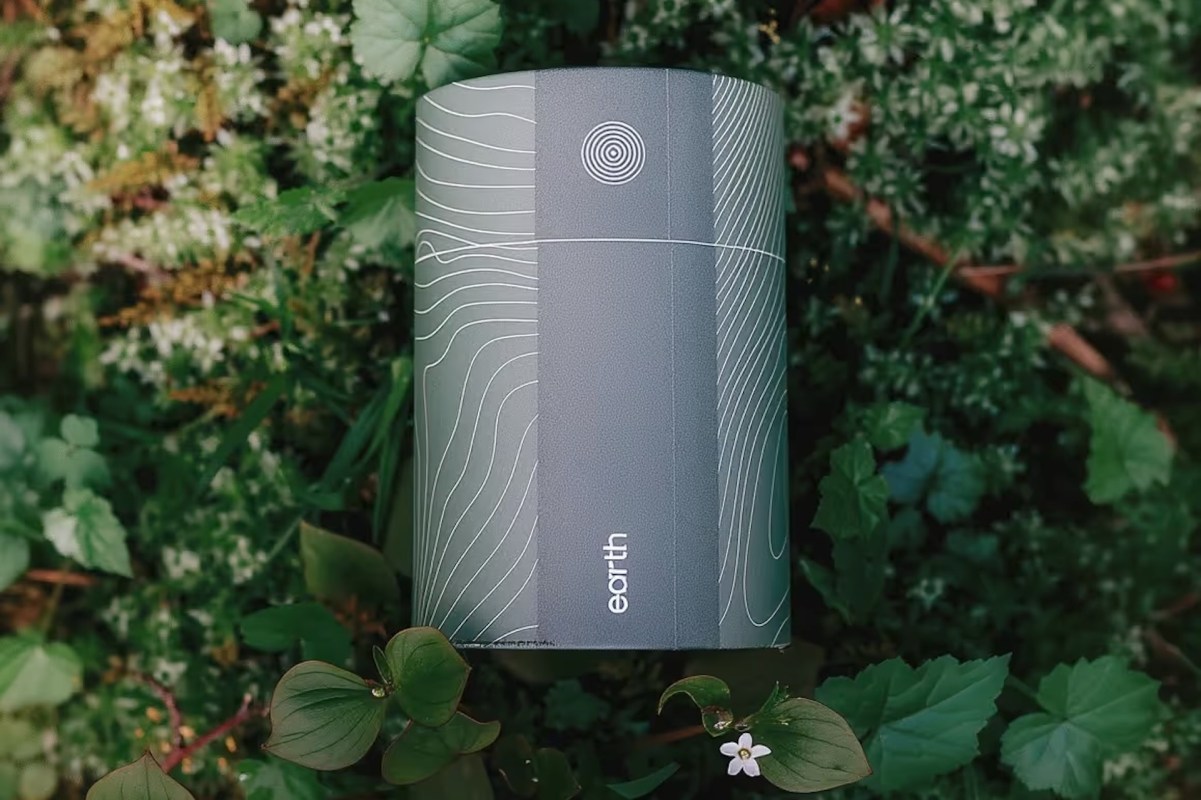
Earth Funeral has opened a human composting facility in Elkridge, Maryland, offering what it describes as a lower-impact alternative to burial and cremation.
WBAL-TV 11 News reported that the county is now home to the East Coast's first human composting facility. Earth Funeral said its new 37,000-square-foot site is the world's largest human composting facility and can process up to 2,000 remains each year.
The opening follows 2024 legislation from the Maryland General Assembly that permits the company to provide the service in the state. Families in the region no longer have to send loved ones' remains across the country to access the process.
That was previously the case for Stephen Spiese of Lancaster County, Pennsylvania, and Howard County Delegate Jessica Feldmark, who each had family members' remains sent to West Coast facilities before the Elkridge location opened. Feldmark told WBAL that having a closer option "would've been a whole lot easier."
Earth Funeral's process places remains in vessels with biodegradable shrouds, mulch, wood chips, and wildflowers. Under carefully controlled conditions, decomposition is accelerated, turning remains into nutrient-rich soil in about 30 days.
TCD Picks » Quince Spotlight
💡These best-sellers from Quince deliver affordable, sustainable luxury for all




Traditional funeral practices can carry a significant environmental footprint. Earth Funeral co-founder and CEO Tom Harries told WBAL that burial often relies on nondegradable wood, metal, concrete, and embalming chemicals, while cremation uses non-renewable resources and releases carbon dioxide.
The company says human composting can reduce those impacts while also addressing space concerns. Harries pointed to the challenge of land use in the United States, saying the country cannot continue to rely solely on burial as the population ages and deaths accumulate over the coming decades. Mushroom pods have also gained popularity as a more eco-friendly end-of-life option.
The cost could also put the service within reach for some households weighing funeral expenses. Earth Funeral said the full composting process typically costs between $5,000 and $6,000.
Earth Funeral is also working with funeral homes to receive remains, giving families a way to compare burial, cremation, and composting within existing funeral planning systems.
Families who choose the service can also decide what happens to the resulting soil. It can be donated to conservation projects or kept for personal use, giving loved ones flexibility in how they honor someone's memory.
Spiese said he used the soil created from his wife's remains to plant a butterfly bush, turning grief into a living tribute.
"Of all the things I've had to deal with in her absence, this is one of the aspects of it that I feel best about," Spiese said.
"It's a gentle, natural process that returns you to nature," Harries explained.

Get TCD's free newsletters for easy tips, smart advice, and a chance to earn $5,000 toward home upgrades. To see more stories like this one, change your Google preferences here.






