


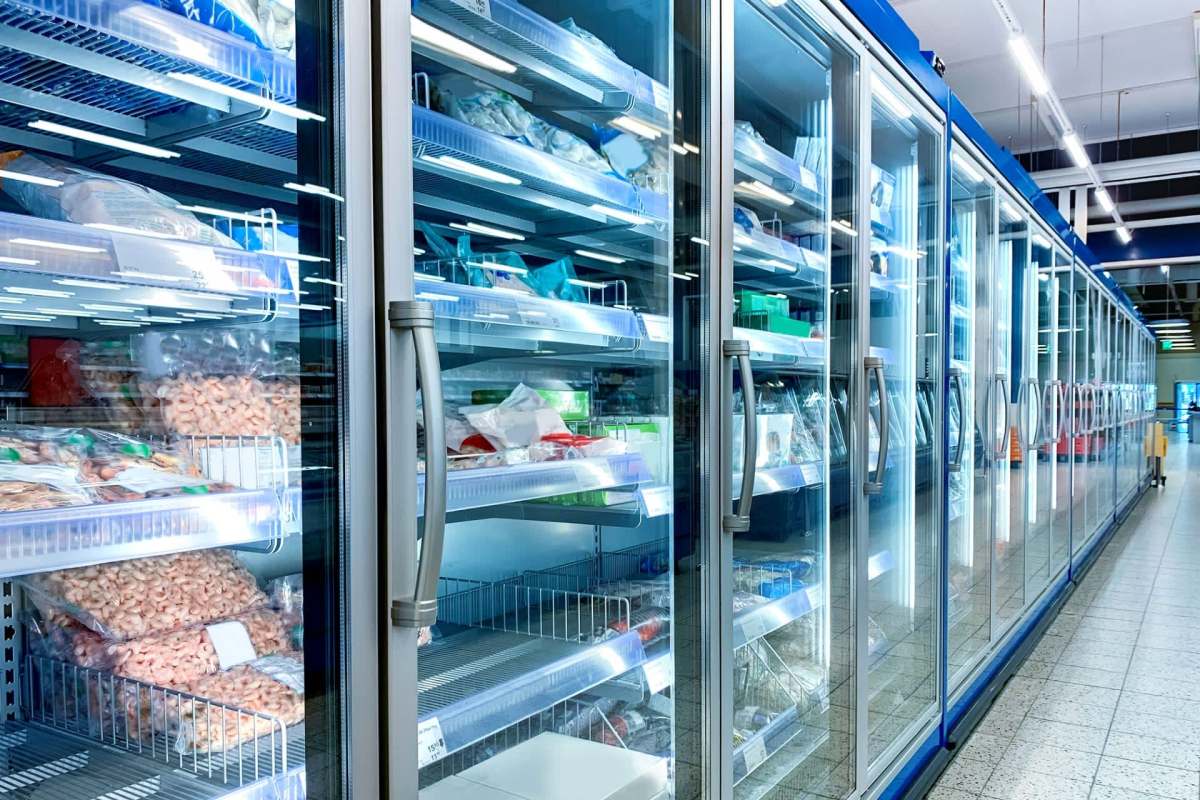
The Trump administration is easing federal restrictions on hydrofluorocarbons, or HFCs, the powerful, polluting chemicals used in refrigerators and air conditioners.
The change could slow one of the country's biggest climate wins in cooling technology, even as officials argue it will help lower consumer costs.
The New York Times reported that President Donald Trump announced Thursday that his administration will relax rules limiting the use of HFCs, chemicals that are often called "super pollutants" because they trap far more heat in the atmosphere than carbon dioxide.
The restrictions being loosened stem from a bipartisan 2020 law Trump signed during his first term. That law had put the United States on track for an 85% reduction in HFC production and consumption by 2036, alongside a global phase-down backed by more than 190 countries.
Environmental Protection Agency Administrator Lee Zeldin said the rollback would help grocery stores, air-conditioning companies, semiconductor plants, and refrigerated transport businesses by extending compliance deadlines and broadening the refrigerants they can use, according to the NYT. The administration said the move could save families and businesses more than $2.4 billion, framing it as a cost-of-living measure.
But several analysts and even some industry groups questioned whether shoppers would actually see lower grocery bills.
TCD Picks » Quince Spotlight
💡These best-sellers from Quince deliver affordable, sustainable luxury for all




HFCs are a major driver of warming, and reducing them has been seen as one of the fastest ways to slow Earth's warming. Scientists have found, as the NYT noted, that eliminating HFCs globally could prevent up to 0.5 degrees Celsius (0.9 degrees Fahrenheit) of warming by the end of the century.
That may sound abstract, but the consequences are not. Hotter temperatures can mean more dangerous heat waves, higher electricity bills, crop losses, and supply-chain disruptions that push food prices even higher. In other words, slowing climate action on cooling chemicals could make everyday life harder for families already dealing with rising costs.
The administration says the rollback will help lower grocery prices. But Michigan State University food economist David Ortega said that refrigeration is only a small part of overall food costs, which are also being pressured by fuel prices, tariffs, and extreme weather.
The move also creates uncertainty for manufacturers that have already invested in cleaner alternatives.
Even with the rollback, federal law still requires the EPA to keep cutting HFC output over time, so the broader phase-down is not disappearing entirely. As the NYT noted, the question is whether delaying deadlines now will weaken momentum and increase near-term demand for the same planet-warming chemicals.
Manufacturers had largely supported the original transition, saying safer substitutes were available and that companies had already invested in new refrigerants, equipment, and factory lines. Some industry leaders now warn that changing the rules midstream could actually raise costs by disrupting that investment.
"This move is highly unlikely to produce any noticeable reduction in grocery prices for consumers," Ortega said, according to the NYT. And as John Hurst, the executive director of the Alliance for Responsible Atmospheric Policy, put it, "American manufacturers did what Congress and the first Trump administration asked them to do."
Commenters reacted strongly to the news shared on the social platform X by FactPost (@factpostnews).
"Super pollutants are responsible for half of global warming observed to date," said one. "Reducing hydrofluorocarbons brings immediate public health benefits."
"Where do we draw the line between industrial expansion and long-term downstream consequences?" asked another.

Get TCD's free newsletters for easy tips, smart advice, and a chance to earn $5,000 toward home upgrades. To see more stories like this one, change your Google preferences here.






