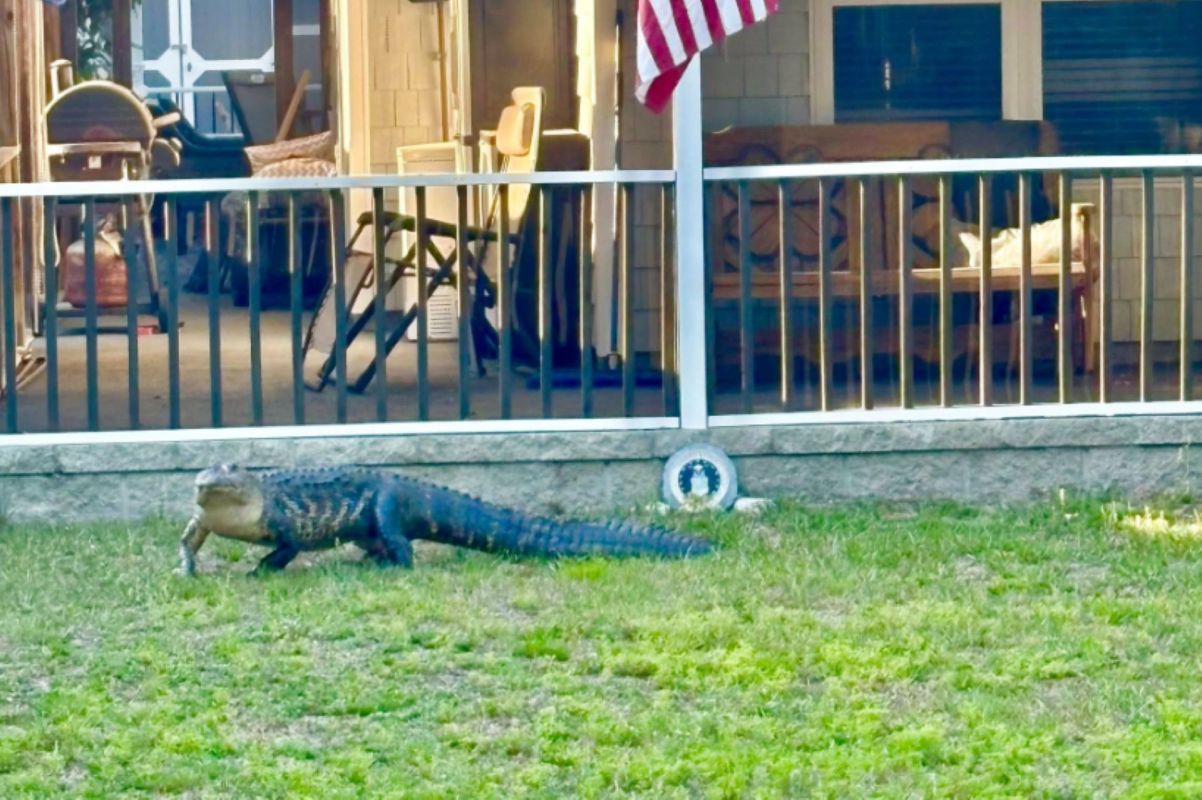
An alligator wandering through residential yards in Southport, North Carolina, prompted a police response Wednesday evening, turning an ordinary neighborhood into a temporary wildlife safety zone.
According to WECT, police said officers responded after the animal was spotted near homes and neighborhood entry points. While officers maintained a perimeter, the department notified N.C. Wildlife Resources Commission officials, who responded to handle the alligator.
Photos shared by the Southport Police Department on Facebook showed the reptile moving through residential yards, highlighting how quickly wildlife encounters can unfold in places where people live, walk pets, and spend time outdoors.
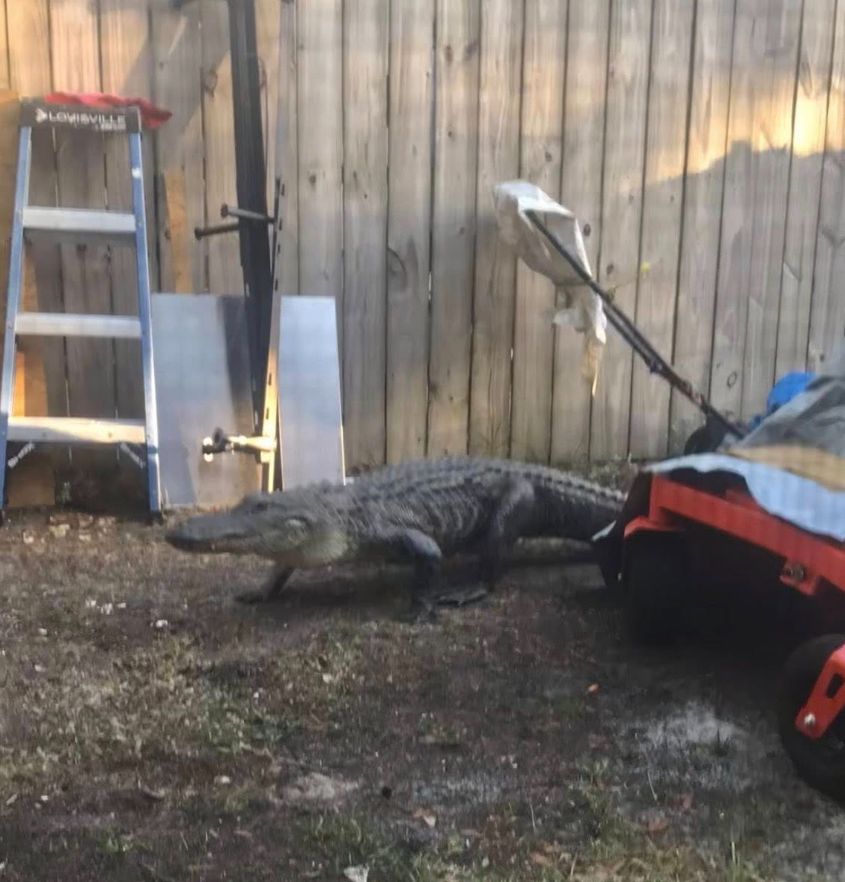
Police later said the situation ended without incident. "The alligator was successfully captured and relocated," they wrote. "We acknowledge and thank the assistance of our partners at NC Wildlife."
Officials also issued a series of safety reminders for residents, including staying back if they see an alligator, keeping pets away from waters where one could be present, and avoiding swimming at dusk and dawn, when alligators tend to be most active.
A gator in a backyard may sound like a one-off neighborhood scare, but it points to a broader reality: Wildlife and people are increasingly sharing the same spaces. In coastal communities, especially, homes, roads, retention ponds, and other human-built features can sit close to habitat that alligators already use.
Save $10,000 on solar panels without even sharing your phone number Want to go solar but not sure who to trust? EnergySage has your back with free and transparent quotes from fully vetted providers that can help you save as much as $10k on installation. To get started, just answer a few questions about your home — no phone number required. Within a day or two, EnergySage will email you the best local options for your needs, and their expert advisers can help you compare quotes and pick a winner. |

That overlap can raise risks for both people and animals. Residents may worry about children, pets, and outdoor activity, while the alligator itself can become stressed, cornered, or pushed into dangerous situations after wandering into developed areas.
Human behavior can also make these encounters more likely — or more dangerous. One of the clearest warnings from officials was simple: Do not feed alligators. Feeding wild animals can reduce their fear of people and encourage them to return to neighborhoods, docks, and backyards looking for food.
Officials also gave residents clear steps they can take to lower their risk. They advised people not to feed alligators, to keep pets back from waters where gators could be present, according to the Southport Police Department, and to avoid swimming at dawn or dusk.
If someone sees an alligator, the guidance is to stay at least 50 feet away. If the animal starts approaching, residents should back away slowly and move to higher ground rather than panic or try to interact with it.
TCD Picks » Quince Spotlight
💡These best-sellers from Quince deliver affordable, sustainable luxury for all




For emergencies, officials said to call 911. While relocation can solve an immediate problem, long-term safety also depends on people avoiding the habits that draw wild animals closer to neighborhoods in the first place.

Get TCD's free newsletters for easy tips, smart advice, and a chance to earn $5,000 toward home upgrades. To see more stories like this one, change your Google preferences here.
Cool Picks