


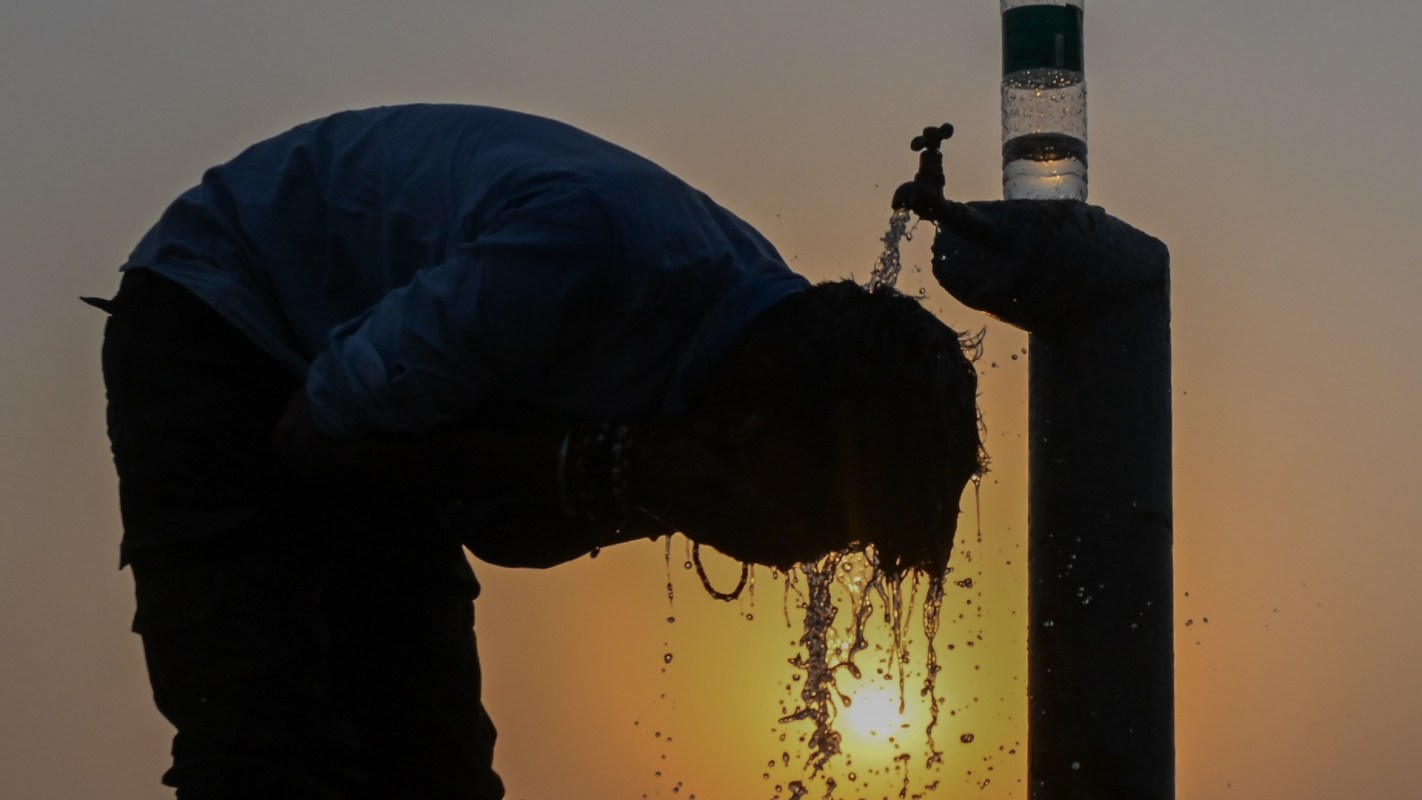
A brutal spring heatwave across India and Pakistan has led to the deaths of at least 16 citizens who suffered from heat-related illnesses.
What happened?
As Mongabay detailed, temperatures climbed past 114.8 degrees Fahrenheit (46 degrees Celsius) in multiple cities from mid-April into May 2026, putting millions of people at risk.
In response, the World Weather Attribution commissioned a new "super-rapid" analysis to study its causes. The probe found that human-caused climate change made the April 15-29 heatwave about three times likelier than it would have been under preindustrial conditions.
Researchers also concluded that the event likely would have been around 1 degree Celsius less intense in a preindustrial climate, per Mongabay.
In practical terms, that means dangerous April heat that was once unusual in South Asia is now showing up far more often and in more severe forms. According to the researchers, heat at this level is now expected roughly once every five years in the region.
"What used to be rare heat in South Asia is now a regular reality," research associate Mariam Zachariah said in a statement provided to Mongabay.
TCD Picks » Quince Spotlight
💡These best-sellers from Quince deliver affordable, sustainable luxury for all




Why does it matter?
Beyond the immediate health danger and risk of death, the heatwave also pushed electricity demand in India to record highs and contributed to agricultural drought across more than 1 million square kilometers, per Mongabay.
Extreme heat is often described as a silent disaster, but its effects are anything but small.
When temperatures stay dangerously high for days, the risks pile up quickly in the form of heat exhaustion, heat stroke, power strain, crop losses, and income disruptions for people who work outside.
That burden does not fall evenly. Outdoor laborers, daily wage earners, and people living in poorly insulated or overcrowded housing face much greater danger because they often have fewer ways to cool off, rest, or seek medical care quickly.
The drought conditions linked to the heatwave also threaten food supplies and livelihoods. When harvests suffer, prices can rise, and families can lose both income and access to reliable food.
The study's warning is especially urgent because the future could be worse. Scientists found that another 1.3 degrees Celsius of warming could make late-April-2026-type heatwaves twice as likely again and about 1.2 degrees Celsius hotter, per Mongabay.
What's being done?
India and Pakistan have invested in Heat Action Plans aimed at helping communities prepare for dangerous temperatures, according to the report. These plans can include early warnings, public messaging, and coordination among local officials and health systems.
But researchers told the outlet that those measures often do not go far enough in practice. They indicated the plans may lack local, context-specific protections for the people most exposed to heat, and they frequently fall short on long-term adaptation, such as better housing, worker protections, cooling access, and water management.
Another major problem is funding. The researchers told the publication that neither country officially treats heatwaves as a "notified disaster," meaning they are often excluded from critical disaster relief support even when the impacts are severe.
"We are simply not prepared for the level of warming we already have," research associate Ben Clarke concluded in the statement shared by Mongabay.

Get TCD's free newsletters for easy tips, smart advice, and a chance to earn $5,000 toward home upgrades. To see more stories like this one, change your Google preferences here.







