


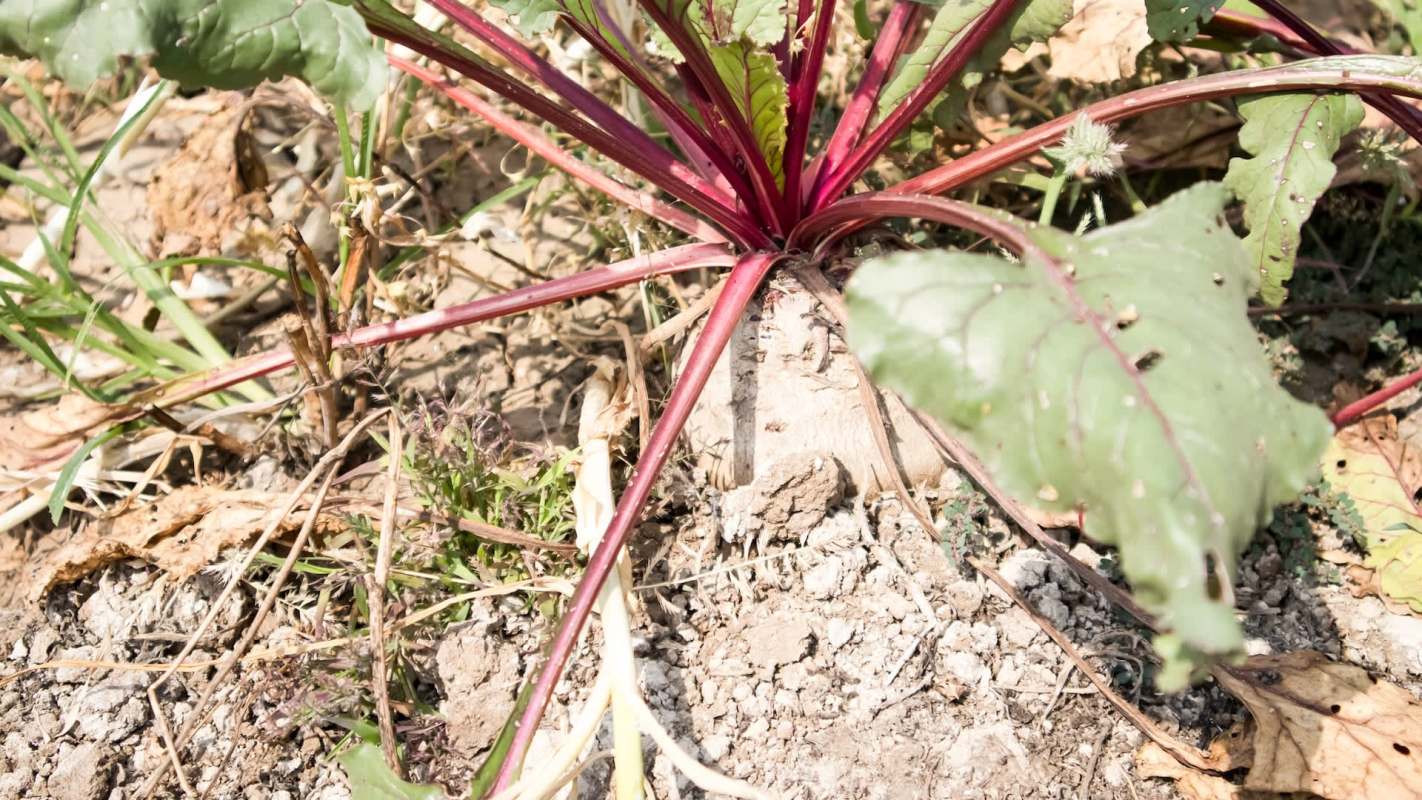
In western India, longtime growers such as Satgonda Patil and Yallappa Naik say the old rhythms of rain, heat, and crop timing have grown unreliable, making experience a less certain guide.
The way hotter air, warmer oceans, shifting rainfall, and changing pest cycles alter planting and harvest timing is making it harder for farmers around the world to rely on the cues they once trusted, Yale Climate Connections reported.
What is climate-driven seasonal disruption?
Climate-driven seasonal disruption is the growing mismatch between the weather patterns farming depends on and what happens as temperatures rise. Crops can now face both floods and drought in the same growing period.
In short, the traditional farming calendar no longer matches the conditions.
Why is climate-driven seasonal disruption important?
Farming depends on timing.
When seasons grow less predictable, farmers can lose crops, spend more on pesticides or irrigation, and struggle to produce enough food.
TCD Picks » Quince Spotlight
💡These best-sellers from Quince deliver affordable, sustainable luxury for all




What looks like a local weather problem can quickly become a broader food security problem.
The effects are already visible.
Patil, an 80-year-old farmer in Jambhali, had long been the person neighbors consulted about when to plant or harvest. But last October, his cauliflower crop on a 1.5-acre plot was lost after a soil fungus linked to warmer conditions took hold. A month later, early pests hit his cabbage, and even after spending more than 50,000 Indian rupees ($518) on pesticides, he could not save the crop.
Naik, 68, from Nandani village, lost his sugarcane after floodwater stayed about 7 feet deep in his field for more than 10 days. Later crops were damaged by heat, untimely rain, weeds, and pests.
Research suggests farmers can adapt — but only to a point.
One study cited by Yale estimates adaptation may address only about 23% of global crop losses by 2050 and 34% by the end of the century.
For every 1 degree Celsius (1.8 degrees Fahrenheit) of warming, food output is expected to drop enough to reduce average per-person food availability by about 120 calories per day, according to Yale Climate Connections.
"Historical relationships we have relied on for seasonal forecasting may no longer hold as consistently," said Efi Foufoula-Georgiou, a professor of civil and environmental engineering at the University of California, Irvine.
How climate-driven seasonal disruption affects crops
One reason seasons are becoming harder to read is that oceans are warming. Oceans store heat for long periods and release it gradually, influencing atmospheric circulation and rainfall far from the coast.
Natural climate cycles such as El Niño and La Niña still matter, but changing links between ocean temperatures and seasonal rainfall are making forecasts less dependable in some places.
That uncertainty reaches farms in several ways.
Rain may come in intense bursts instead of steady, useful stretches. Heat can persist longer into the growing season. Pests and diseases may appear at unusual times or spread faster in warmer conditions.
Researchers also say seasonal timing across ecosystems is becoming misaligned, and even floods arriving a week earlier can ripple through entire systems.
In India, the monsoon has become more uneven, with longer dry spells broken by heavier rain. A warmer atmosphere can hold roughly 6% to 10% more moisture for every 1 degree Celsius of warming, helping explain why rainfall can become both more extreme and less useful for farming.
Even when total seasonal rainfall appears normal, the pattern can still be damaging.
Patil described weather that seems ready to bring rain can suddenly turn blazing hot. On one March day, with temperatures already above 100 degrees Fahrenheit, he stood beside harvest-ready sorghum while a forecast warned of evening rain that could ruin the crop. The rain never came, and the bad forecast was itself part of the problem.
How farmers can reduce the risk
Experts say the answer is not only better forecasting, but better risk management.
That can include adjusting sowing dates, using crop varieties better able to withstand heat or short dry spells, and growing a wider mix of crops so one failure does not wipe out an entire season.
Water management is also critical. Storing water, conserving soil moisture, improving irrigation efficiency, and managing groundwater more carefully can help farmers cope with uneven rainfall and sudden swings between drought and downpour.
Some farmers are already changing course.
After repeated losses, Naik said he has narrowed his farming to a three-month window and shifted toward faster-growing crops such as beets to reduce the risk of total loss. It is not a perfect solution, but it lowers the stakes.
The broader takeaway is that what farmers are seeing is part of a larger climate pattern. The seasons are not disappearing, but they are becoming less dependable.
Patil said the hardest part is not only the financial loss. It is watching a lifetime of knowledge become less useful as the climate around him changes.

Get TCD's free newsletters for easy tips, smart advice, and a chance to earn $5,000 toward home upgrades. To see more stories like this one, change your Google preferences here.






