


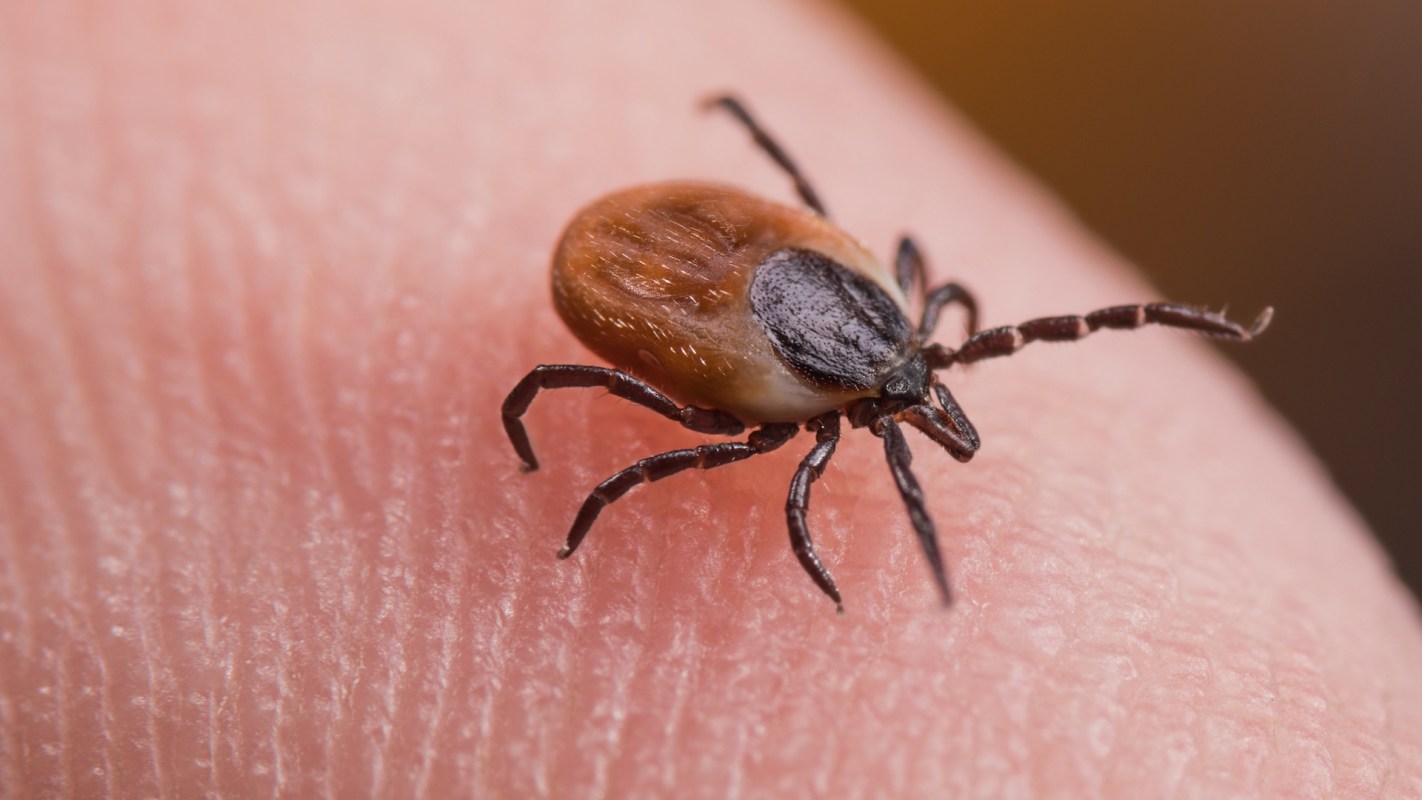
A tick study in Wisconsin has raised fresh concerns about Lyme disease after researchers found that more than half of tested adult female deer ticks carried the bacteria that causes it.
The finding comes as the state is already seeing record-high Lyme disease case counts.
According to Wisconsin Public Radio, over the last two years, nearly 12,500 ticks from Wisconsin and the surrounding region were mailed to Marshfield Clinic Research Institute through its Tick Inventory via Citizen Science project.
A paper from the project, which is still awaiting peer review, found that deer ticks accounted for slightly more than a quarter of 2024 submissions. It also reported that 51% of the 707 adult female deer ticks tested carried the bacteria that causes Lyme disease.
Staff scientist Alexandra Linz, the report's primary author, said the rate was unexpectedly high.
"It's not the highest that's ever been reported in Wisconsin, but it is up there, and it's higher than we were expecting to see," she said.
TCD Picks » Quince Spotlight
💡These best-sellers from Quince deliver affordable, sustainable luxury for all




The report also found higher prevalence in fall samples and in southwestern Wisconsin. At the same time, Wisconsin recorded 6,469 Lyme disease cases in 2024, according to the state Department of Health Services — a record total and part of a long-term rise in reported infections.
For many people, tick season can feel like a background annoyance. But findings like this show why public health officials and researchers keep a close eye on which tick species are present and what pathogens they carry.
As the planet warms, what "tick season" means and where ticks show up are also changing significantly, as warmer temperatures lengthen their active season and allow them to expand their range.
Lyme disease can affect daily life in serious ways if it is not caught early, and Wisconsin has seen cases climb sharply over the past two decades. The state said reported cases have quadrupled over 20 years, averaging about 4,600 annually from 2019 through 2023.
According to Wisconsin Public Radio, a 51% bacterial prevalence in ticks does not mean a person has a 50-50 chance of getting Lyme disease from a bite. Linz noted that a deer tick generally needs to be attached for 24 to 36 hours to transmit the bacteria, and immune response also plays a role.
As she explained, "[The Centers for Disease Control and Prevention's] estimates on what that risk value is are more like 3%."
That means the study is best understood as a warning about environmental risk and exposure patterns, not a prediction that every tick bite will lead to illness.
Researchers plan to keep the Marshfield Clinic tick survey going with continued support from private philanthropic funding. The project gives scientists a broader view of what species are showing up in Wisconsin and what diseases they may be carrying.
The study also highlighted a practical challenge. According to Wisconsin Public Radio, most of the ticks submitted were wood ticks, or dog ticks, a species that does not transmit disease to humans. Because they are larger and easier to spot, people may overlook the tiny deer ticks that pose a greater health threat.
"We definitely got larger ticks in our study than you would get if you were out sampling in the environment," Linz said. "That suggests that people are maybe missing finding the really small life stages of the deer tick, which are a major vector of Lyme disease and other tick-borne diseases."
Researchers are comparing tick microbiomes based on whether the Lyme-causing bacteria are present, hoping to understand why some ticks carry the pathogen and others do not.

Get TCD's free newsletters for easy tips, smart advice, and a chance to earn $5,000 toward home upgrades. To see more stories like this one, change your Google preferences here.







