


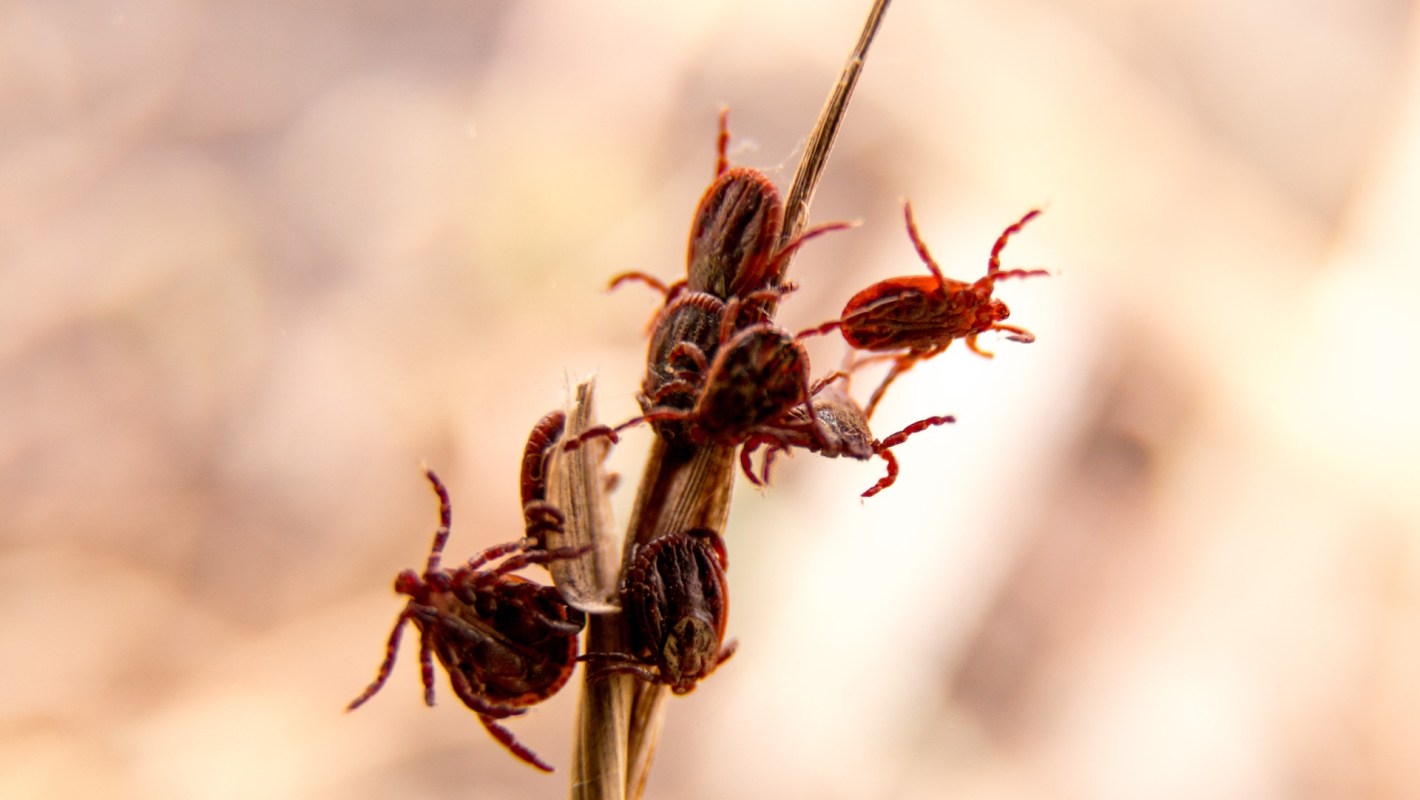
Health experts are warning that tick season is starting earlier, leading to concerns about more Lyme disease cases and increased allergies linked to tick bites. According to Wisconsin news outlet WSAW, specialists say ticks are becoming active sooner than usual, a shift that may be at least partly attributed to the milder winters that help ticks persist and move into new areas.
What's happening?
Nicole Baumgarth of Johns Hopkins Bloomberg School of Public Health told WSAW that tick activity appeared to be picking up earlier in the year. Experts told WSAW that the season seems to be stretching out too, while ticks are also showing up in more parts of Wisconsin.
An expanded tick range carries real health risks. Tick bites can lead to serious illnesses, including Lyme disease and alpha-gal syndrome, which can spur serious allergic reactions.
Medical professionals are urging residents not to wait until peak summer to start taking precautions. Families heading to parks, trails, campsites, and even their own backyards may need to start thinking about tick prevention much earlier in the year.
Why is this concerning?
Earlier and longer tick seasons can increase the likelihood of more bites, and with them, more infection and complication risks.
Experts told WSAW that warmer winters are helping drive the trend. When winter conditions are less severe, more ticks are able to survive and stay active for longer periods. That gives them more opportunities to reproduce, spread, and come into contact with people.
TCD Picks » Quince Spotlight
💡These best-sellers from Quince deliver affordable, sustainable luxury for all




The shift can affect everyday routines in subtle ways. Hikers, gardeners, hunters, dog walkers, and children playing outside may all face greater exposure during shoulder months that once seemed relatively low-risk.
The shifts also add pressure on doctors and public health officials to identify symptoms quickly, treat patients, and make sure people know how to protect themselves.
What's being done about ticks?
Experts are already encouraging residents to take precautions, including performing daily tick checks, wearing permethrin-treated clothing, and removing attached ticks right away.
Pulling your socks up over long pants when out in high grass is another simple preventative step. Altogether, these precautions can make a meaningful difference.
More broadly, health agencies and clinicians are continuing to track changing tick patterns and warn the public earlier as conditions shift. As tick seasons become less predictable, staying informed and taking preventive measures may be among the most effective ways to stay safe.

Get TCD's free newsletters for easy tips, smart advice, and a chance to earn $5,000 toward home upgrades. To see more stories like this one, change your Google preferences here.







