


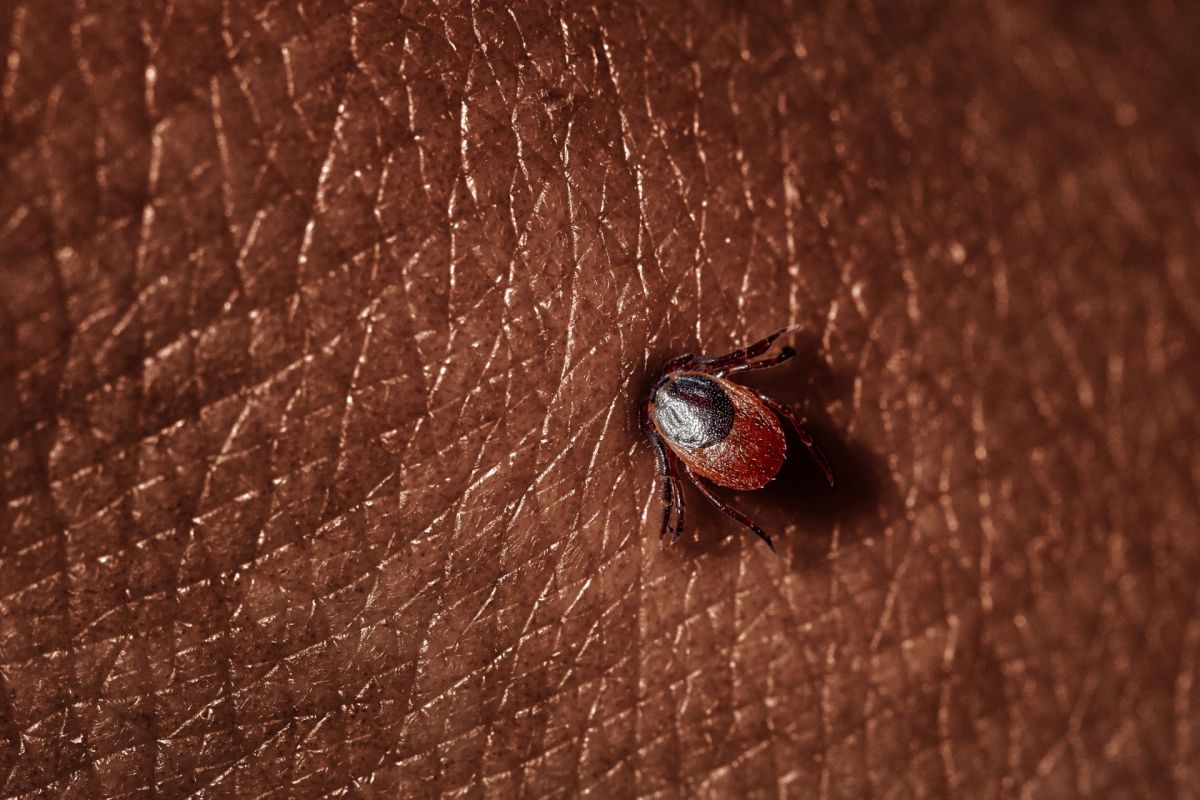
The bacteria that cause Lyme disease can persist in the body for months or even years after antibiotic treatment, according to a study in the journal Advances in Infectious Diseases.
What's happening?
Researchers examined 56 studies on animal and human subjects infected with Borrelia burgdorferi, the spiral-shaped bacterium that causes Lyme disease.
Across 10 animal experiments and 25 human cases, the bacteria survived even after patients completed their antibiotic courses. Scientists confirmed the presence of living organisms through lab cultures, tissue samples, and tick-feeding experiments.
The bacteria appeared anywhere from 2 to 46 months after treatment ended in mice, dogs, primates, horses, and humans.
"This study is bad news for Lyme disease patients and their doctors," said Dr. Raphael Stricker, an internist and the study's co-author. "We need to develop better antimicrobial treatments for these suffering patients, and we need to do it now."
"When patients remain ill after antibiotic therapy, clinicians need to consider the possibility of persistent infection and the need for continued treatment," added Lorraine Johnson, chief executive of LymeDisease.org.
TCD Picks » Quince Spotlight
💡These best-sellers from Quince deliver affordable, sustainable luxury for all




Why is persistent Lyme infection concerning?
More than half a million Americans are diagnosed with Lyme disease each year, and no other illness spread by ticks affects that many people in North America.
Warmer temperatures have allowed tick populations to move into new areas, putting more communities at risk.
Milder winters mean ticks stay active for longer stretches each year.
People with lingering symptoms often face doubt from doctors who believe the bacteria can't outlast standard treatment.
|
Which of these savings plans for rooftop solar panels would be most appealing for you?
Click your choice to see results and earn rewards to spend on home upgrades. |
 Save $1,000 this year 💸
 Many get turned away from further care, leaving them more debilitated than patients living with diabetes or heart failure.
What's being done about persistent Lyme disease?
Scientists are studying how bacteria evade treatment by forming protective structures called biofilms and entering dormant cell states.
This work could lead to multi-drug approaches like those doctors use against tuberculosis.
When venturing into wooded and/or grassy areas, always wear long sleeves and pants, and check people and pets for ticks after spending time outdoors.
If a tick is found, remove it quickly with fine-tipped tweezers and stay alert for symptoms of Lyme disease, such as a rash or a fever.

Get TCD's free newsletters for easy tips, smart advice, and a chance to earn $5,000 toward home upgrades. To see more stories like this one, change your Google preferences here.






