


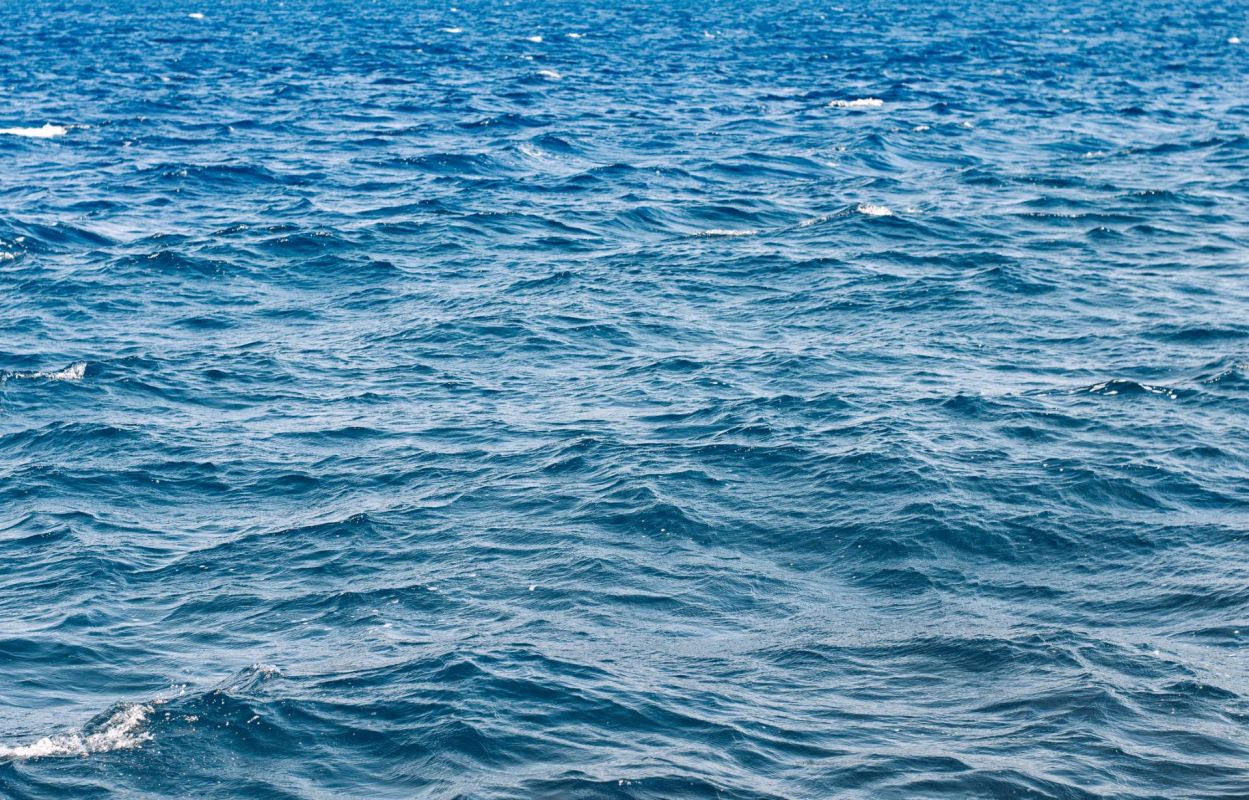
A huge mass of unusually warm water is moving across the Pacific far below the ocean's surface, and scientists say it could help determine whether this year's El Niño turns into a particularly intense one.
The 9,000-mile underwater blob of heat may be laying the groundwork for a major global weather shift in the months ahead.
What's happening?
The developing story is not just at the ocean's surface, where there's a 5,000-mile marine heat wave off America's West Coast. It's also unfolding hundreds of feet down, where a powerful band of warm water known as a Kelvin wave is traveling across the Pacific.
According to The Washington Post, that subsurface wave is carrying deep-ocean temperatures roughly 13.5 degrees Fahrenheit above normal in some areas. For water that far below the surface, that's an enormous temperature departure.
Because the ocean changes temperature much more slowly than land, that kind of deep, concentrated warmth can be especially important. As the wave moves eastward, it can help transfer heat upward and feed El Niño conditions at the surface.
That's why forecasters are watching this hot-water blob so closely: It may be one of the clearest signs of how this year's El Niño could be one of the most intense on record.
TCD Picks » Quince Spotlight
💡These best-sellers from Quince deliver affordable, sustainable luxury for all




Why does it matter?
El Niño is a natural climate pattern, but strong events can have global consequences. When Pacific waters are unusually warm, they can reshape weather patterns far from the tropics.
That can mean heavier rain and flooding in some regions, while others face hotter, drier conditions and greater wildfire risk. It can also affect agriculture, fisheries, energy demand, and water supplies.
Those shifts can show up as higher food prices, more dangerous heat, storm damage, and disruptions to travel or local infrastructure. Even if the warm water stays far offshore, its effects can reach communities around the world.
The reason this particular development stands out is the scale and intensity of the warmth. A large, deep reservoir of heat can give an El Niño event more staying power than a shallow warm patch at the surface alone.
What's being done?
Scientists and weather agencies are closely monitoring the Pacific to see whether the deep-ocean warmth continues to rise and strengthen surface conditions. Tracking Kelvin waves helps forecasters estimate not just whether El Niño is forming but also how forceful it may become.
That early warning matters because governments, utilities, farmers, and emergency managers can use seasonal outlooks to prepare for flood risk, drought, heat, or changes in crop and water conditions.
For households, the most practical step is preparation rather than panic. Checking long-range forecasts, reviewing emergency plans, making sure cooling systems work, and understanding local flood or wildfire risk can all make a meaningful difference.
People in vulnerable areas can also take simple resilience steps now, such as conserving water where drought may worsen, updating go-bags, and staying informed about changing weather conditions as forecasts evolve.

Get TCD's free newsletters for easy tips, smart advice, and a chance to earn $5,000 toward home upgrades. To see more stories like this one, change your Google preferences here.







