


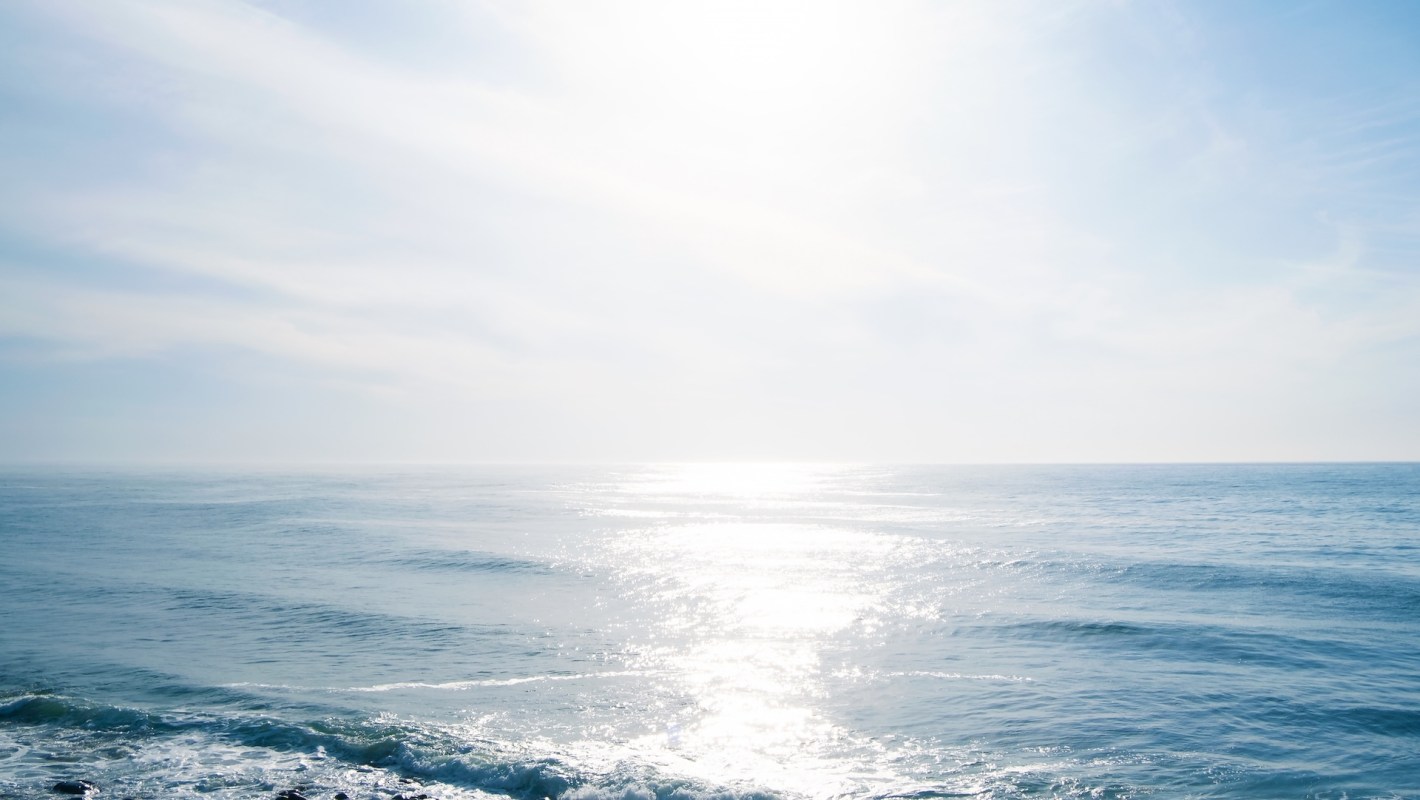
An extreme temperature pattern in the Pacific Ocean is poised to have significant effects on western North America and other coastal regions this summer.
From the western Pacific to the California coastline, a continuous band of warmer water, extending approximately 5,000 miles, has raised alarms among scientists, according to The Washington Post.
In certain locations, recorded temperatures are 6 to 8 degrees above average, prompting concerns that increased humidity could lead to more intense weather phenomena, including storms and hurricanes.
The impact will vary, and it won't lead to uniform heat and humidity across the region immediately, the Post reported. In the coming weeks, unsettled weather and fluctuating temperatures will likely prevail due to an enhancement in the subtropical jet stream, linked to the marine heat wave. This could bring beneficial moisture to the currently dry Intermountain West.
However, these milder effects may not be sustained. As summer draws near, the heat wave may contribute to higher overnight temperatures, reducing relief from daytime heat. There is also a possibility of increased humidity — an unusual occurrence in the West — since warmer ocean waters boost evaporation, raising atmospheric moisture, especially near the coast.
Aquatic ecosystems might also face challenges. "In Southern California, we are concerned about fish migration, kelp forest degradation, whale entanglements, harmful algal blooms and sea bird mortality," noted Dillon Amaya, a climate scientist who researches marine heat waves for the National Oceanic and Atmospheric Administration.
TCD Picks » Quince Spotlight
💡These best-sellers from Quince deliver affordable, sustainable luxury for all




Unfortunately, extreme weather events like this are nothing new. NOAA reported that there have been large marine heatwaves in the Pacific each of the last seven years, and six of those were among the largest heatwaves on record in the eastern North Pacific since 1982, when monitoring began.
Extreme weather events continue to devastate communities around the world. Here in the U.S., increasingly strong hurricanes batter the Gulf Coast and the eastern seaboard; the western states are bracing for an intense wildfire season that could peak early; and severe drought is wreaking havoc from coast to coast.
Climate scientist Daniel Swain concluded a report by stating, "I expect the exceptional and likely long-lived anomalous warmth of the subtropical … to be a key driver of conditions this spring and summer, and that could yield a summer quite different in California and the Southwest than we've seen in quite some time."

Get TCD's free newsletters for easy tips, smart advice, and a chance to earn $5,000 toward home upgrades. To see more stories like this one, change your Google preferences here.







