


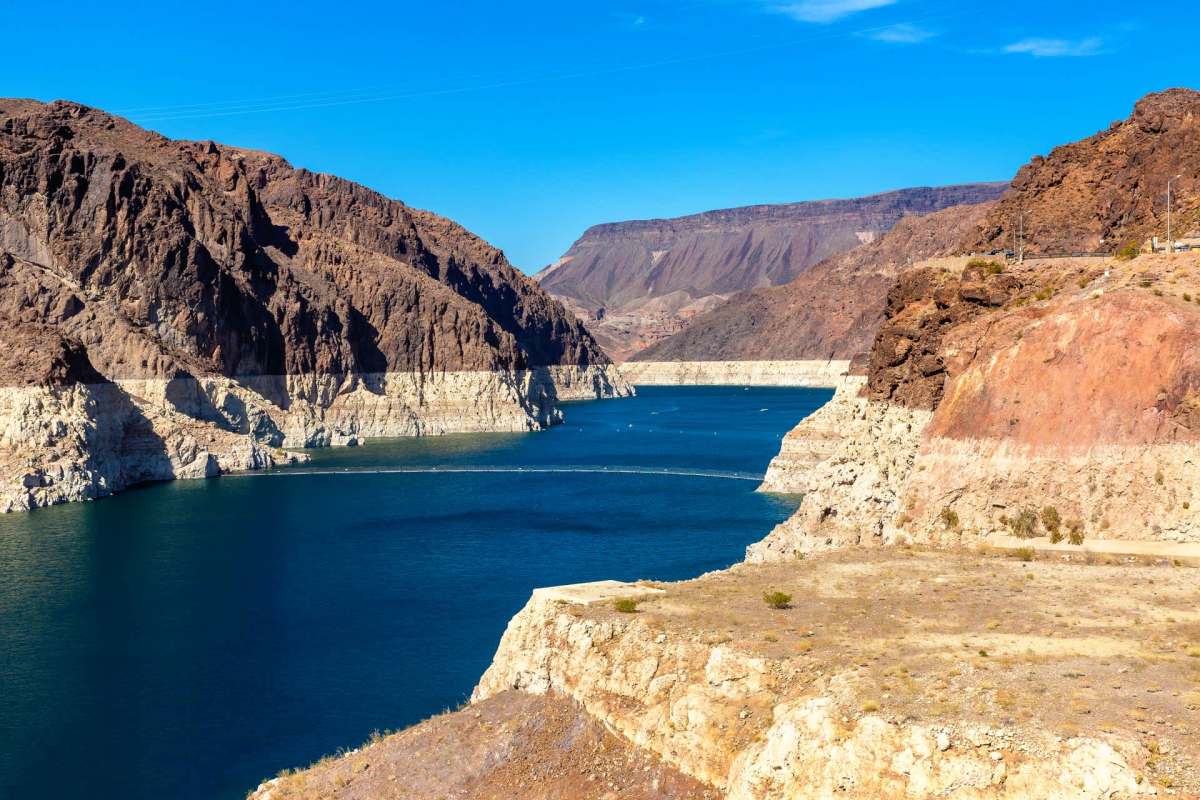
A crisis with the Colorado River could soon trigger some of the largest water cutbacks the American West has ever seen, with a new federal proposal reportedly calling for Arizona, California, and Nevada to lose as much as 40% of the water they currently receive from the river.
For the millions of people who rely on the Colorado for drinking water, farming, and daily life, the proposal is a stark reminder that the Southwest's long-running drought and chronic overuse of water are becoming impossible to ignore.
What's happening?
According to the Guardian, federal officials have laid out a 10-year plan that may trim yearly Colorado River deliveries to the three lower-basin states by as much as 3 million acre-feet, a proposal Arizona Department of Water Resources Director Tom Buschatzke discussed at a state meeting this week.
That volume could cover about 6 million to 9 million households for a year — more than the combined number in Arizona and Nevada.
Officials expect to finalize the proposal in June and revisit the cuts every two years. Buschatzke called the plan "sobering" and warned that it could potentially drive water deliveries within the Central Arizona Project "to zero."
The Colorado River serves about 40 million people across the West, but its main reservoirs have continued falling toward critically low levels. Over the last two decades, the basin has also lost tens of millions of acre-feet of groundwater, and a weak snow year has only added to the pressure, the Guardian reported.
TCD Picks » Quince Spotlight
💡These best-sellers from Quince deliver affordable, sustainable luxury for all




The proposal comes after the seven states that depend on the river failed to meet a February deadline to agree on how to share future shortages. The upper-basin states — Colorado, Utah, Wyoming, and New Mexico — have resisted taking on reductions, while the downstream states have continued to clash over how the burden should be divided.
At the center of the dispute is the century-old "Law of the River," including the 1922 Colorado River Compact, which gives California stronger senior water rights than Arizona and Nevada. If the federal government closely follows that system, some communities could be hit far harder than others.
Why is the Colorado River crisis concerning?
When river supplies drop this low, households can face tighter restrictions, farmers may have to leave fields unplanted, and local economies can suffer. In Arizona, deeper cuts could put intense pressure on communities that depend on the Central Arizona Project to move water long distances to homes and businesses.
The broader problem is that the river was divided using assumptions from a much wetter era. Today, rising global temperatures are shrinking snowpack, drying out soils, and making dry years more severe. At the same time, demand has remained high. Together, those forces have pushed the system badly out of balance.
If the Colorado River continues to decline, it could slow progress toward a healthier and more secure future for millions of people across the region. Reliable water supplies are tied to housing growth, food production, public health, and energy systems. When that foundation weakens, families and local governments are forced into increasingly difficult trade-offs.
The ecological consequences are serious as well. Less water in the river means more stress on wildlife habitat and riparian ecosystems that are already under strain from extreme heat and shrinking flows.
What's being done about the Colorado River crisis?
There are still efforts underway to avoid the worst-case outcome.
The lower-basin states recently put forward their own proposal for voluntary water reductions through 2028, offering a path to save more than 3 million acre-feet if state agencies and the federal government can agree on the details. Federal officials are also reviewing options ahead of the plan's finalization in June, and the Bureau of Reclamation is expected to play a major role in shaping the final plan.
Over the longer term, the Southwest will likely need a mix of solutions: more water recycling, less waste in agriculture and cities, smarter reservoir management, and policies that reflect the river's actual modern flow rather than outdated assumptions.
For residents, the most meaningful actions are often the larger, community-level ones: supporting local water-saving programs, replacing thirsty lawns with drought-friendly landscaping, and backing leaders willing to negotiate more realistic river-sharing rules. Water-smart home upgrades and better community planning can help reduce strain, but the biggest gains will come from regionwide changes in how the West uses and values water.
The Colorado River has long made life in the Southwest possible. What happens next will help determine whether that future remains within reach.

Get TCD's free newsletters for easy tips, smart advice, and a chance to earn $5,000 toward home upgrades. To see more stories like this one, change your Google preferences here.







