


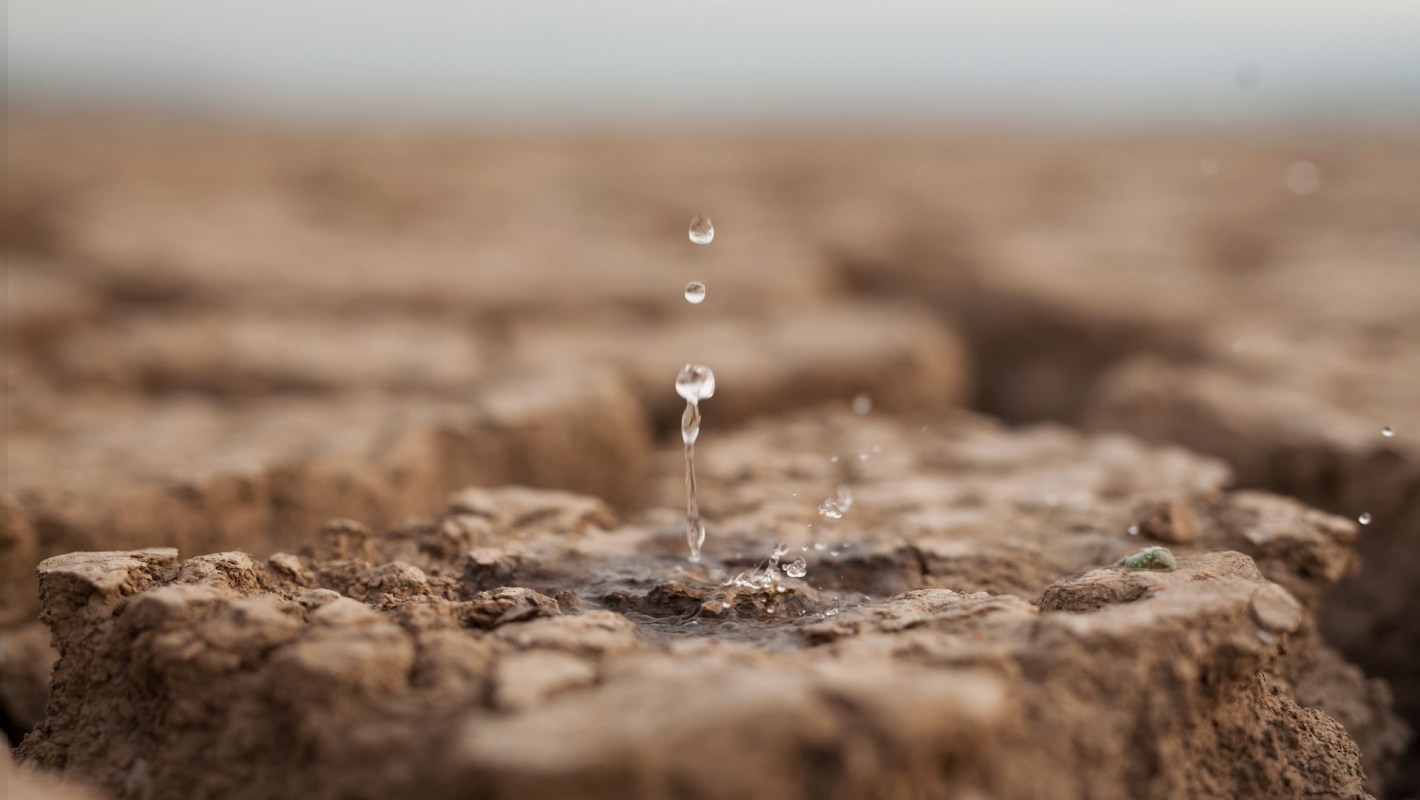
A water crisis in the Western United States could reach a boiling point this summer.
In accordance with a pact, states in the upper basin of the Colorado River have been providing water to states in the lower basin since 1922.
Water scarcity could change that in a matter of years.
Wired reported that conditions could lead upper states to break the 1922 covenant for the first time, setting the stage for a potential lawsuit between the groups of states.
Brad Udall is a senior water and climate researcher at Colorado State University's Colorado Water Center. He told Wired that the crisis is especially vexing because it was predictable.
"Those of us who are kind of in the know, and that includes a lot of people in the Colorado River Basin, have seen something like this coming for a long, long time," Udall said.
TCD Picks » Quince Spotlight
💡These best-sellers from Quince deliver affordable, sustainable luxury for all




For decades, the federal government has spearheaded efforts to improve the water supply outlook for the drought-stricken basin, which provides freshwater to nearly 40 million people.
The Colorado River's hydropower facilities also generate up to 4,200 megawatts of electricity every year. As Wired noted, this wattage is enough to power 25 million homes.
The hydropower dams at Lake Powell and Lake Mead are in trouble, though, with Lake Mead's reservoir approaching record-low levels in late April.
This followed a winter of record-breaking heat that reduced snowpack to critically low levels by February. Then, March roared in like a lion with even hotter temperatures. "What happened in March was unprecedented, and stunning, and disturbing," Udall told Wired.
However, even though "water war" content has sowed fear on social media for years, a day zero scenario with water running dry in the basin is unlikely.
Udall said that recent precipitation helped stabilize the supply, while an El Niño weather pattern this summer could offer further relief. That doesn't mean responsible water management goes out the window, though.
Industrial overuse has contributed to the situation, and Udall explained that "major cities are going to have to completely rethink how they use" water because of the effects of the changing climate.
One reader had an optimistic take, writing: "Just give it another six to nine months for another record rainfall and snowfall season. … This story will become old news very fast."
Another pushed back on that notion. "Trees in the mountains are dying, ranchers are saying there is little feed for their cattle in their grazing allotments, and the deer are congregating in the irrigated towns and farms," they said.

Get TCD's free newsletters for easy tips, smart advice, and a chance to earn $5,000 toward home upgrades. To see more stories like this one, change your Google preferences here.







