


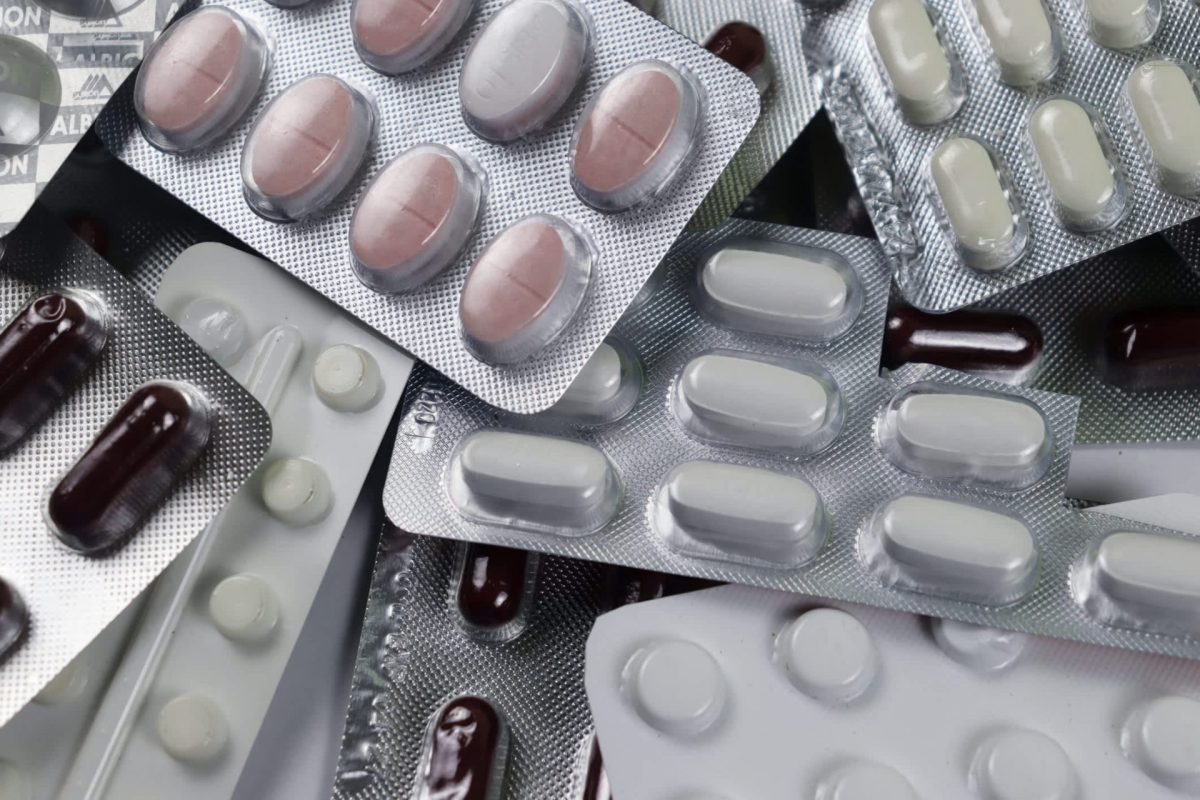
Defective product recalls in the U.S. hit 492 million units in the first three months of 2026, according to a new report from Sedgwick.
The biggest problem areas were food and drink, automotive, pharmaceuticals, medical devices, and consumer products, raising fresh concerns about corporate quality control, stressed supply chains, and whether consumers are getting enough transparency before products make their way into their homes.
What's happening?
Sedgwick reported in its latest U.S. Product Safety and Recall Index that, across five major industries, recalled-product volume climbed 27% from the previous quarter to 492 million units in Q1 2026. The same report said recall events dropped 10.5%, falling from 877 in Q4 2025 to 785 in Q1 2026.
In other words, there were fewer recall announcements, but the recalls themselves were much larger.
Several sectors posted especially striking totals. The pharmaceuticals sector had 218.8 million units recalled, the highest quarterly total in 12 years. The automotive sector has 12.2 million vehicles recalled, the highest since Q1 2024, and the food sector had 37.1 million pounds of USDA-regulated products recalled, the third-highest total in more than two decades.
The report also pointed to increasing pressure from regulators. Sedgwick said the USDA and Federal Trade Commission have stepped up enforcement around origin claims for products sold as American-made, and that the FTC is also focusing on dealership pricing transparency and hidden fees. The report added that the Food and Drug Administration changed inspection procedures for pharmaceuticals and medical devices.
TCD Picks » Quince Spotlight
💡These best-sellers from Quince deliver affordable, sustainable luxury for all




"The ongoing economic uncertainty should urge companies to control what they can do, including assessing their compliance risk and evaluating their recall plans against a dynamic regulatory environment," said Sedgwick's Chris Harvey.
Why is this important?
For consumers, recalls are more than a paperwork issue or a corporate inconvenience. They can mean unsafe medication in the medicine cabinet, contaminated food in the refrigerator, or a defective vehicle parked in the driveway.
The numbers also point to a broader issue. Some companies may be allowing quality assurance problems to build until they become too large to ignore. When businesses rely on fragile global supply chains, cut corners, or make unclear marketing claims, the risk often falls on the public.
That can lead to serious consequences, including health issues tied to contaminated food or flawed medications, injuries or crashes linked to defective auto parts, and wasted money spent on products that never should have reached store shelves.
There is also an environmental cost. Recalled food, consumer goods, and medicines often end up as waste, which means the energy, water, raw materials, packaging, and transportation used to produce and ship them were consumed for nothing. At a large scale, recalls can turn corporate mistakes into huge amounts of trash.
What's being done about defective product recalls?
Regulators appear to be increasing enforcement.
According to Sedgwick, federal agencies are putting more pressure on companies to be accurate about product origin, clearer in advertising, and better prepared for inspections and recalls. That type of oversight can help identify problems earlier and discourage companies from treating transparency as optional.
Ultimately, the most effective solution is not expecting shoppers to act like full-time investigators. It is making sure companies build safer products, test them properly, communicate honestly, and stop passing the cost of careless decisions on to the public.

Get TCD's free newsletters for easy tips, smart advice, and a chance to earn $5,000 toward home upgrades. To see more stories like this one, change your Google preferences here.






