


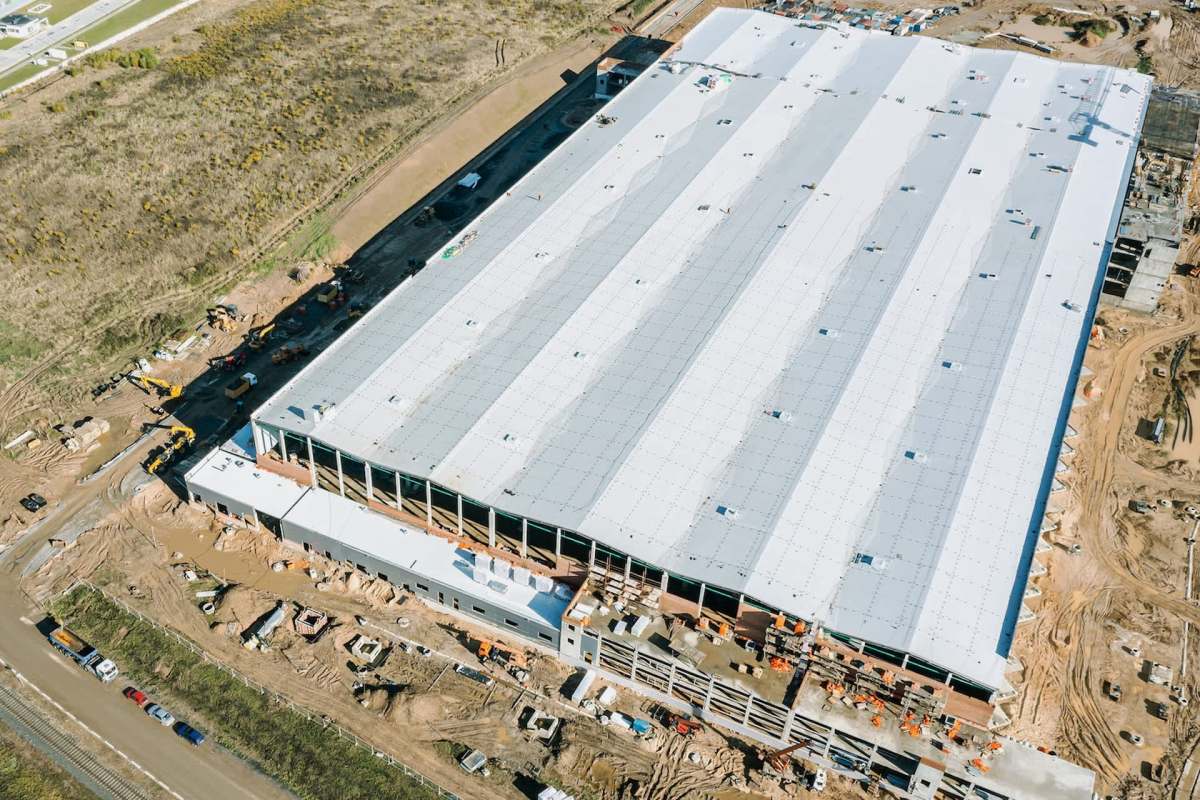
Data center developers are increasingly turning to unincorporated rural land amid growing opposition in towns and cities across the United States.
What's happening?
Tom's Hardware reported that developers behind large artificial intelligence data centers are showing growing interest in county land outside city limits, where projects can often avoid certain layers of local review, according to a SemiAnalysis (@SemiAnalysis_) post on the social platform X.
Sites outside municipal boundaries can allow developers to bypass some city-level approvals, including council action, rezoning, and related land-use reviews, which have become major obstacles for new data centers.
That is especially significant at a time when public resistance is increasing, and some jurisdictions have adopted moratoriums — and in some cases outright bans — on new data center construction.
From the industry's perspective, the appeal is clear: AI companies want new computing capacity online as quickly as possible, and delays can cost time, money, and market share. According to Tom's, building in county-governed rural areas can remove one layer of regulation, even though projects still need approval from county commissions, planning boards, and water authorities.
One approved project is a 9-gigawatt data center in unincorporated Box Elder County, Utah. Meta is also developing a 7-gigawatt facility in northern rural Louisiana that would include its own natural gas plants.
TCD Picks » Quince Spotlight
💡These best-sellers from Quince deliver affordable, sustainable luxury for all




A Kentucky farming family rejected a $26 million bid for 600 acres — about seven times the local average land value — saying it would rather "stay and hold and feed a nation."
Why is this trend concerning?
Shifting data centers into unincorporated rural areas could accelerate deployment of some of the most energy-intensive infrastructure in the country while limiting opportunities for close public scrutiny.
These facilities can require enormous amounts of electricity to run servers and cooling systems, and some also consume significant amounts of water. When developers build centers far from existing infrastructure, as Tom's suggested, they may need additional buildout to link these projects with grid service and water resources.
As AI becomes more deeply woven into daily life and industry, its role in the energy system is becoming both more promising and more complicated.
Building in rural areas may reduce some direct impacts on densely populated neighborhoods, since larger parcels can place more distance between facilities and homes. Still, that does not eliminate the risks. Data centers can generate constant noise, and facilities powered by on-site natural gas turbines can worsen local air pollution.
Rural communities may also have less leverage than larger cities when negotiating over water use, grid upgrades, road damage, or tax incentives.
If this pattern continues, the U.S. could see more large-scale computing campuses quickly approved in places with thinner oversight, even as opposition grows and the public becomes more aware of their effects on power quality, utility bills, communities, and local resources.
What's being done about AI data center expansion?
Communities and policymakers are already responding, even if the rules have not fully caught up. In some places, residents have pushed local governments to slow or stop new projects through moratoriums, tougher zoning standards, and more rigorous review of water and energy needs.
A more lasting solution may be stronger statewide standards for data center development. Officials could also require more transparency about projected energy demand and whether projects will rely on cleaner power sources.
There are also ways to mitigate harm caused by the technology itself. Companies can invest in more efficient chips, improved cooling systems, water recycling, and facilities powered by cleaner energy instead of new gas generation. Utilities and regulators can also prioritize projects that support grid reliability rather than undermine it.

Get TCD's free newsletters for easy tips, smart advice, and a chance to earn $5,000 toward home upgrades. To see more stories like this one, change your Google preferences here.






