


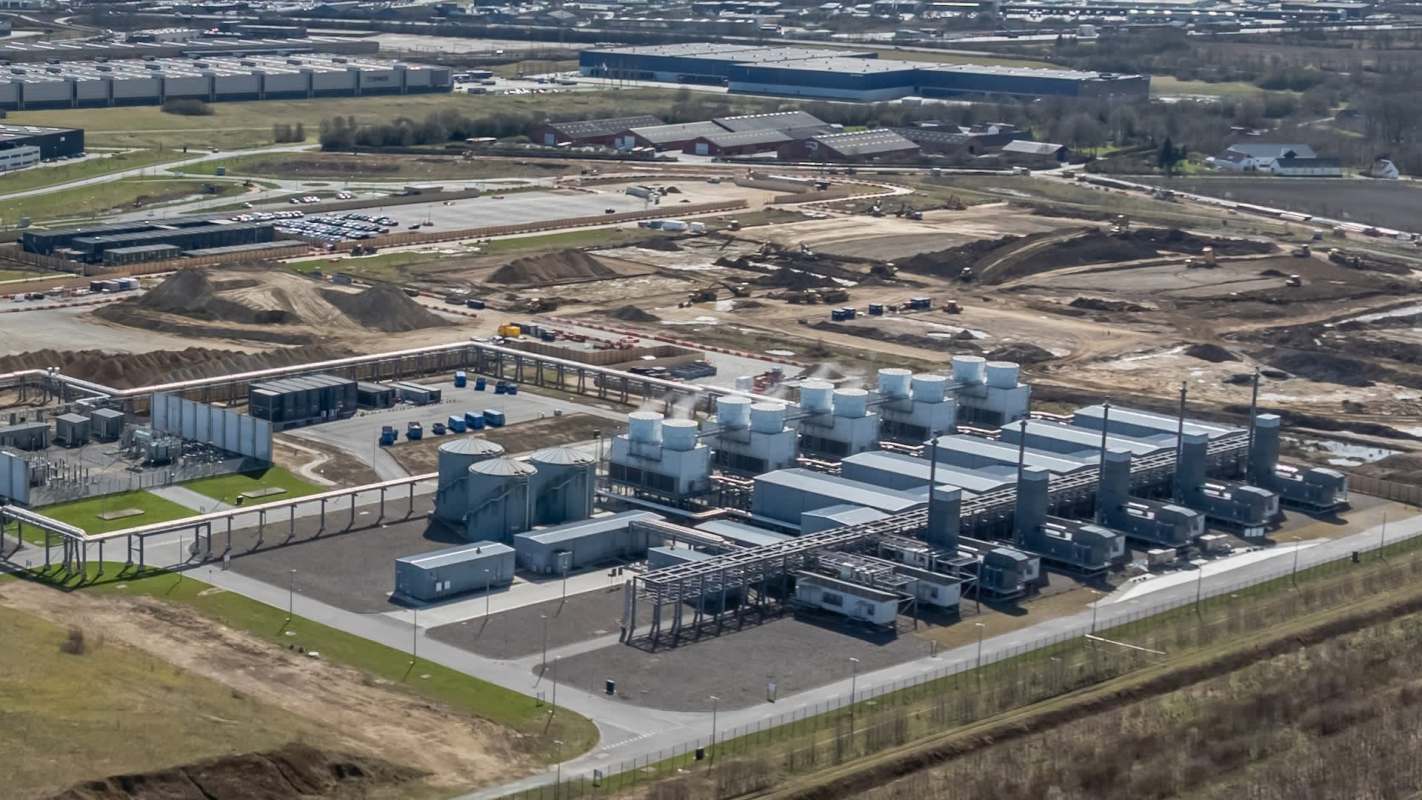
A proposed 24/7 data center campus in Coachella, California, is facing mounting opposition as residents and critics argue it could further strain the desert city's water supply and electric grid while offering limited benefits to the community.
Opponents say the project could overburden local infrastructure and leave households facing higher utility bills, NBC Palm Springs reported.
In the hot, arid region, those concerns carry particular weight. Water used to cool data centers can place additional pressure on already fragile supplies, while the facilities' constant electricity demand may require utilities to invest in costly new generation, transmission, and distribution infrastructure.
Residents worry that ordinary ratepayers could absorb some of those costs.
There is also a broader environmental concern. If a data center relies heavily on electricity generated from dirty energy, it can increase planet-warming pollution at a time when communities are already dealing with worsening heat, drought, and other extreme weather events.
And as global temperatures continue rising, keeping servers cool in already hot regions could require even more energy.
TCD Picks » Quince Spotlight
💡These best-sellers from Quince deliver affordable, sustainable luxury for all




The debate in Coachella reflects a pattern unfolding across the country.
As artificial intelligence tools, cloud computing, and digital services continue to expand, developers are racing to build new data centers in communities that are increasingly questioning whether the promised economic benefits outweigh the environmental and financial costs.
There are potential upsides. AI can help utilities forecast demand; improve grid reliability; accelerate clean-energy planning; and optimize solar, wind, and battery systems.
But the trade-offs are significant. Training and operating AI models requires enormous amounts of electricity and water, while large data centers can intensify concerns about grid strain and rising energy costs.
The rapid expansion of AI also raises concerns about cybersecurity risks, misuse, and unintended social impacts.
In other words, AI could address major energy challenges while creating new ones if its infrastructure expands without meaningful safeguards.
That is why the fight in Coachella resonates beyond the city. It highlights growing tension between economic development and resource protection, especially in communities that feel they are being asked to shoulder the downsides of the digital economy without enough transparency or benefit.
Still, communities, regulators, and utilities do have tools to reduce potential harm.
Local governments can require transparency before approving data centers, including public reporting on projected electricity use, water sourcing, cooling methods, and backup power systems and who would pay for any necessary grid upgrades.
Utility regulators can also help protect residents by ensuring that the largest new power users cover a fair share of the infrastructure costs they create instead of shifting those expenses onto households.
For residents, one of the most effective responses is civic engagement. That can include attending planning meetings, asking detailed questions about water and energy demand, pushing for thorough environmental review, and encouraging local leaders to prioritize projects that create jobs without putting essential resources at risk.
The fight over the Coachella project is a reminder that not every tech development is automatically a win.
As data centers continue spreading across the country, more communities are asking a simple question: If the future is being built in their backyard, who truly benefits — and who pays the price?

Get TCD's free newsletters for easy tips, smart advice, and a chance to earn $5,000 toward home upgrades. To see more stories like this one, change your Google preferences here.






