


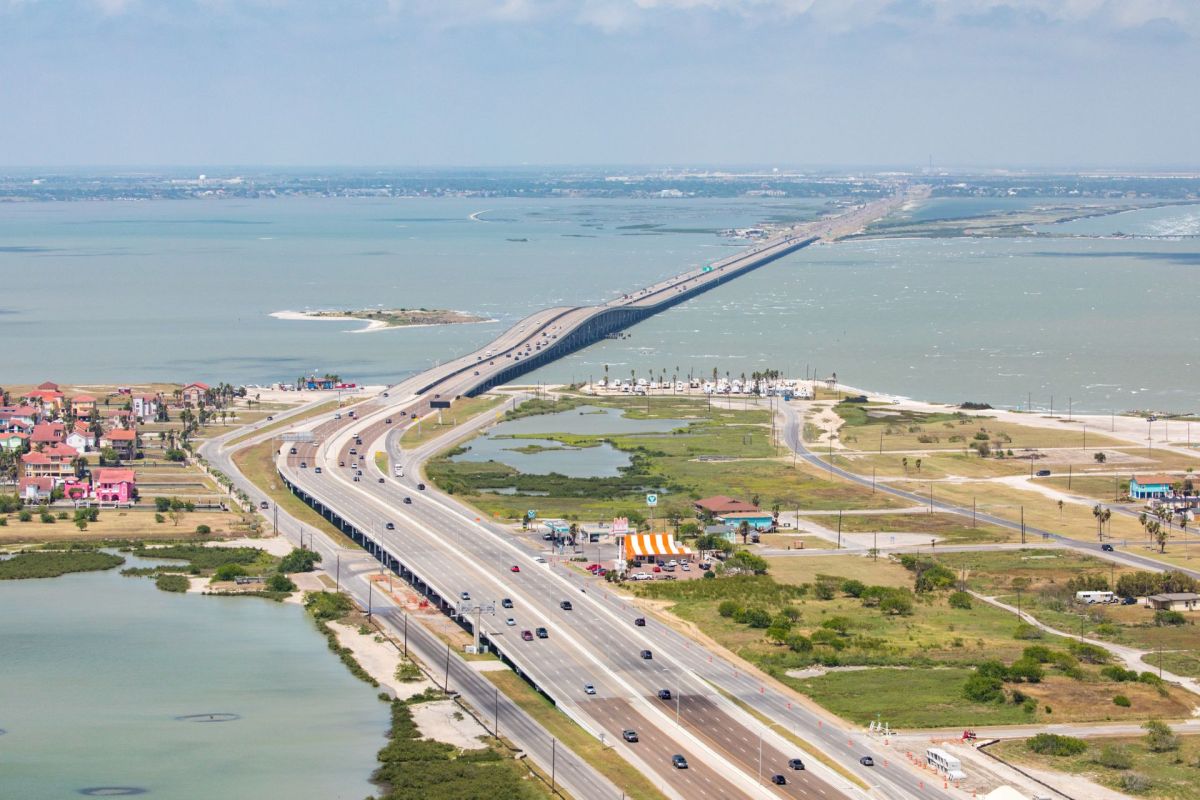
Corpus Christi's water troubles are no longer a distant warning. After years of drought, rising temperatures, and growing demand, the South Texas city is edging toward a breaking point that could affect families, major employers, and one of the nation's largest energy hubs.
Corpus Christi and the surrounding region, home to more than 500,000 people, are facing an intensifying water shortage as key reservoirs continue to shrink. As of April 28, the combined storage levels in Lake Corpus Christi and Choke Canyon had dropped to just 7.8%, according to NPR.
The city has already had water restrictions in place for more than a year. Lawn watering is prohibited, and car washing or watering plants at home are allowed only on designated "watering days."
The effects are becoming increasingly visible. Lawns across the region have turned brown, and a local water park closed earlier this year.
City Manager Peter Zanoni said Corpus Christi is expected to enter a "level one water emergency" in September, meaning supply could fall short of demand by early 2027. A proposed plan would require a 25% reduction in water use.
Experts say the crisis is being driven by a combination of prolonged drought, hotter temperatures linked to rising global temperatures, heavy industrial demand, and years of delayed investment in new water supplies.
TCD Picks » Quince Spotlight
💡These best-sellers from Quince deliver affordable, sustainable luxury for all




This is about more than a typical dry spell. Corpus Christi relies heavily on surface reservoirs, making the entire system vulnerable when rainfall disappears.
"The weather could shoot blanks for long enough, and eventually you can run out of water," said climatologist John Nielsen-Gammon, according to NPR.
Worsening extreme weather disasters can threaten both lives and livelihoods by straining drinking water supplies, increasing health risks during extreme heat, and placing communities under mounting financial pressure.
When water becomes scarce, families may struggle to meet basic needs, businesses can face shutdowns, and entire regions can experience threats to jobs, public safety, and public health.
In Corpus Christi, the stakes are particularly high because the area is also a major petrochemical center and the nation's top crude oil export hub. Local industry consumes roughly 60% of the region's water supply, and city officials warn that forced cutbacks could ripple through the economy through job losses and reduced industrial operations.
For residents, the crisis is also deeply personal. Families are changing daily routines, reminding children not to leave taps running, and wondering how much worse conditions could become.
City leaders say they have committed $1 billion to diversifying the water supply. Emergency groundwater wells have been drilled under state permits, though officials acknowledged the wells have not produced as much water as expected.
Longer-term solutions are also being reconsidered, including seawater desalination and expanded wastewater recycling. However, those projects could take years to complete, and a previously proposed desalination plant was scrapped after projected costs climbed above $1.2 billion.
For households, individual conservation alone will not solve the region's supply crisis, but it can help stretch limited resources.
"It's just something that you never think you would have a problem with — like one day we might be out of water," resident Ashley Ortiz said, according to NPR. "I don't have the answers. As a mother, it's like, I don't want my kids to have to worry about something that we shouldn't have to worry about."

Get TCD's free newsletters for easy tips, smart advice, and a chance to earn $5,000 toward home upgrades. To see more stories like this one, change your Google preferences here.







