


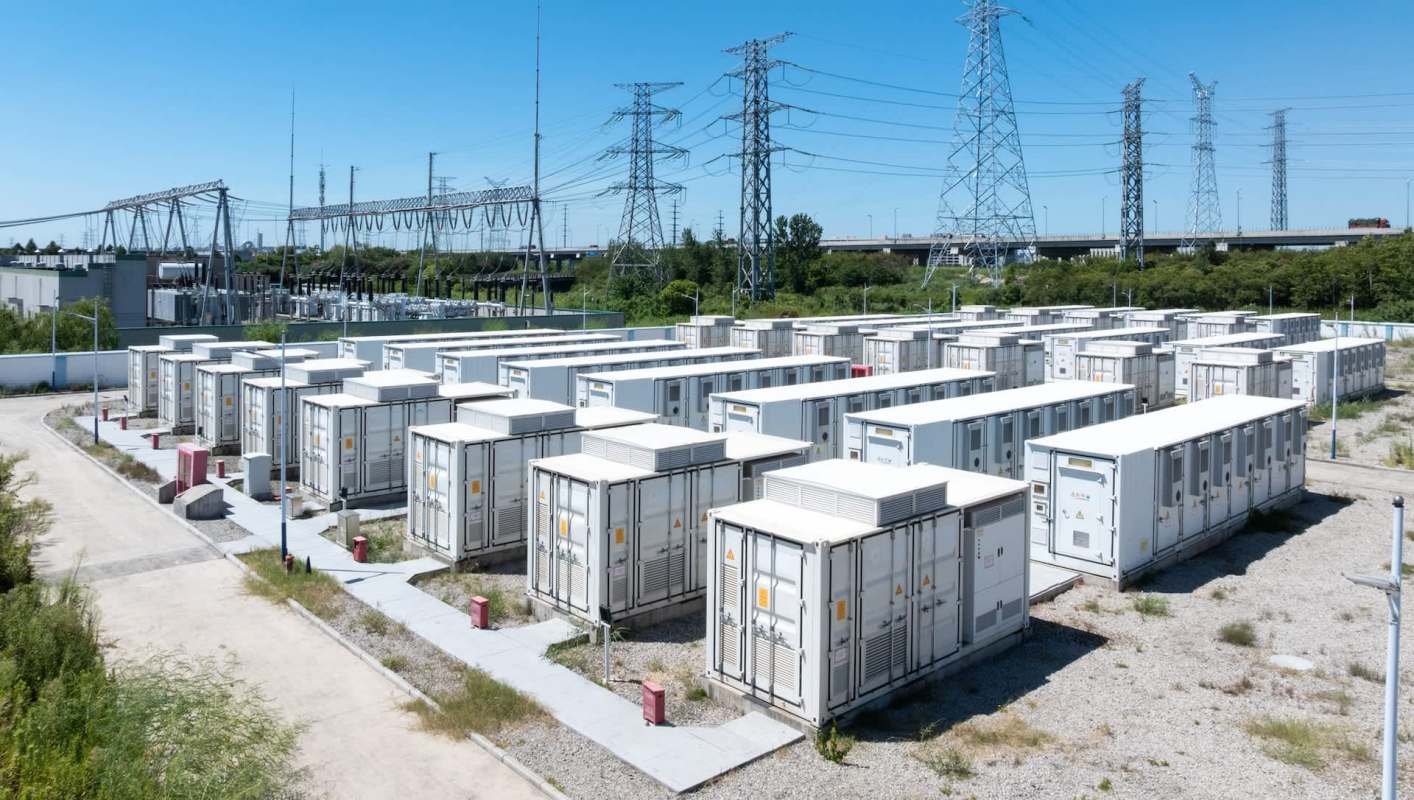
While Californians were getting ready for spring break in late March, the state quietly broke an energy grid record: For the first time, its battery fleet discharged more than 12,000 megawatts of power, roughly the output of 12 large nuclear plants.
That milestone meant batteries were supplying more than 40% of California's energy demand at the time, a major sign that the state's clean energy transition is moving from aspiration to everyday reality.
It also shows how battery storage is becoming a serious alternative to fuel-based power during the hours when people use the most electricity.
Ed Smeloff, an energy consultant with GridLab who closely tracks California grid data, told Inside Climate News that the biggest recent change has been the rapid build-out of grid-connected batteries.
Those batteries are now helping cover the evening peak, when solar output drops but household demand stays high. That shift matters because California has long relied on natural gas plants to fill that gap.
Carbon-free sources accounted for over 60% of California's electricity generation last year, as ICN reported, but rising demand is expected from electric vehicles, heat pumps, building electrification, and data centers.
TCD Picks » Quince Spotlight
💡These best-sellers from Quince deliver affordable, sustainable luxury for all




Smeloff said California will need more batteries and clean electricity generation to charge them if it wants to stay on track for 100% clean energy by 2045.
For residents, this kind of storage growth could mean a cleaner and more resilient grid, especially during peak evening hours when power has historically been more expensive. It also helps reduce exposure to the price swings and geopolitical shocks tied to oil and gas.
There are still big questions ahead. In the ICN interview, Smeloff said federal policy changes are creating uncertainty, especially as tax credits for wind and solar are phased out for projects not completed by 2030.
He described offshore wind as the most vulnerable part of California's clean energy pipeline. Solar, by contrast, is still moving fast because it remains one of the cheapest new power sources available.
If you're thinking about what this shift means at home, rooftop solar paired with efficient electric appliances can help lower utility bills while supporting a cleaner grid.
When paired with home batteries, adding solar panels to your home can also protect your family during blackouts. A report showed that power outages are getting longer as extreme weather events are becoming more frequent and severe.
Solar panels have a high price tag, but companies like EnergySage are helping homeowners save thousands of dollars with its free tools that can help you curate competitive bids from local installers. If the upfront cost is still too much, Palmetto's solar leasing program can get panels on your roof for $0 down.
Even though federal tax credits for solar panels were stripped away last year, Smeloff still sees a bright future for the popular clean energy source.
"Solar is doing very well just because of the magnitude of the solar industry internationally and in the United States," he told ICN. "Solar has become the least-cost new resource, so there's still a lot of momentum."

Get TCD's free newsletters for easy tips, smart advice, and a chance to earn $5,000 toward home upgrades. To see more stories like this one, change your Google preferences here.






