


Colorado's drought is impacting the natural landscape, and water scarcity is a major concern for residents. For the state's insect population, though, a lack of water could reshape the ecosystem.
What's happening?
CBS Colorado reported on the varied effects of drought on insects across the state.
"For some insects, stressed plants can actually mean more food," said Lisa Mason, an entomologist with Colorado State University Extension. "But for pollinators that rely on flowers, things might be a little tough."
As a result of the drought, trees are dying, which can be a boon to creatures like mountain pine beetles, per Mason. However, there's concern that grasshoppers could shift from their usual food sources to crops.
Mosquitoes depend on standing water for reproduction, so rainfall would be helpful for them. While persistent drought would theoretically create problems for the insects, warmer conditions would expand the reproductive window, allowing them to remain active for longer periods throughout the year.
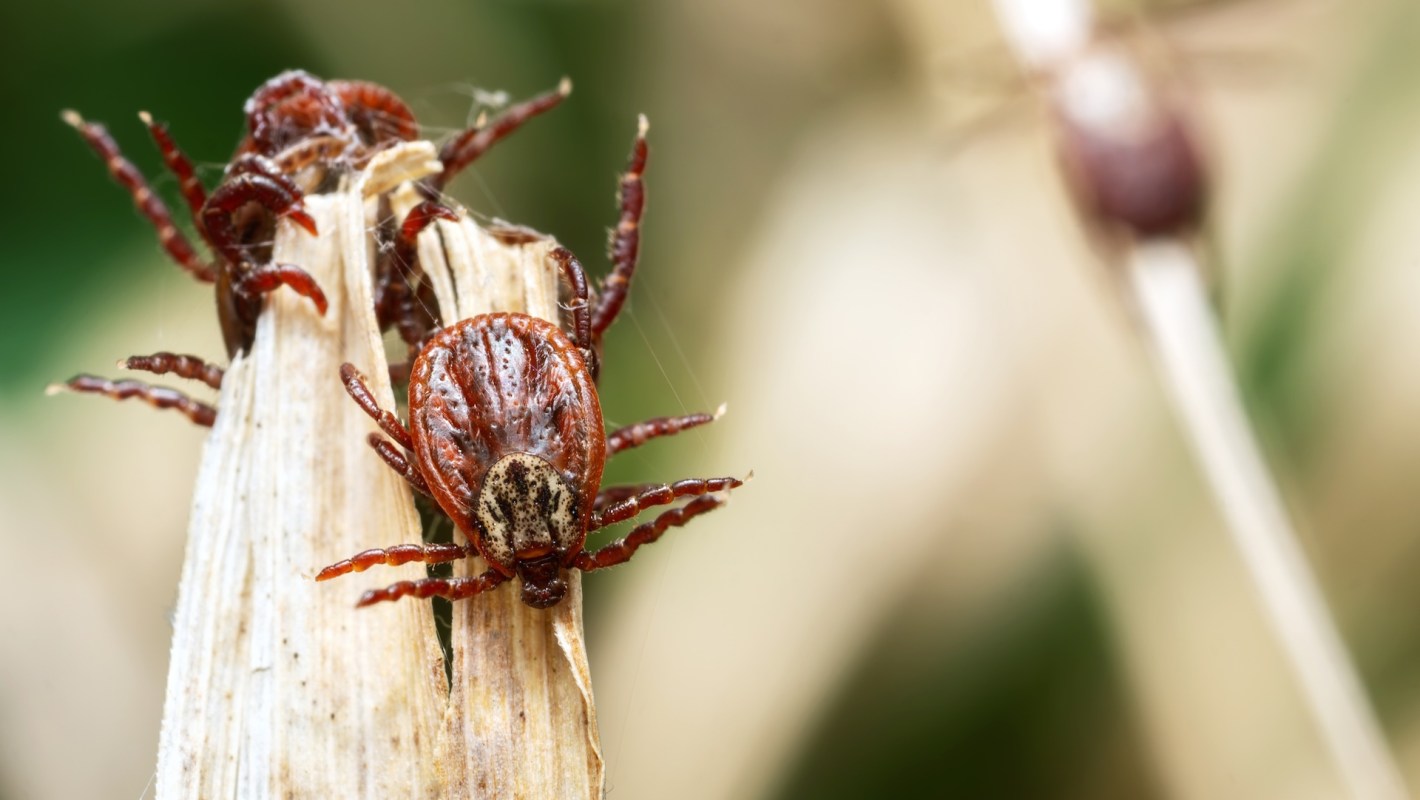
Ticks, on the other hand, don't need standing water to succeed.
TCD Picks » Quince Spotlight
💡These best-sellers from Quince deliver affordable, sustainable luxury for all




"The mild weather is perfect for ticks… we're seeing an earlier season," Mason said.
The weather is less good for pollinators like bees and miller moths, which is a major concern given their valuable role in the ecosystem.
Why is the drought's impact on Colorado's insects concerning?
Rising global temperatures are increasing the intensity and frequency of extreme weather, such as droughts.
Colorado's drought is already putting a strain on local communities. The conditions make agriculture challenging, and businesses and homes are having to limit water usage.
As CBS Colorado noted, the hot conditions and lack of rainfall can also have detrimental impacts on insects by helping out undesirable ones.
Ticks are already off to a strong year nationwide, with weekly ER visits at their highest levels since 2017.
On the flipside, there are real worries for bugs that locals want to see succeed, such as pollinators. The dry conditions not only threaten pollinator survival, but they could also push pests that feed on pollinators to switch to crops if they are deprived of their natural food sources.
What's being done about Colorado's insect population?
The biggest thing Coloradans can do to help pollinators is to add native plants to their backyards, if possible.
"Planting a variety of flowers, providing water, and leaving habitat spaces can really help," Mason told CBS Colorado.
Native plants also require less irrigation than non-native species, making them ideal when water supplies are low.
As for the undesirable bugs, such as ticks, taking precautions, like avoiding high-grass areas, covering exposed skin, and doing regular tick checks, are smart steps.

Get TCD's free newsletters for easy tips, smart advice, and a chance to earn $5,000 toward home upgrades. To see more stories like this one, change your Google preferences here.







