


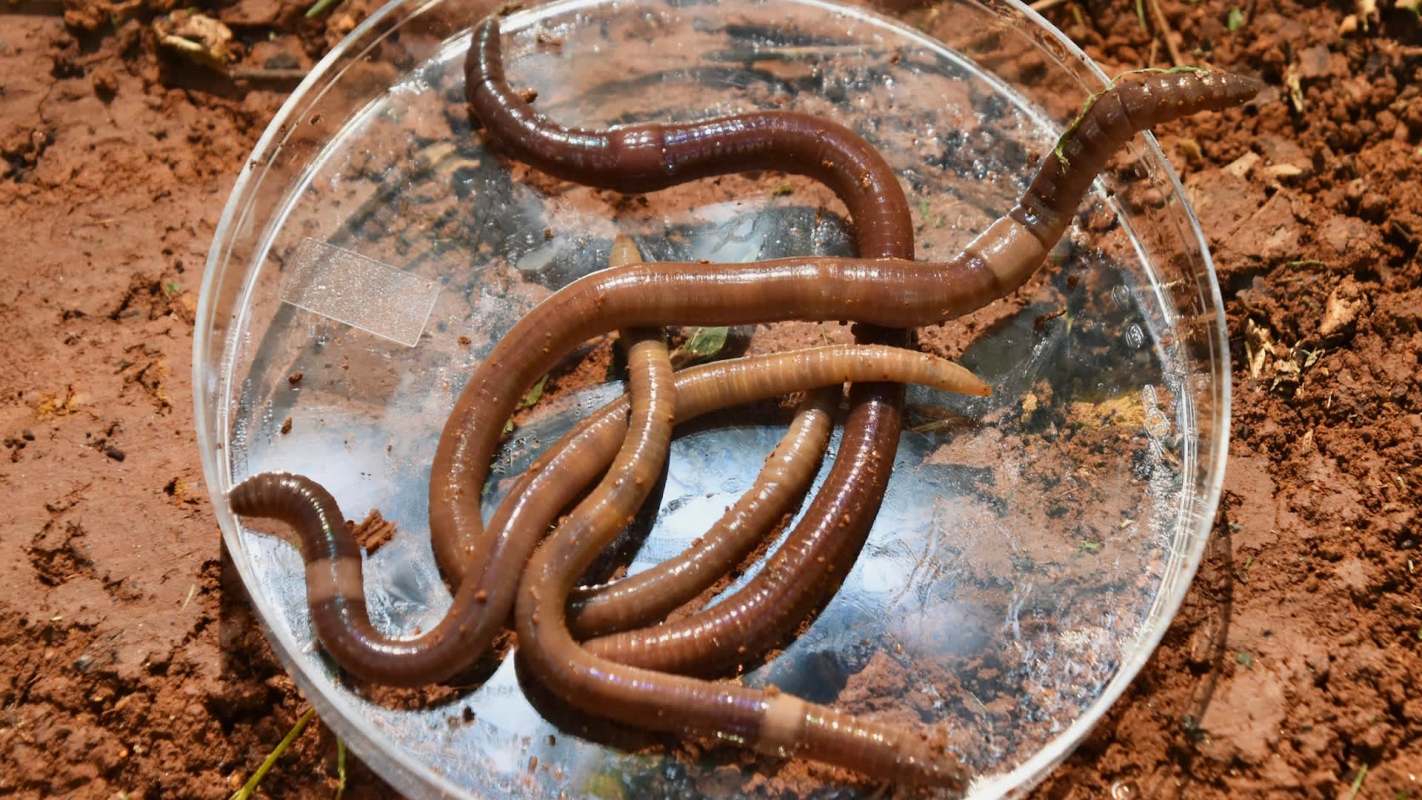
Agriculture officials are warning people to keep their eyes peeled for "crazy worms" jumping their way across the country.
The Colorado Department of Agriculture recently issued an Invasive Pest Alert for Asian jumping worms, asking residents to be on the lookout for the highly invasive worm that is also known as the "crazy worm" or "snake worm."
While the CDA just confirmed the presence of the destructive worm in Colorado last fall, it has been spreading rapidly across the Midwest and southern states for decades, and has been spotted as far west as California.
The reason they present such a problem is that the jumping worms live in the top couple of inches of soil, rapidly consuming organic matter and leaf litter, which is vital to support native vegetation. As they loosen the top layer of soil, it also exacerbates erosion.
In a video from the Minnesota Department of Natural Resources, Dr. Lee Frelich, director of the University of Minnesota Center for Forest Ecology, describes how jumping worms, which can reportedly jump up to a foot high, can be disastrous for ecosystems.
"Just from a person walking, the soil slides down the slope, so plants can't get rooted in it. And if the plants are destroyed, the whole plant-pollinator network goes down, and that's the base of the whole ecosystem," Frelich explained. "I never imagined an invasive species as horrific as these jumping worms."
TCD Picks » Quince Spotlight
💡These best-sellers from Quince deliver affordable, sustainable luxury for all




Not only do these worms destroy the soil, but once established in an area, they are nearly impossible to destroy, which is why the CDA is spreading awareness to stop the invasion before it starts.
"Preventing any spread of the jumping worm in Colorado is critical to protecting our state's healthy soil and native plants," said Wondirad Gebru, director of the plants division at the CDA. "Since there are no effective eradication methods, we are asking gardeners and landscapers to be vigilant, inspect their materials, and report any possible sightings to our agency."
Invasive species can wreak havoc on local ecosystems. There is currently a massive battle happening in Florida against Burmese pythons, which are eating their way through the Everglades, putting endangered species on the brink of extinction.
The U.S. Fish and Wildlife Service suggested in a recent news release that eating invasive species is an effective way to control their populations. The House of Representatives even passed legislation encouraging the use of blue catfish in pet food.
As for the Asian jumping worms, it's doubtful that many people will want to eat them. Frelich suggested reporting sightings of any invasive species, including the jumping worms, to EDD Maps.
You can spot them by their milky white band that is flush with the body. Another sign of infestation is that the surface of your soil looks sort of like coffee grounds.
The CDA suggests checking mulch or compost to ensure it has been heat-treated to at least 130 degrees Fahrenheit for three days, and not moving soil, compost, or potted plants from your yard if you suspect an infestation.

Get TCD's free newsletters for easy tips, smart advice, and a chance to earn $5,000 toward home upgrades. To see more stories like this one, change your Google preferences here.







