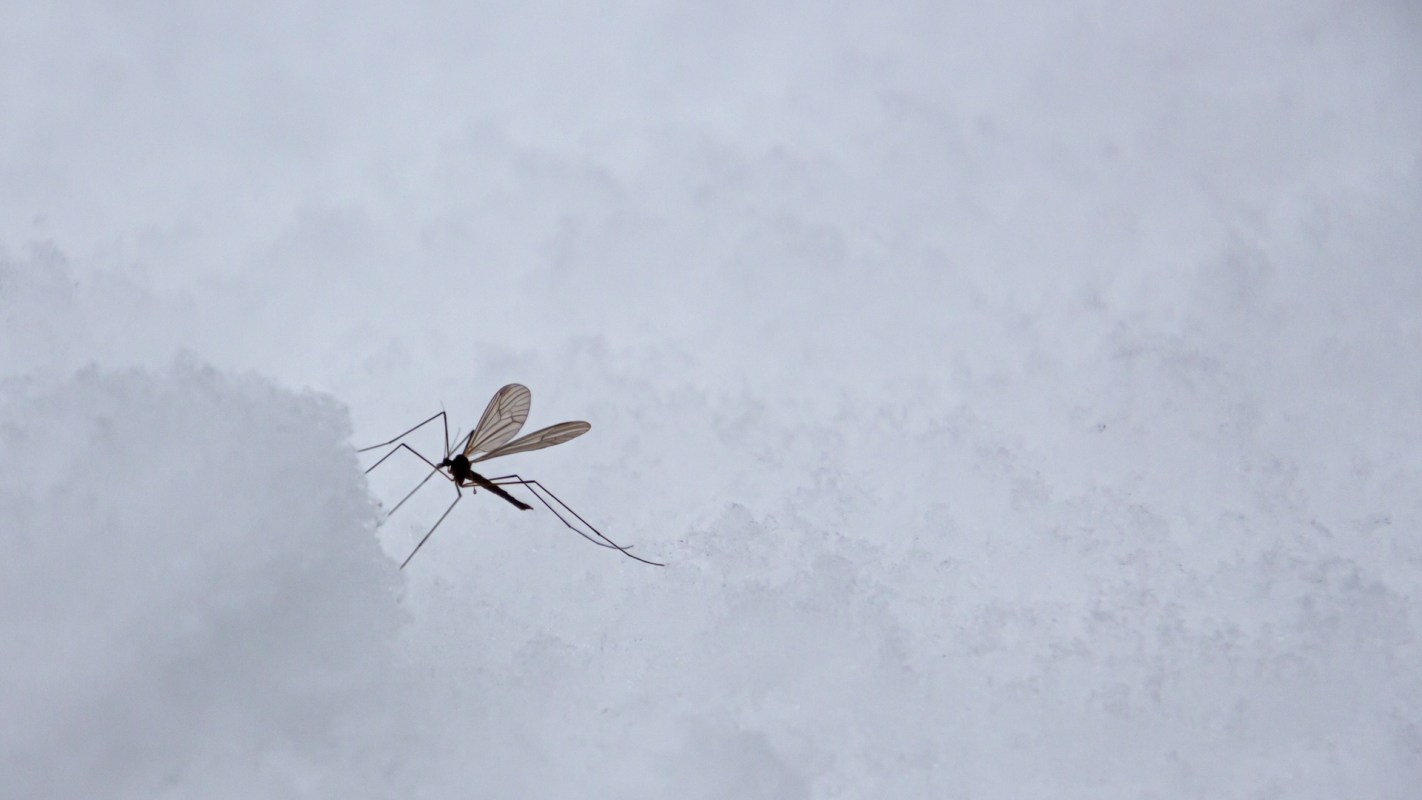
Mosquitoes have finally landed in Iceland for the first time ever — and their appearance is more than just an itchy nuisance.
According to Gizmodo, scientists said this tiny invader is a clear signal that Iceland's environment is shifting in unexpected ways.
The discovery was made last October, when insect enthusiast Björn Hjaltason found three mosquitoes — one male and two females — in his garden in Kiðafell, Kjós. The species was identified as Culiseta annulata, which is typically found across Europe, Central Asia, and North Africa.
Researchers believe the insects' arrival is likely linked to rising temperatures and increased global travel, which can allow species to spread in regions that were previously inhospitable.
It's still unclear whether mosquitoes will establish a permanent population in Iceland, but their presence alone is raising concern.
Despite their size, insects like mosquitoes play an important role in maintaining ecosystem balance.
TCD Picks » Quince Spotlight
💡These best-sellers from Quince deliver affordable, sustainable luxury for all




"They pollinate plants, recycle nutrients, regulate populations through parasitism, and sustain food webs that connect plants, wildlife, and people across the region," Arctic researchers Amanda Koltz and Lauren Culler explained in a recent editorial in the journal Science.
However, the arrival of new species or shifts in where existing species live can disrupt these delicate systems.
For example, if insects emerge earlier in the season, birds that rely on them for food may miss critical feeding windows, leading to fewer surviving chicks. In other cases, expanding insect populations can damage vegetation or increase stress on animals like caribou.
"What happens in the Arctic doesn't stay in the Arctic," Culler told Gizmodo. "Some of the ways that ecosystems are changing in the Arctic have feedbacks to the climate system that influence what's happening in the lower latitudes."
|
Which of these savings plans for rooftop solar panels would be most appealing for you?
Click your choice to see results and earn rewards to spend on home upgrades. |
 Save $1,000 this year 💸
 One of the biggest challenges now is tracking these changes. Researchers said there is no consistent, large-scale monitoring system for insects across the Arctic, making it difficult to fully understand the extent of these shifts.
"Across most parts of the Arctic, including Alaska, it's very challenging to detect species moving around. It's something that we need to do a better job of," said Koltz, per Gizmodo.
Still, scientists are working to improve monitoring efforts and strengthen international collaboration.
"Biological changes don't respect national boundaries, and effective science can't be confined by them either," Koltz added. "Enhancing biodiversity monitoring is a win-win."

Get TCD's free newsletters for easy tips, smart advice, and a chance to earn $5,000 toward home upgrades. To see more stories like this one, change your Google preferences here.