


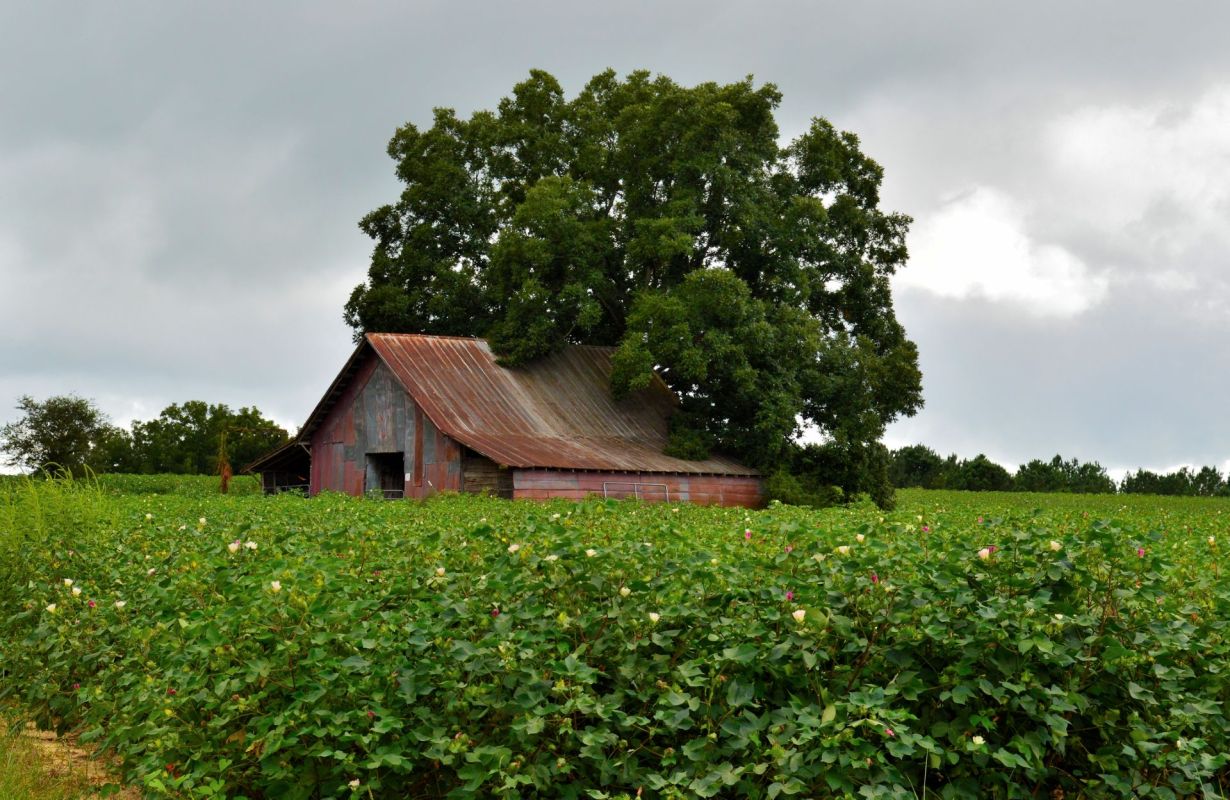
Agricultural officials are raising alarms after a destructive insect known as the cotton jassid spread across parts of the southeastern United States, threatening crops and livelihoods, RFDTV reported.
Experts warn the pest's expansion could have serious consequences for growers if not contained.
What's happening?
The cotton jassid — an invasive insect that feeds on cotton and other plants, explained here by Crop Science U.S. — has been detected in new areas across the Southeast. The pest damages crops by injecting toxins and extracting nutrients from leaves, causing discoloration and reduced yields, RFDTV reported.
While the insect has posed problems in other parts of the world, its spread into additional U.S. growing regions has sparked concern among officials and farmers alike. Cotton is a major crop in the Southeast, supporting rural jobs and local economies.
Why is invasive cotton jassid concerning?
Even at the best of times, invasive species can decimate local ecosystems by outcompeting native insects and disrupting food webs. When non-native pests enter a region without natural predators to keep them in check, their populations can grow rapidly and become hard to control.
A species like this one that directly affects crops is even more worrisome. Growers worry that if the insect establishes itself widely, it could increase production costs, and severe infestations could mean substantial yield losses.
TCD Picks » Quince Spotlight
💡These best-sellers from Quince deliver affordable, sustainable luxury for all




"We do feel like it will be an issue, a new insect pest that we'll have to combat this growing season," said Josh Lee, assistant professor and extension specialist at Auburn University, per RFDTV.
Beyond the effects on farmers and consumers, the spread of invasive insects can strain natural resources. Heavier pesticide use can harm soil health and pollute nearby waterways.
What's being done about cotton jassid?
So far, experts are helping educate farmers on how to spot the insect and what signs to look for to identify a potential infestation.
"We're going to need a scout for it diligently from the time that that cotton is up until about two weeks before it gets harvested," said Danielle Sekula with Texas A&M AgriLife Extension, per RFDTV.
|
Which of these savings plans for rooftop solar panels would be most appealing for you?
Click your choice to see results and earn rewards to spend on home upgrades. |
 Save $1,000 this year 💸
 "Work is being done now to figure out what they're hosting on, where they're at this winter, and maybe what time that they're going to come in. But those are some unknowns that we don't know until '26 season," Lee added.
For farmers, encouraging beneficial insects, rotating crops, and planting resistant varieties are some methods to fight invasive pests. Individuals can help by reporting sightings to appropriate authorities and supporting conservation initiatives that help slow the spread of invasive species.

Get TCD's free newsletters for easy tips, smart advice, and a chance to earn $5,000 toward home upgrades. To see more stories like this one, change your Google preferences here.







