


Massive electric bills have rapidly become the center of an ongoing cost-of-living crisis, but a striking PBS investigation showed how severe the issue has become in parts of West Virginia.
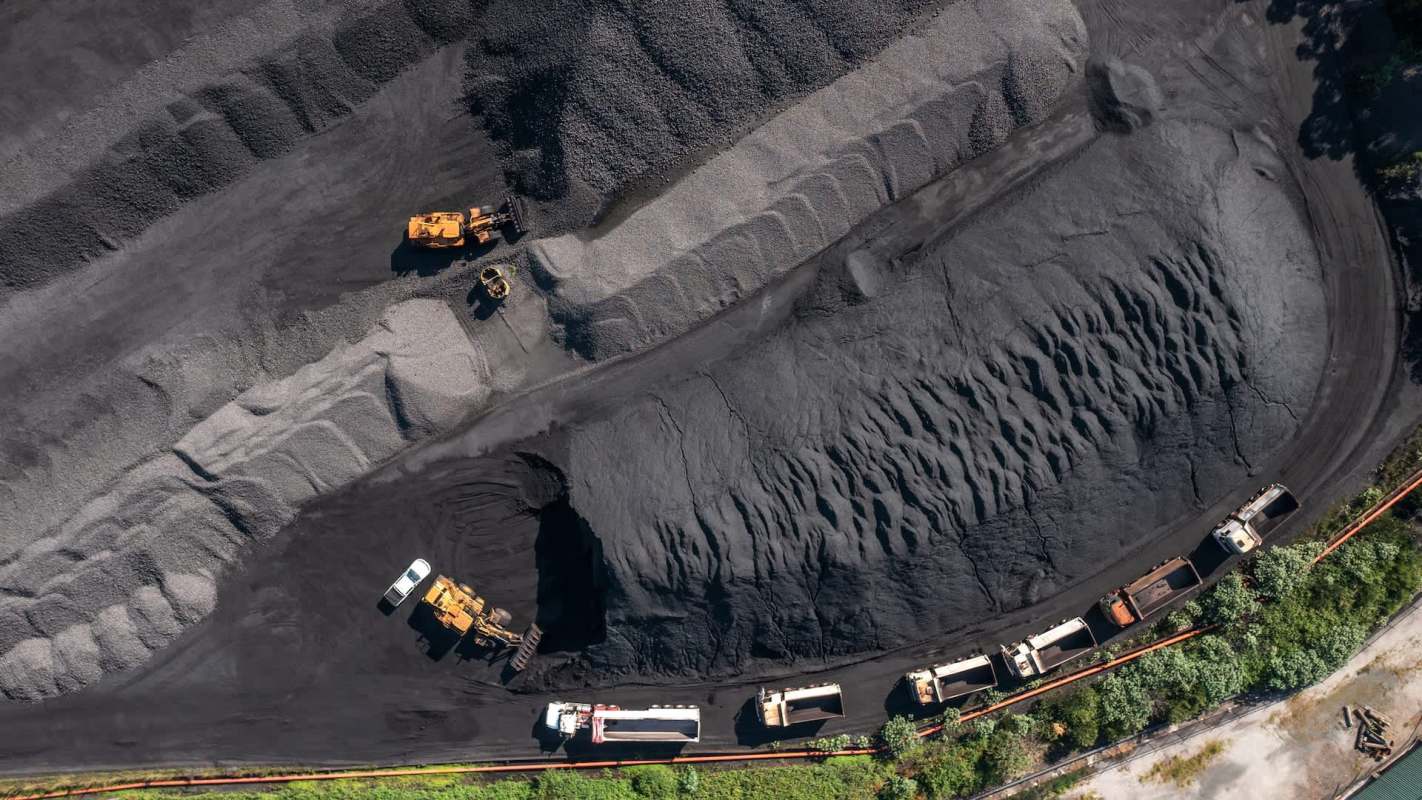
Historically, West Virginia has been known as "coal country" because of its massive natural coal reserves and a long-running association with the coal industry.
"Coal remains king here, but it wears a pricey crown," the outlet observed.
PBS spoke with several residents struggling to contend with electric bills that often exceed their monthly rent or mortgage payments, including Rainelle resident Rebecca Michalski.
Michalski's income is fixed, and she has taken steps to drastically reduce her electricity usage, such as relying on a single lamp with an energy-efficient light bulb at night. Nevertheless, her February bill was $940.08, exceeding her entire monthly income.
Of course, Michalski is not the only person unable to afford necessities like electricity and heat, but according to PBS, those costs don't seem likely to abate anytime soon.
TCD Picks » Quince Spotlight
💡These best-sellers from Quince deliver affordable, sustainable luxury for all




Citing data from the Labor Department's Consumer Price Index, PBS reported that electricity costs were up nearly 5% in February, with natural gas up almost 11% — increases that preceded the Iran war, the Strait of Hormuz's closure, and an ensuing energy shock.
PBS described the causes behind utility price increases as varied and complex, with two primary issues at the fore: the federal government's decision to force "unprofitable coal-powered plants to remain open" and data center energy demand.
Following the collapse of peace talks in Iran and the high probability of even higher costs, households face indefinite uncertainty and the prospect of shut-offs.
"They come and cut off your power. Then you're sitting in the dark. And I see that happening. And I think for a lot of other people, it's gonna happen too," Michalski predicted.
|
Which of these savings plans for rooftop solar panels would be most appealing for you?
Click your choice to see results and earn rewards to spend on home upgrades. |
 Save $1,000 this year 💸
 Dollar General store manager Ashley Nicole Dixon showed PBS utility bills "totaling more than $5,000" from 2025.
Like many Americans, Dixon can't use less heat or power to keep up with year-over-year spikes.
"I have no choice. It has to be paid. And that's what makes me sick because now I'm going to have to go … take more money out of my savings account just to keep the lights on."

Get TCD's free newsletters for easy tips, smart advice, and a chance to earn $5,000 toward home upgrades. To see more stories like this one, change your Google preferences here.






