


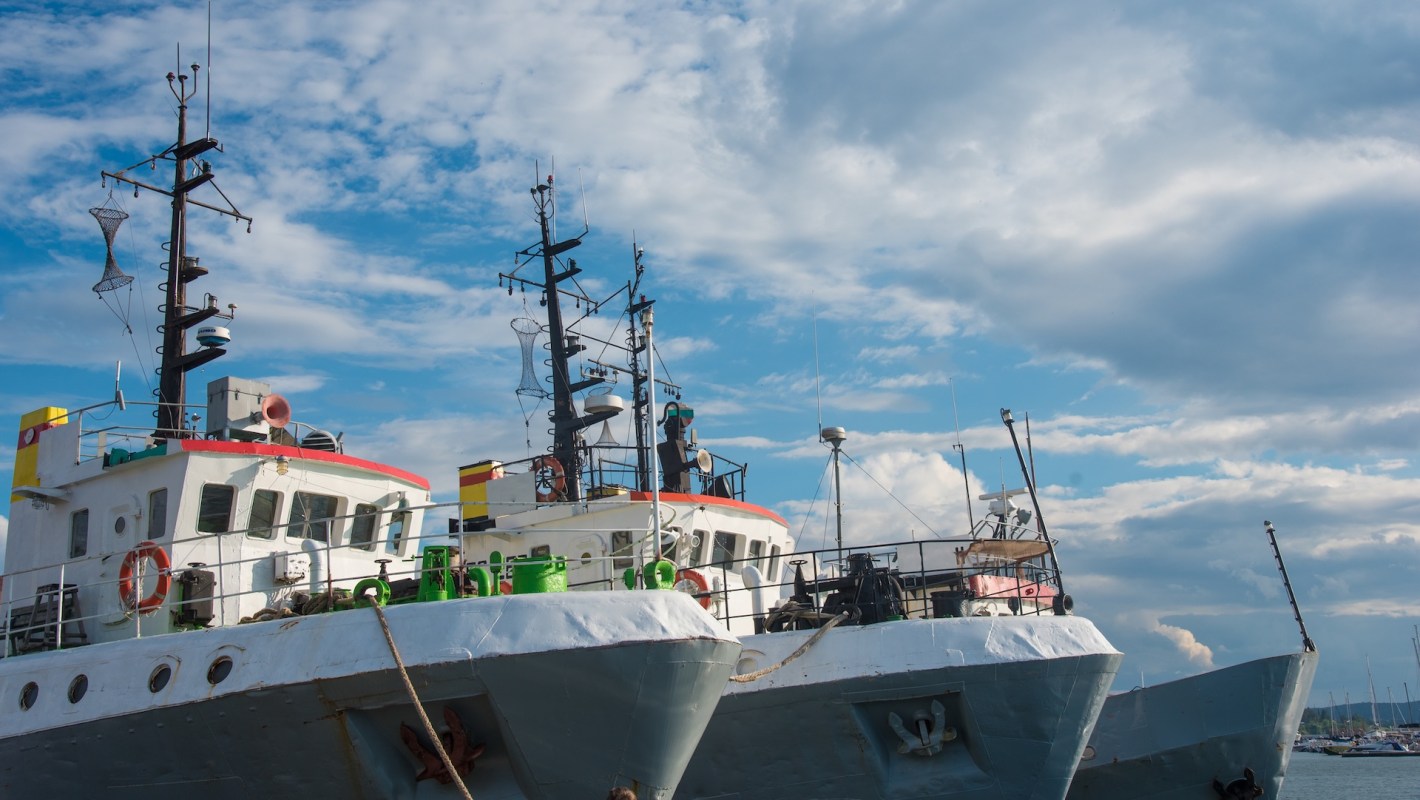
A council has voted to restore commercial fishing access across several protected Pacific marine national monuments in the United States, raising significant environmental and cultural concerns.
What's happening?
The National Fisherman reported that after listening to public comments, the Western Pacific Regional Fishery Management Council voted in favor of reopening portions of the Pacific Islands Heritage, Rose Atoll, Mariana Trench, and Papahānaumokuākea Marine National Monuments to federally managed commercial fisheries.
The council manages fisheries in federal waters around Hawai'i, American Samoa, Guam, the Commonwealth of the Northern Mariana Islands, and the Pacific Remote Islands. Its stated mission is "to ensure responsible, sustainable fisheries that support local economies, uphold indigenous resource stewardship, and contribute to the nation's food security."
"This is not about removing monument protections — it's about restoring sustainable fishing in limited areas under fishery regulations the council has developed over decades," Executive Director Kitty Simonds said in a press release. "Those regulations were built to balance access and conservation, and that remains the council's guiding principle under the Magnuson-Stevens Act."
Why is the decision significant?
The decision had both public support and opposition. While the decision brings benefits, habitat disruption, overfishing, and commercial fishing gear are leading causes of death for marine species.
Those in support cited economic pressures on local fishers, food security, and reliance on imported seafood amid declines in domestic production.
TCD Picks » Quince Spotlight
💡These best-sellers from Quince deliver affordable, sustainable luxury for all




Opponents raised environmental concerns about protected species and ecosystem effects, as well as the cultural significance of monument areas, especially Papahānaumokuākea.
"America is opening up its vast marine protected areas to the industrial fishing industry," a user wrote in a post to the social platform X, sharing the release of the council's decision. "Pretty sure nobody in America voted for this abomination."
What's being done to ensure protection in these areas?
The council said that fishing activity would be subject to strict federal oversight, including permits, reporting requirements, area closures, gear restrictions, catch limits, and safety measures for species.
While environmental advocates recognize the necessity of supporting an economy reliant on fishing, there remains potential for significant conservation efforts. Engaging in initiatives that prioritize sustainable fishing practices can help maintain fish populations and support local industries.
|
Which of these savings plans for rooftop solar panels would be most appealing for you?
Click your choice to see results and earn rewards to spend on home upgrades. |
 Save $1,000 this year 💸
Get TCD's free newsletters for easy tips to save more, waste less, and make smarter choices — and earn up to $5,000 toward clean upgrades in TCD's exclusive Rewards Club.







