


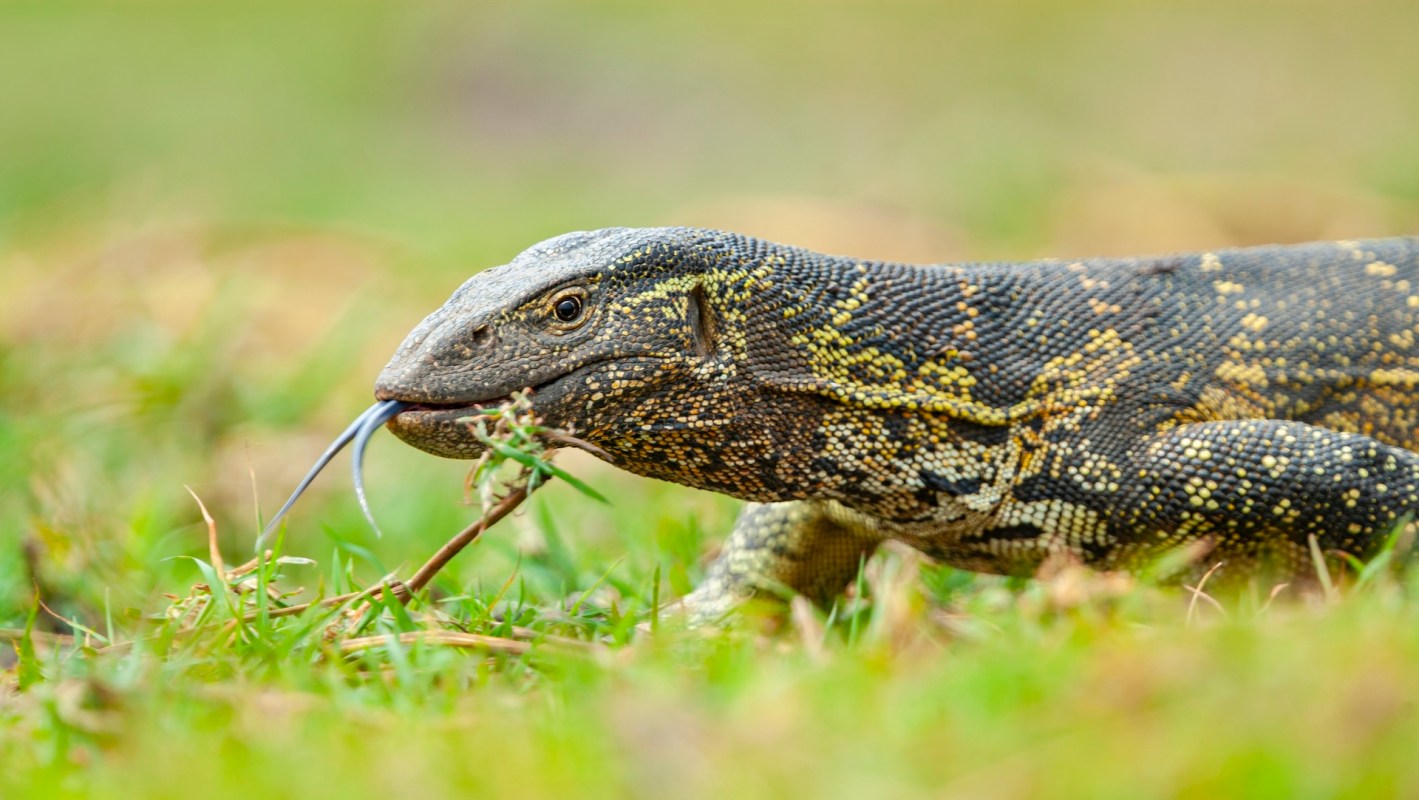
Florida is no stranger to invasive species making their unwelcome presence known to locals. Among the undesirable visitors are Nile monitors, which are wreaking havoc in Cape Coral.
What's happening?
Gulf Coast News reported on the anecdotal experiences of Cape Coral residents in their neighborhoods. These lizards are native to Sub-Saharan Africa, but they've made themselves at home in local canals, backyards, and even homes.
"Corner of my eye, I see this huge monster running in my house straight to the back door," resident Alane Passero recalled. "I'm screaming my head off."
Not everyone has such a close encounter with them. The Florida Fish and Wildlife Conservation Commission noted they can reach up to about 18 pounds and almost seven feet. However, Gulf Coast News said that their "secretive and timid nature" can keep their presence under wraps.
Even if humans don't encounter them, their presence is bad news. They are omnivores that can outcompete local animals for food, eat animal eggs, and attack local pets, per the FWC.
"It's a terrible thing to have around here," Cape Coral resident Jack Schwartz told Gulf Coast News. "And I really think that's what we should be focusing on, and not so much the iguanas."
TCD Picks » Quince Spotlight
💡These best-sellers from Quince deliver affordable, sustainable luxury for all




Why is Cape Coral's Nile monitor infestation concerning?
The Nile monitors are not only a nuisance to residents because they eat plants, burrow in property, and make surprise visits; they also threaten local endangered wildlife. The FWC emphasized that Cape Coral hosts the largest population of burrowing owls in the state.
Like other invasive species, their arrival can cause a chain reaction of unwanted impacts on the ecosystem with devastating results for native species. In this case, Nile monitors' adaptability, wide-ranging diet, and high reproduction rate mean they can simply take over areas like Cape Coral.
If left unchecked, that could harm a number of state- and federally-listed species.
What's being done about Cape Coral's Nile monitor infestation?
Nile monitors aren't protected in Florida, and landowners are permitted to humanely kill them or have someone else do the deed on their property. That holds true on Commission-managed lands in the region as well.
|
Which of these savings plans for rooftop solar panels would be most appealing for you?
Click your choice to see results and earn rewards to spend on home upgrades. |
 Save $1,000 this year 💸
 The FWC is patrolling for the lizards in the area, and the city of Cape Coral has a trapping removal program targeting Nile monitors that are observed by residents. For that reason, reporting sightings is important to help get the situation under control.
It is also imperative that residents not release them into the wild, even if they no longer want to or are unable to care for them. Florida operates the Exotic Pet Amnesty Program that allows pet owners a punishment-free way to get rid of Nile monitors, even if they were kept illegally.

Get TCD's free newsletters for easy tips to save more, waste less, and make smarter choices — and earn up to $5,000 toward clean upgrades in TCD's exclusive Rewards Club.







