


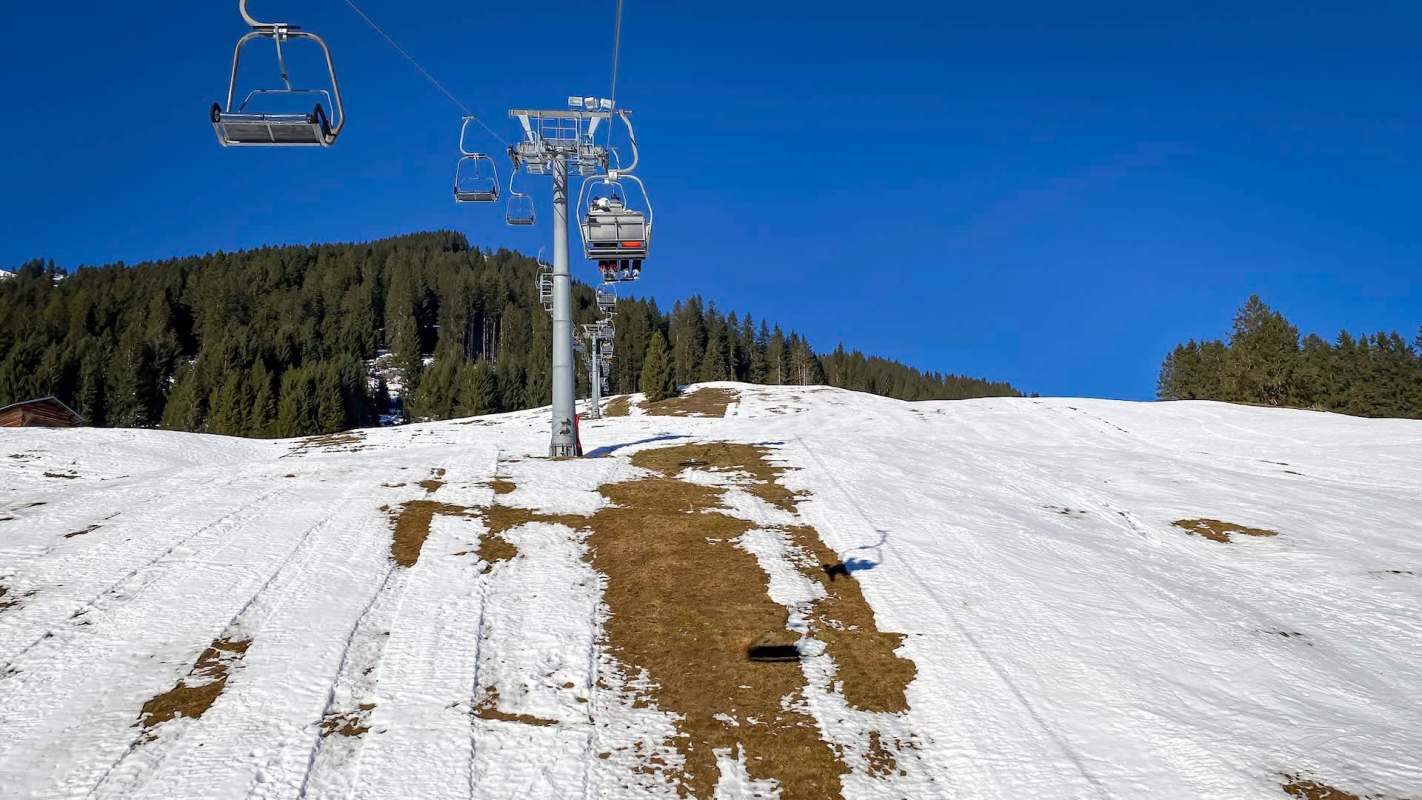
For many ski resorts in the West, the past snow-drought-laden winter couldn't end quickly enough. Appropriately, for one Idaho resort, its operations are coming to a close three weeks earlier than typical.
What's happening?
Pebble Creek Ski Area took to its Instagram account to announce it was closing its doors early.
"The 2025-2026 season was one for the record books, but not in the way we hoped," the caption read.
It tried to accentuate the positives by celebrating some achievements from the season. Despite the region's snow drought, the resort operated for 49 days, employed 122 people, and taught 1,116 ski and snowboard lessons.
"We did it all with a total accumulation of only 54 inches of snow throughout the entire season," it wrote. "Our whole crew worked hard day and night to keep things going."
Pebble Creek also turned 4,150 pounds of local potatoes into french fries, befitting the Idaho reputation.
TCD Picks » Quince Spotlight
💡These best-sellers from Quince deliver affordable, sustainable luxury for all




To pull off keeping a mountain open, the resort also had to use a lot of resources, including 2,500 gallons of diesel for grooming and pumping 2.6 million gallons of water to deploy for snowmaking.
As Powder noted, the resort opened in a limited capacity Jan. 5 before expanding access four days later. It was a bumpy ride from there, with glimmers of hope like some big storms mixing in with droughts that pushed the mountains to close sections off at times.
Why are Pebble Creek's struggles important?
The lack of snow for Pebble Creek is far from an isolated issue. Ski areas across the West faced similar challenges due to region-wide snow drought.
Rising temperatures and reduced snowfall threaten not just recreation but also public health, community safety, and economic stability. While Pebble Creek did an admirable job of retaining employees and keeping operations going, many local workers and resort towns can only manage for so long.
|
Which of these savings plans for rooftop solar panels would be most appealing for you?
Click your choice to see results and earn rewards to spend on home upgrades. |
 Save $1,000 this year 💸
 The problems can also stretch well past the winter when the shrinking snowpack can negatively impact the local ecosystem and communities. It can mean less reliable drinking water and reduced water supplies for agriculture and other parts of the local economy.
It can also make surrounding areas more susceptible to wildfires.
What's being done about the struggles of ski resorts?
Residents can do their best to support local resorts by visiting them when they are open.
The biggest thing that can be done about snow drought is trying to combat the factors that lead to rising global temperatures.
Reducing reliance on polluting energy sources like oil and gas in favor of alternatives like wind and solar is one move. Another is electrifying transportation with electric vehicles.

Get TCD's free newsletters for easy tips to save more, waste less, and make smarter choices — and earn up to $5,000 toward clean upgrades in TCD's exclusive Rewards Club.







