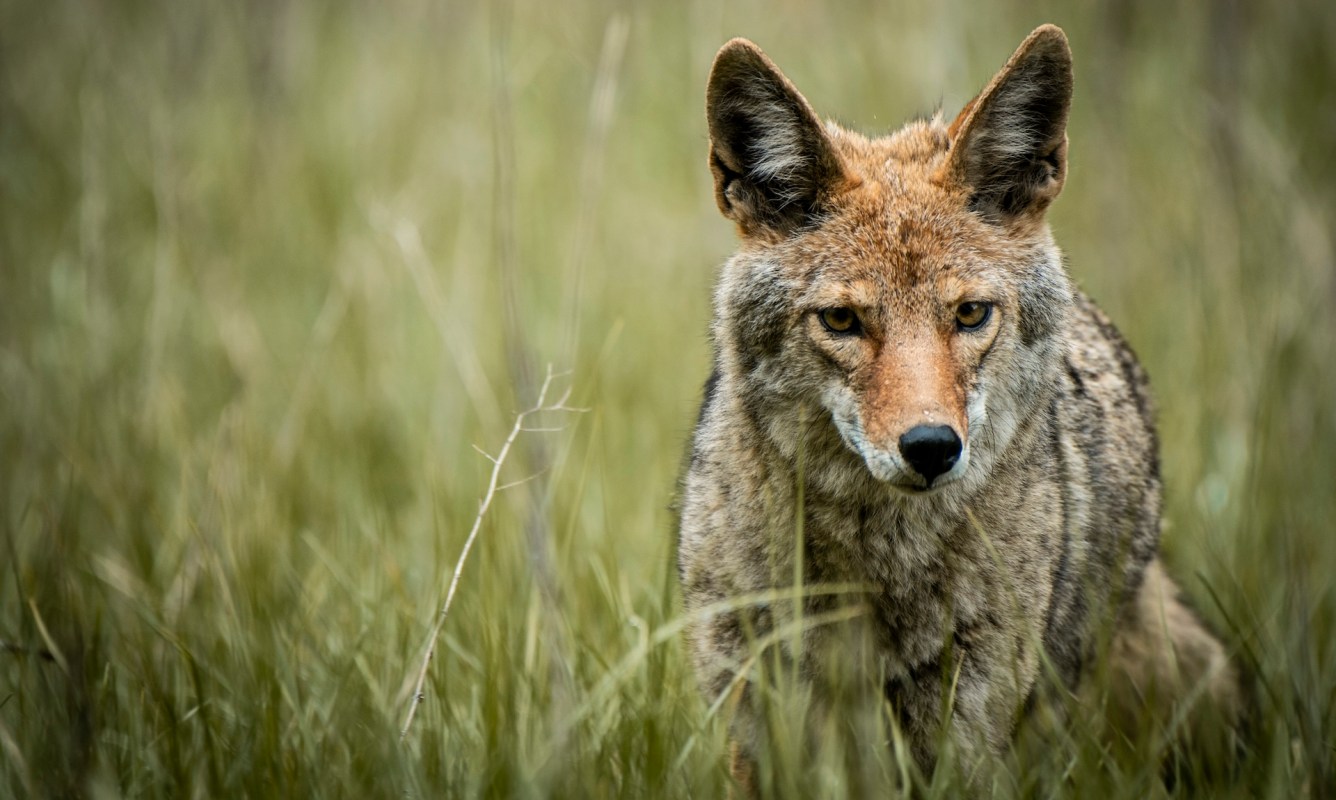
Authorities in Lane County, Oregon, are urging the public to be vigilant following a concerning increase in coyote encounters, which recently resulted in the euthanization of at least one animal — a decision they say could have been avoided.
What's happening?
There has been an increase in coyote sightings at Howard Buford Recreation Area at Mount Pisgah, including 30 in January, with many near parking lots and busy trailheads rather than in more remote areas, according to The Oregonian.
After analyzing coyote scat, biologists with the Oregon Department of Fish and Wildlife found traces of man-made pet food and other human-sourced items, confirming that the animals had become reliant on people for food.
As a result, at least one coyote that repeatedly approached visitors had to be euthanized, with officials cautioning that more could follow if the behavior persists.
"The removal of one and possibly more coyotes from the park was a difficult and heart-breaking decision to make," Parks Manager Brett Henry said in a Lane County news update. "But we have to consider the safety of park visitors and, unfortunately, the choice some visitors have made to feed these wild animals and encourage them to see people as a source of food created a dangerous and untenable situation."
Why is this concerning?
When wild animals begin associating humans with food, their natural instincts change, often in ways that put both people and animals in danger.
TCD Picks » Quince Spotlight
💡These best-sellers from Quince deliver affordable, sustainable luxury for all




Coyotes that lose their fear of people are more likely to approach homes, pets, and even children. While these encounters may seem harmless at first, they can escalate quickly.
In rare but sobering cases, the consequences can be tragic. In Glendale, California, a 3-year-old child was killed in 1981 after coyotes in the area had been fed by residents.
This kind of human-wildlife conflict is becoming more common as development expands into natural habitats and food sources become less predictable.
Beyond immediate safety concerns, these situations also disrupt ecosystems. Removing animals, even as a last resort, can destabilize local populations and reduce biodiversity over time.
|
Which of these savings plans for rooftop solar panels would be most appealing for you?
Click your choice to see results and earn rewards to spend on home upgrades. |
 Save $1,000 this year 💸
 What's being done about it?
Nonlethal measures like hazing, or using noise or movement to scare animals away, are often ineffective once animals become accustomed to humans. Relocating coyotes is also not considered humane, as they may struggle to survive or be killed in unfamiliar territory.
Ultimately, prevention is the most effective approach. This involves never feeding wildlife and ensuring all garbage and food scraps are securely contained.

Get TCD's free newsletters for easy tips to save more, waste less, and make smarter choices — and earn up to $5,000 toward clean upgrades in TCD's exclusive Rewards Club.