


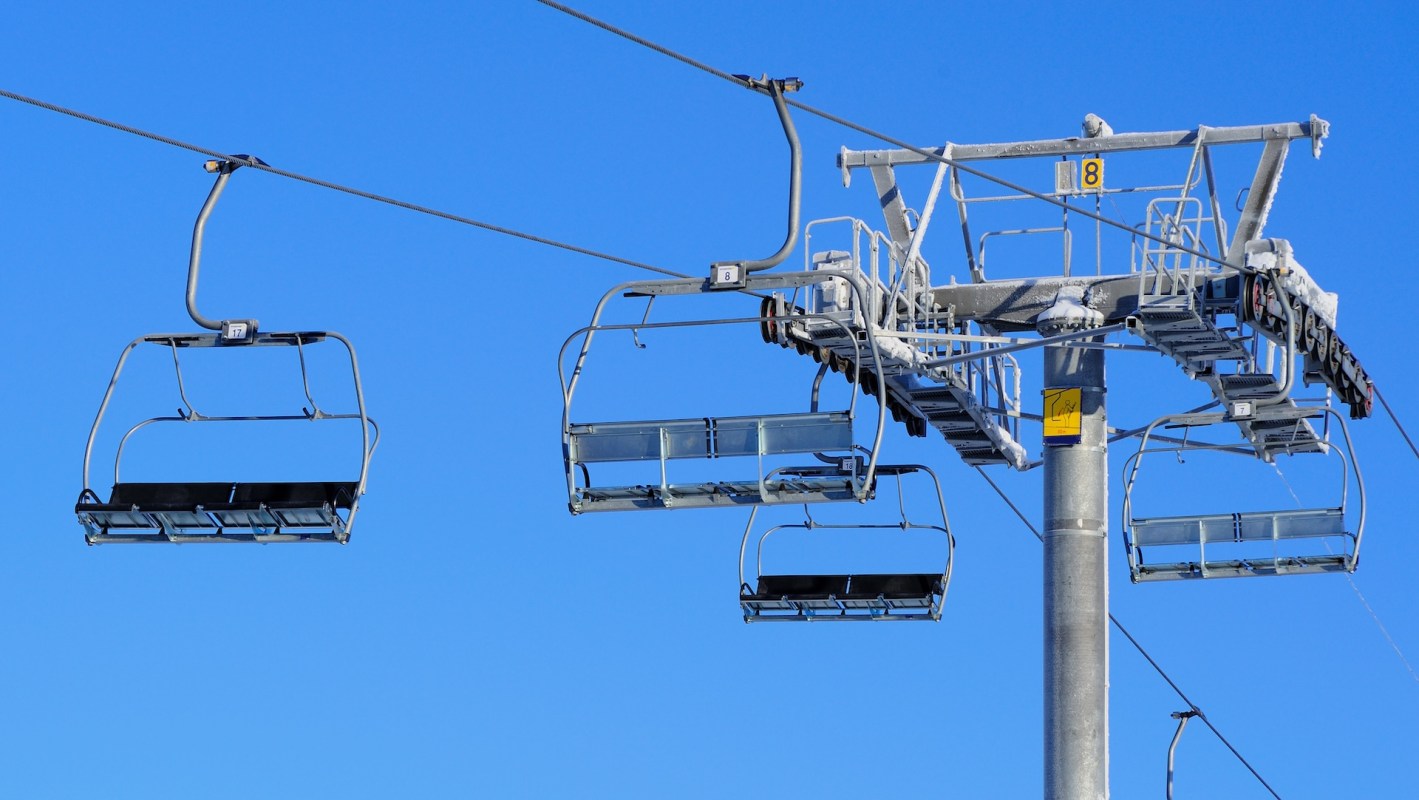
It's been all downhill for a pair of California ski resorts that closed earlier than planned.
What's happening?
Western ski resorts have struggled to stay open this winter.
Now, according to SFGate, the slopes at Mt. Shasta Ski Park and Dodge Ridge shuttered for the season in mid-March because of unseasonably warm weather.
In McCloud, where Mt. Shasta Ski Park is located, snow was so scarce that season pass holders couldn't claim their 60 days of guaranteed skiing and snowboarding. The resort had temporarily closed in February because of rain. As a result, the ski park will issue credits for the remaining days.
As for Dodge Ridge, it said it hoped to stay open beyond March 15.
To this point, though, significant snowfall to support a reopening seems unlikely. On March 16, the National Weather Service announced record-high temperatures in the Bay Area. "As of right now, there are still no clear signs of a bigger snowstorm. Just a chance for some refreshes of the snow currently on the ground," Palisades Tahoe added in its weekly weather report.
TCD Picks » Quince Spotlight
💡These best-sellers from Quince deliver affordable, sustainable luxury for all




Why is this concerning?
Unseasonably warm weather can happen, but this year's disappointing conditions are part of a broader global trend. In the U.S., winter temperatures have warmed by 3.9 degrees on average from 1970 to 2025, according to Climate Central, which analyzed 244 cities.
This warming can worsen pest-related health risks, lengthen allergy season, and threaten water supplies. As seen in California and elsewhere, it also throws a wrench into the economic engine of regions dependent on winter tourism, including local restaurants, hotels, and rental shops.
What's being done about this?
Ski resorts can supplement natural snowfall with artificial snow, but this requires significant resources. According to KOAA, for example, officials estimated they'd need 250 million gallons of water to produce machine-made snow for the Milan Cortina 2026 Winter Olympic Games.
Additionally, snow machines that run on fuels like gas spew air pollution, driving the winter warming trend. In light of this issue, the Games' organizers relied heavily on renewable sources to produce artificial snow while also eliminating harmful chemical additives.
In the meantime, many struggling ski resorts are promoting hiking, biking, and other snowless activities to make their parks year-round destinations.
|
Which of these savings plans for rooftop solar panels would be most appealing for you?
Click your choice to see results and earn rewards to spend on home upgrades. |
 Save $1,000 this year 💸
Get TCD's free newsletters for easy tips to save more, waste less, and make smarter choices — and earn up to $5,000 toward clean upgrades in TCD's exclusive Rewards Club.







