


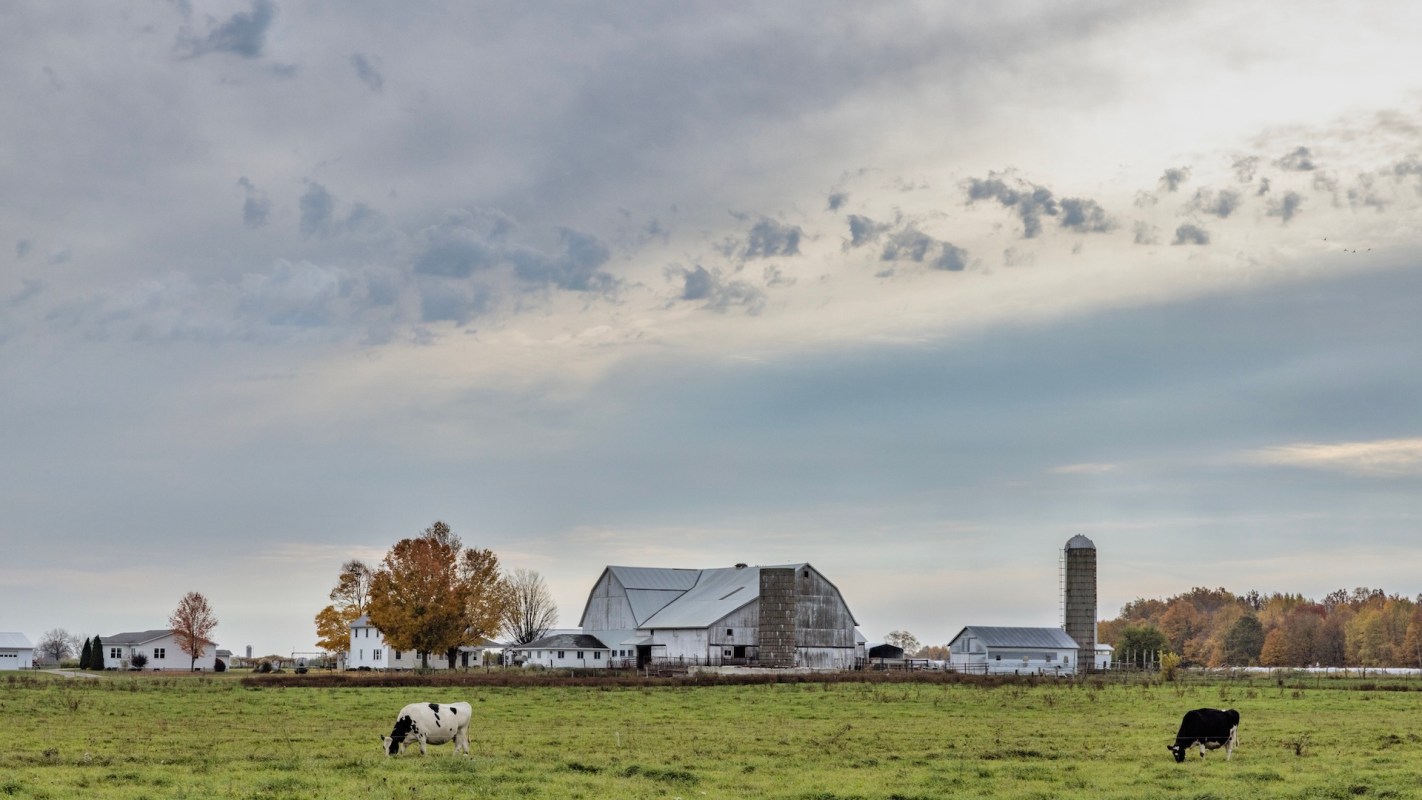
Milk may do the body good, but everyday shoppers in Canada could soon be paying more for the breakfast staple and questioning whether it is worth the cost. CBC reported that a price increase would be due to a "trickle-down effect," as one dairy farmer explained.
What's happening?
St. John's dairy farmer Crosbie Williams shared with the CBC Radio show Newfoundland Morning that milk production costs are surging due to labor costs and other uncontrollable factors.
"Climate-related crop failures are a big one today that the farmers across the country deal with. [The] supply chains issue now, related to COVID, have never gone away, have never really corrected themselves," Williams said. Inflation is also influencing production costs, along with Newfoundland and Labrador producers' reliance on a ferry system.
In response, the Canadian Dairy Commission adjusted its national pricing formula. According to CBC, the farm price for milk officially rose by 2.32% on Feb. 1.
Why is this important?
Not unlike its neighbor to the south, Canada is seeing its food prices rise faster than inflation.
To be sure, soaring prices have burdened Americans, some of whom are managing their stress by meticulously making grocery lists to prevent waste and taking advantage of services that sell essentials at discounted rates. Still, TD Economics noted that price hikes "hit harder" in Canada, where a greater portion of the typical household budget goes toward groceries.
TCD Picks » Quince Spotlight
💡These best-sellers from Quince deliver affordable, sustainable luxury for all




While the Canadian Dairy Commission's amendment to its national pricing formula is set to give farmers some relief by ensuring they receive more for their milk, consumers could pay the price.
"Sometimes the dairy companies will pass on that increase, sometimes they don't. Do I think they will this year? They may. I guess it will be seen here in the marketplace soon," Williams told CBC. "But I think everybody realizes today, given inflation and what's happening in the marketplace in whatever business you are in, is that that's now our reality."
What's being done about this more broadly?
Farmers face numerous stressors, but volatile weather is an increasingly pressing concern. In Bayer's latest Farmers Voice survey, the majority of respondents said they were worried about climate change and reported "significant revenue losses due to weather events out of the norm."
To reduce pollution associated with unpredictable weather, agrivoltaics is emerging as a way to power operations, boost farmers' incomes, and provide extra protection from the elements. Drip irrigation, meanwhile, can slash water bills and support crop growth under harsh conditions.
|
Which of these savings plans for rooftop solar panels would be most appealing for you?
Click your choice to see results and earn rewards to spend on home upgrades. |
 Save $1,000 this year 💸
 The relationship between food production and prices is complex, but tools like these can help stabilize food systems and promote food security in the long term.
"The price of food in this country is going up, and we are doing our best to curtail these expenses. And I think, honestly, we're doing a good job," Williams told CBC Radio.

Get TCD's free newsletters for easy tips to save more, waste less, and make smarter choices — and earn up to $5,000 toward clean upgrades in TCD's exclusive Rewards Club.







