


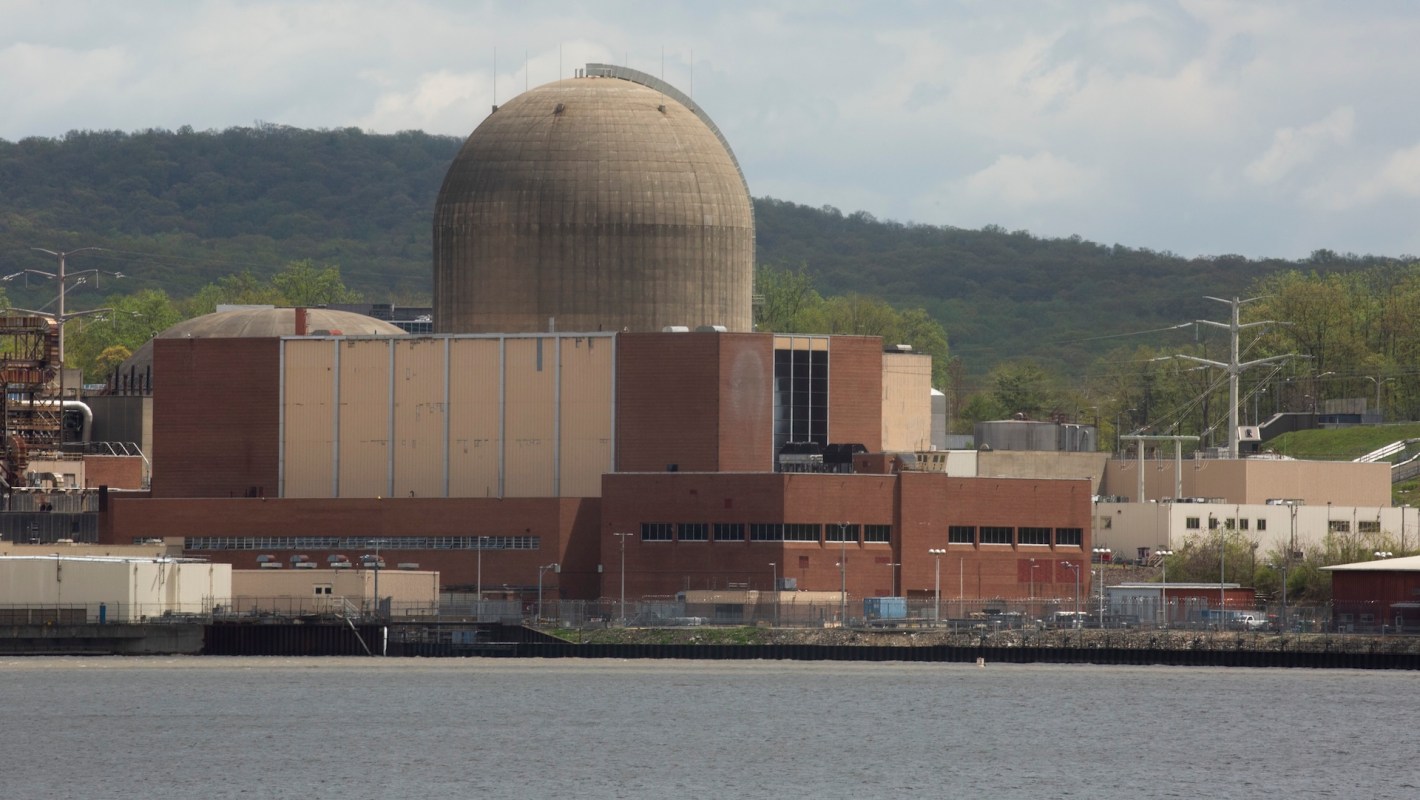
A decision to close a nuclear power plant that once supplied a quarter of New York City's and Westchester County's electricity is drawing renewed scrutiny as energy bills rise and green energy goals become more elusive.
What's happening?
The New York Post reported on the chorus of critics bemoaning the 2021 shuttering of the Indian Point Energy Center. Environmentalists, including Robert F. Kennedy Jr., encouraged the closure that happened under then-Gov. Andrew Cuomo.
Republican lawmakers and nuclear advocates are now blasting that decision as New York City is increasingly reliant on expensive and polluting natural gas.
"It was the safest nuclear power plant in the country," former Westchester County Executive Rob Astorino said. "Closing it was ridiculous and insane — and now we're paying the price."
Astorino and others argue that the location was perfectly situated, and the move was politically motivated. They point to rising energy bills and increasing reliance on volatile energy sources such as natural gas that move the area away from goals to decarbonize.
In response, a Cuomo spokesperson said the plant was a potential terrorist target and there were no clear ways to evacuate. Then-Mayor Bill de Blasio echoed that position, saying the plant was too close to the city, the Post reported.
TCD Picks » Quince Spotlight
💡These best-sellers from Quince deliver affordable, sustainable luxury for all




It is also worth pointing out that Indian Point required millions of dollars in subsidies to remain running and surrounding areas were plagued with pollution, according to John Howard, a former chair of the Public Service Commission, per the newspaper.
Why are New York's energy struggles important?
This controversy took root because of both the rising demand for energy and halted plans to boost capacity. Cuomo's spokesperson, Richard Azzopardi, said delayed clean energy projects failed to make up for the loss of Indian Point's capacity, according to the Post.
Some of that can be blamed on mismanagement, though more recently, the Trump administration has been openly hostile to clean energy projects. The plant's closure both increased carbon pollution and led to higher electricity prices.
While data is only as recent as 2023, natural gas' share of electric generation in the Empire State jumped to 50% from 39% in 2017, according to a report by the Foundation for Research on Equal Opportunity, as detailed by the Post.
|
Which of these savings plans for rooftop solar panels would be most appealing for you?
Click your choice to see results and earn rewards to spend on home upgrades. |
 Save $1,000 this year 💸
 The same report said closing Indian Point led to eight more megatons of carbon dioxide pollution in 2022. As the state tries to lower pollution and keep energy bills in check, increasing reliance on natural gas is a step in the wrong direction.
What's being done about New York's energy woes?
Gov. Kathy Hochul distanced herself from Indian Point's closure but opposes a reopening, the Post noted. Her office is exploring new nuclear plants upstate and bringing hydropower from Québec into the city.
Another helpful move would be to get shuttered offshore wind projects up and running.

Get TCD's free newsletters for easy tips to save more, waste less, and make smarter choices — and earn up to $5,000 toward clean upgrades in TCD's exclusive Rewards Club.






