


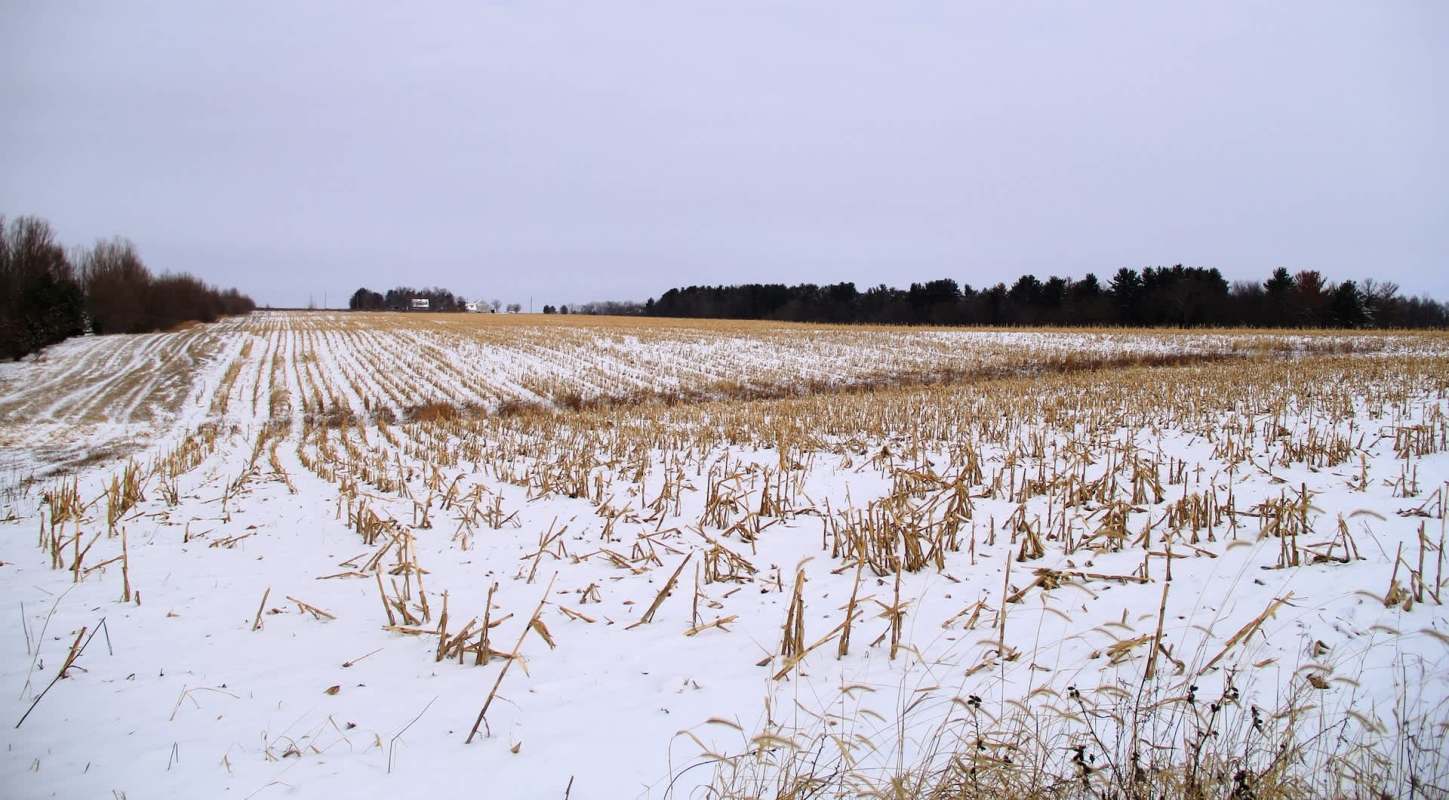
Winter droughts are setting the stage for a rough year in Michigan, according to the Ludington Daily News.
What's happening?
Based on data from the U.S. Drought Monitor, 45 Michigan counties are under drought conditions, some for more than six months. These conditions stand to extend into the spring and may affect the planting season for farmers.
"None of this is normal," said climatologist Lindsay Johnson, per the Ludington Daily News. "A lot of people are surprised about drought in the winter — especially in places that get snow."
Why is drought important?
"Michigan has a number of soil types in areas that are going to be particularly susceptible to some of these short-term droughts," said Tim Boring, the director of the Department of Agriculture and Rural Development, per the Ludington Daily News. "Some of those areas saw pretty significant production hits last year because it didn't rain for a couple of months throughout the growing season."
These drops in agricultural yields translate to higher grocery store prices and reduced food security.
At the root of these challenging conditions is atmospheric pollution. As emissions increase, droughts become more extreme, challenging food production worldwide. These trends swing the other direction as well. Extreme floods have destroyed crops, and even heavy rainfall can provide enough moisture to sustain fungal infections and pests.
TCD Picks » Quince Spotlight
💡These best-sellers from Quince deliver affordable, sustainable luxury for all




What's being done about drought?
To protect themselves from these conditions, Michigan land managers are working to improve resilience. By adopting no-till practices and deploying cover crops, farmers are able to improve the soil quality so it retains more moisture when rains return and aquifers recharge.
On an individual basis, you can help by wasting less water. This saves you money on utility costs while also leaving water for important agricultural operations. Doing so can be as simple as fixing leaky pipes or using rain barrels in the garden. Upgrading your yard with native species can also help reduce water usage, as local plants are adapted to the climate and naturally drought-resistant.
|
Which of these savings plans for rooftop solar panels would be most appealing for you?
Click your choice to see results and speak your mind. |
 Save $1,000 this year 💸
Get TCD's free newsletters for easy tips to save more, waste less, and make smarter choices — and earn up to $5,000 toward clean upgrades in TCD's exclusive Rewards Club.







