


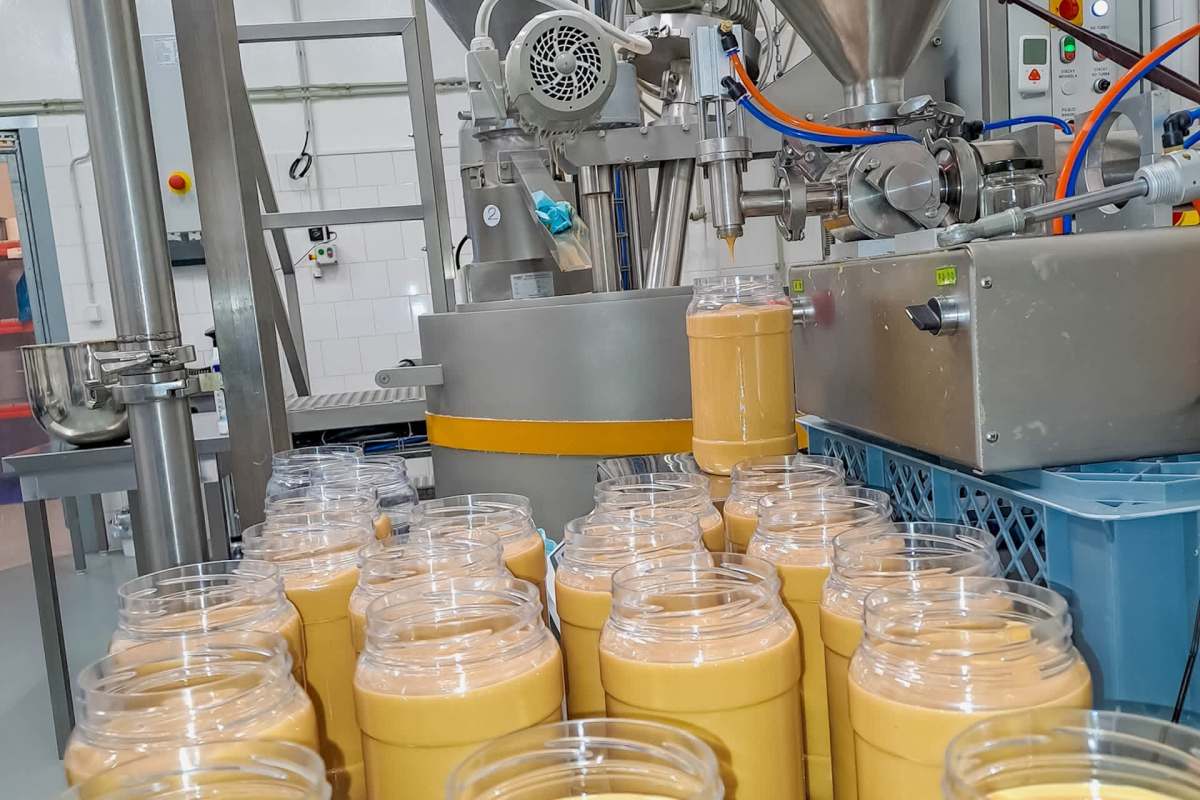
The Food and Drug Administration recalled tens of thousands of single-serve peanut butter products after a concerning discovery.
What's happening?
Nexstar (via ABC27) reported that more than nine months after Ventura Foods started a voluntary recall of the peanut butter, the FDA designated the situation a Class II recall.
In April, Ventura Foods kicked off the recall after finding "pieces of blue plastic in a filter," per an FDA report. Ventura Foods said that the affected peanut butter was served as a "complementary condiment" in restaurants and retail locations.
It affected more than 23,000 packages under multiple brand names, including House Recipe creamy peanut butter and Katy's Kitchen smooth peanut butter. The packages made their way to over 40 states from California to New Hampshire.
The FDA says a Class II recall is "a situation in which use of, or exposure to, a violative product may cause temporary or medically reversible adverse health consequences or where the probability of serious adverse health consequences is remote."
In a statement provided to Nexstar, Ventura Foods said it "acted with urgency" upon the discovery of blue plastic. It noted that while the FDA investigation took months, the company immediately informed customers and distributors to cease selling and giving out the product.
TCD Picks » Quince Spotlight
💡These best-sellers from Quince deliver affordable, sustainable luxury for all




"Protecting consumers remains our top priority, and we will continue to act swiftly and transparently as the FDA review progresses," Ventura Foods stated.
Why is plastic contamination in food important?
Food recalls show the perils of plastic packaging. While scientific understanding of the health impacts of ingesting microplastics is evolving, the early signs are highly concerning.
Research links microplastics exposure to hormone disruption and increased cancer risk, among other frightening findings. While the FDA's designation indicated exposure in this instance was unlikely to cause serious health consequences, consumers are continually subjected to plastic contamination.
Studies show that humans ingest microplastics unwittingly. Since plastic degrades into smaller and smaller pieces, the risk seems high for adulteration or for consumers to not even notice pollutants in their food.
|
What's the most you'd pay per month to put solar panels on your roof if there was no down payment?
Click your choice to see results and speak your mind. |
 $200 or more 💰
 Food recalls also indicate underlying issues with production processes. Whether contamination arises through inadequate oversight or safety inconsistencies, the effects are magnified if it involves dangerous substances.
What's being done about the FDA recall?
Since Ventura Foods acted quickly, the products should've been off shelves and out of storerooms months before the FDA's Class II recall.
It's unclear if Ventura got to the bottom of how the contamination occurred, but figuring out what went wrong will be key to preventing a repeat situation.

Get TCD's free newsletters for easy tips to save more, waste less, and make smarter choices — and earn up to $5,000 toward clean upgrades in TCD's exclusive Rewards Club.







