


Another island in Hawai'i is facing an infestation of "stinging ants," an invasive species that has been threatening the islands for decades now.
What's happening?
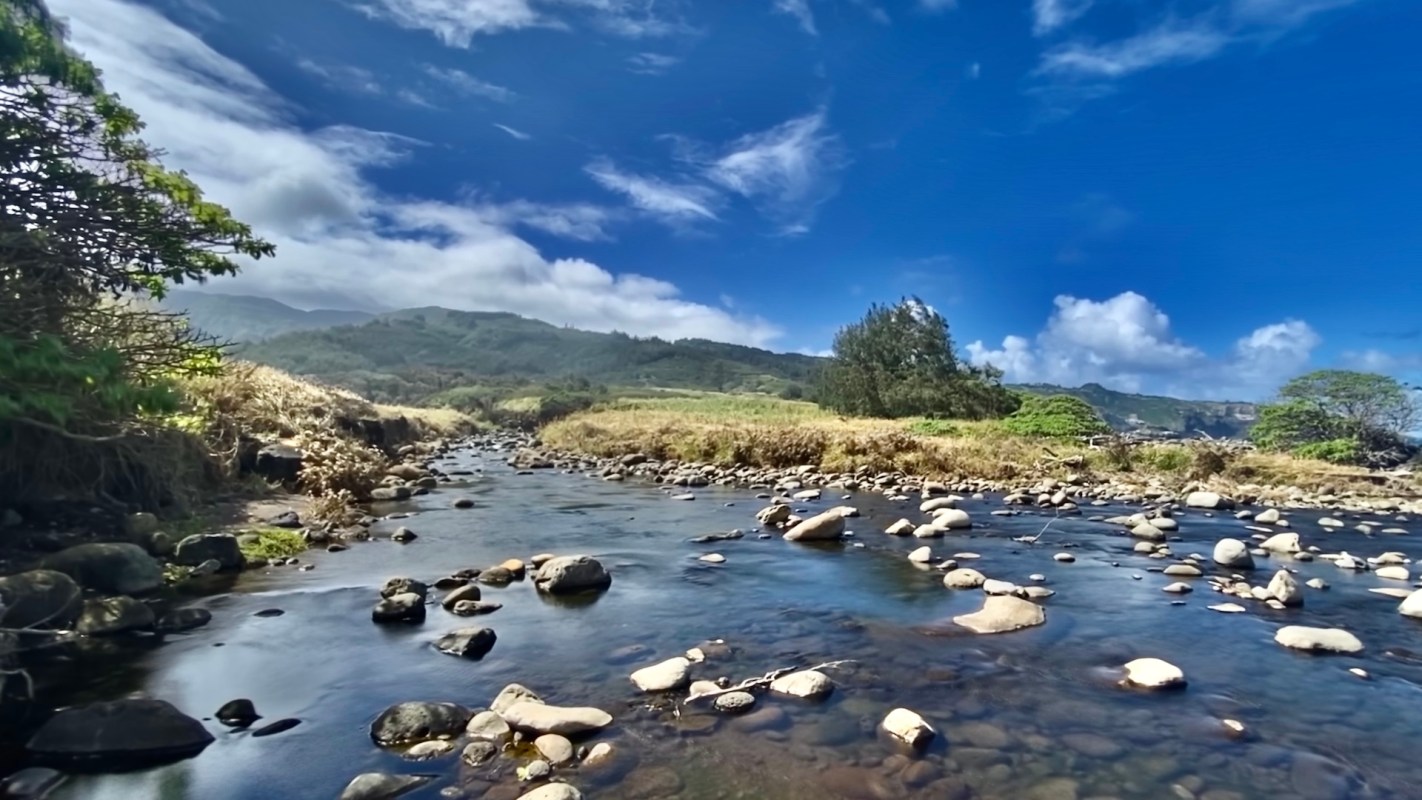
The Maui Invasive Species Committee discovered the presence of the little fire ant in the Waihe'e Coastal Dunes and Wetlands Refuge, according to Honolulu Civil Beat.
The committee has been keeping the invasive species at bay compared to the situation on the Big Island and O'ahu, but there has been an uptick in detections that is worrying experts.
"We're on the brink of winning or losing," Lissa Strohecker, a committee outreach and education specialist, told the outlet. "We don't want this to fail."
Brooke Mahnken, data manager and former fire ant coordinator for the committee, also warned that once the little fire ants establish a colony, they infest every square inch of the space. "When that happens, it's an incredible loss of biodiversity. Almost everything else is killed or eaten or driven out," he said.
Why are little fire ants important?
Little fire ants have been a persistent problem for the Hawaiian Islands for decades now. It is believed that they were introduced via shipments of plants to nurseries in the 1990s, per the Big Island Invasive Species Committee.
TCD Picks » Quince Spotlight
💡These best-sellers from Quince deliver affordable, sustainable luxury for all




Not only do they pose a threat to biodiversity by driving out competition and consuming everything in their wake, but they also have a painful sting that is harmful to humans and wildlife, in some cases leading to blindness after repeated stings.
If the conservation committees fail to prevent their spread, the little fire ants could devastate Hawai'i's delicate ecosystem, damaging native plants and wildlife, agriculture, and tourism.
What's being done about little fire ants?
MISC has had success eradicating the ants from nine different sites, utilizing treatments developed by the Big Island-based Hawai'i Ant Lab.
It spends the first year tracking an infestation by regularly treating the area with ant bait mixed with a growth inhibitor to prevent the ants from reproducing. The first year is followed by additional monitoring, sometimes employing the services of an ant detection dog to sniff out any stragglers, and repeated monitoring for five years until the site can be considered ant-free.
|
What's the most you'd pay per month to put solar panels on your roof if there was no down payment?
Click your choice to see results and speak your mind. |
 $200 or more 💰
 Residents are also encouraged to report sightings and check common hiding places, such as potted plants and other landscaping material, for any ants waiting to colonize.
Other islands have employed similar services to control little fire ant infestations. Last year, the Hawai'i Department of Agriculture partnered with pest control companies on a $1.1 million contract to treat several hundred homes on O'ahu, with plans to expand to Maui, Kaua'i, and Hawai'i Island in the future.

Get TCD's free newsletters for easy tips to save more, waste less, and make smarter choices — and earn up to $5,000 toward clean upgrades in TCD's exclusive Rewards Club.







