


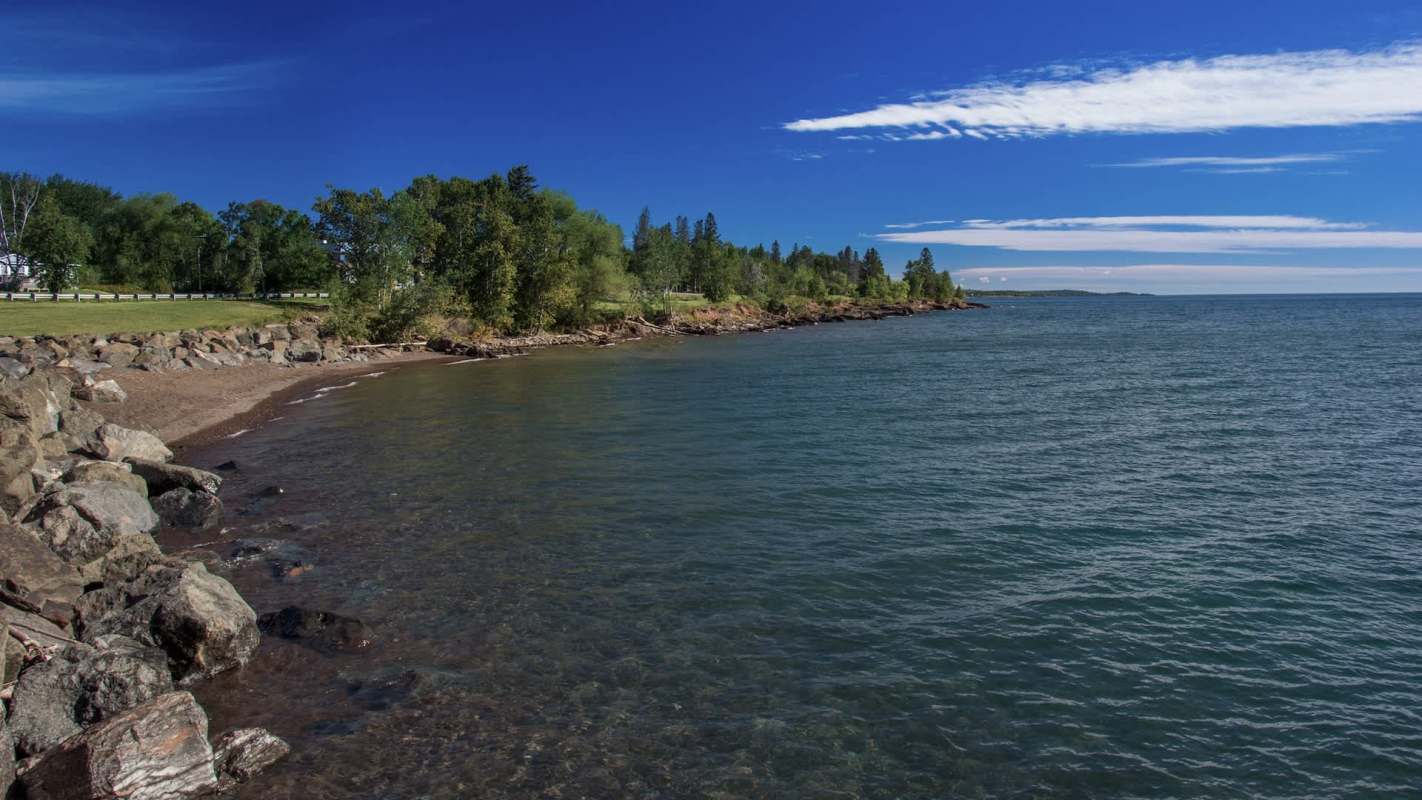
Tiny mollusks are a huge problem for the Great Lakes.
Hundreds of different species of plants and animals call the Great Lakes home, but some residents, like the zebra mussel, aren't welcome.
The mussels were first seen in the lakes in the 1980s and were detected in all five of the lakes within a decade. Conservationists have been fighting to slow the mussels' spread, but "recently, scientists observed mussels for the first time in Black Bay, east of Thunder Bay, Ontario," in Canada, according to the Milwaukee Journal Sentinel.
Zebra mussels are small, freshwater mollusks native to Eurasia. The mussels likely arrived in ship ballast water and spread rapidly. They've been found in lakes across the country, such as Iowa, Texas, and Colorado.
Like other invasive species, the mussels have dramatically altered the lakes' ecosystem, outcompeting native species for finite resources. This is especially the case for plankton, the National Park Service reported — mussels ravenously consume plankton, limiting an essential food source for other species in the lake.
Infrastructure is affected, too, as the mussels form dense colonies in and around ships, pipes, and docks, damaging them and reducing water flow.
TCD Picks » Quince Spotlight
💡These best-sellers from Quince deliver affordable, sustainable luxury for all




Invasive species, whether plant or animal, are difficult to remove, especially without harming other native species in the area. For zebra mussels, localized removal, like pressure washing and hand-picking, is usually the safest and most effective method, but it is also one of the most time-consuming.
Lauren Isbell, a graduate student at the University of Minnesota Duluth, is one of many divers dedicated to removing the mollusks from Lake Superior. She dives into the lake and removes each mussel by hand.
"It's like looking in your garden, the longer you look the more you will find," Isbell said, per Milwaukee Journal Sentinel.
|
What's the most you'd pay per month to put solar panels on your roof if there was no down payment?
Click your choice to see results and speak your mind. |
 $200 or more 💰
Get TCD's free newsletters for easy tips to save more, waste less, and make smarter choices — and earn up to $5,000 toward clean upgrades in TCD's exclusive Rewards Club.







