


Air pollution is usually framed as an outdoor problem — something caused by traffic, industry, or wildfire smoke. But new research suggests a quieter, lesser-known form of pollution may be building inside our homes, with potential consequences for heart health, as relayed by Phys.org.
What's happening?
A study published in ACS ES&T Air looked at what happens when ozone, a common outdoor air pollutant, enters indoor spaces where people spend nearly 90% of their time.
Researchers tracked indoor air quality and health markers among 110 healthy college students living in dormitories in Lhasa, China — a location chosen for its high ozone levels and relatively low interference from other pollutants.
They found that ozone doesn't simply dissipate indoors. Instead, it reacts with oils from human skin, cooking residues, and even wall paint, producing chemicals called carbonyls. One of these, decanal, reached concentrations up to 15 times higher indoors than outdoors.
Higher exposure to these ozone-derived chemicals was associated with increases in red blood cell indicators like hemoglobin and hematocrit — changes that can thicken the blood and make it harder for the heart to pump efficiently.
Why is this concerning?
Ozone has long been recognized as a respiratory irritant, but carbonyls behave differently. Unlike ozone, which tends to remain in the upper airways, these reaction products can travel deeper into the lungs and potentially enter the bloodstream.
TCD Picks » Quince Spotlight
💡These best-sellers from Quince deliver affordable, sustainable luxury for all




Elevated red blood cell counts are linked to increased cardiovascular strain and a higher risk of heart-related complications. While the study focused on young, healthy adults, the findings raise concerns for older people, those with heart conditions, and communities already exposed to high levels of air pollution.
The research adds to a growing body of evidence that indoor environments can harbor hidden health risks — similar to recent findings showing harmful chemicals in everyday household items and misleading safety claims surrounding supposedly safer cleaning products.
What's being done about it?
Researchers say the findings highlight the need for stronger indoor air quality standards and more attention to how everyday indoor chemistry affects long-term health.
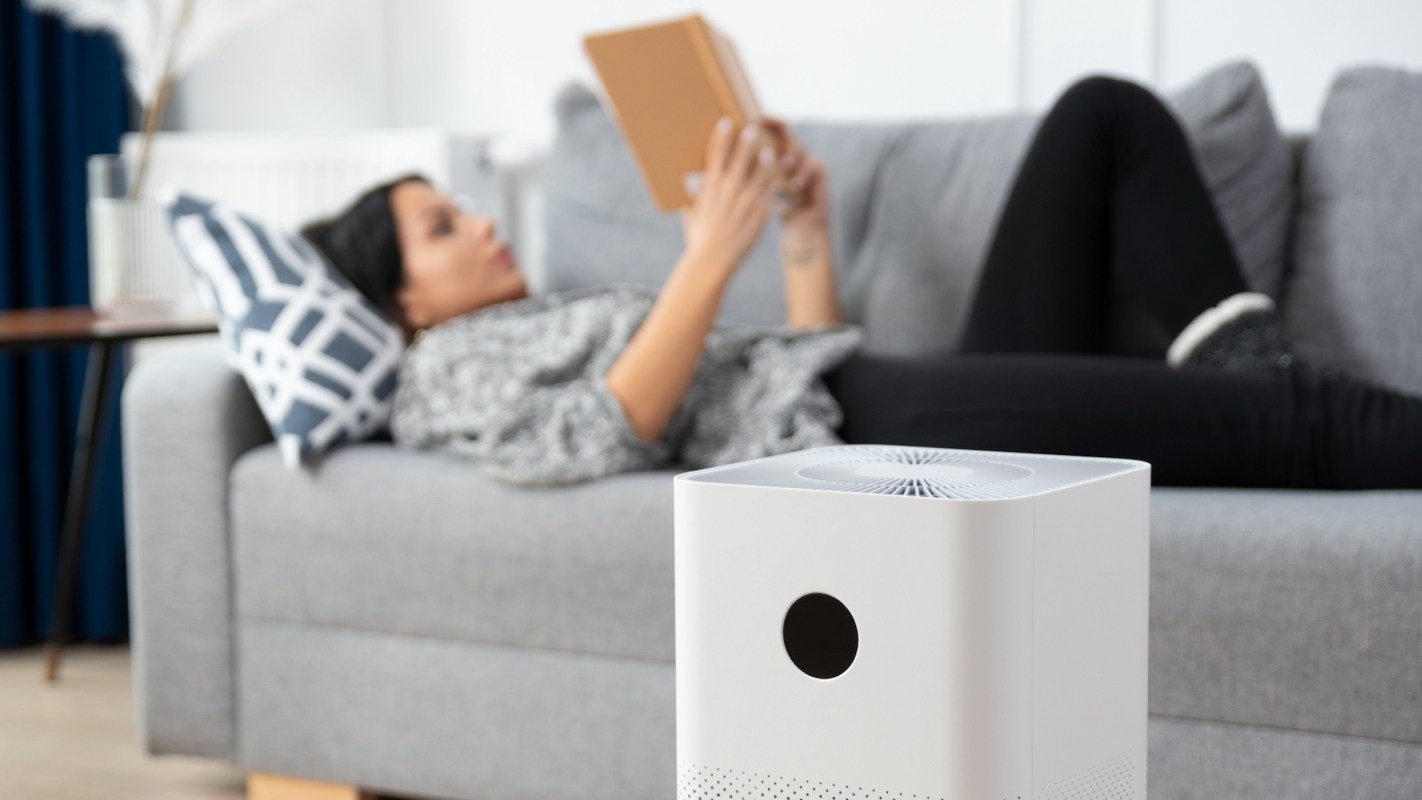
At home, individuals can improve ventilation when possible, use air filtration systems to reduce indoor pollutants, and minimize activities that increase indoor chemical reactions, such as cooking without ventilation.
|
What's the most you'd pay per month to put solar panels on your roof if there was no down payment?
Click your choice to see results and speak your mind. |
 $200 or more 💰
Get TCD's free newsletters for easy tips to save more, waste less, and make smarter choices — and earn up to $5,000 toward clean upgrades in TCD's exclusive Rewards Club.






