


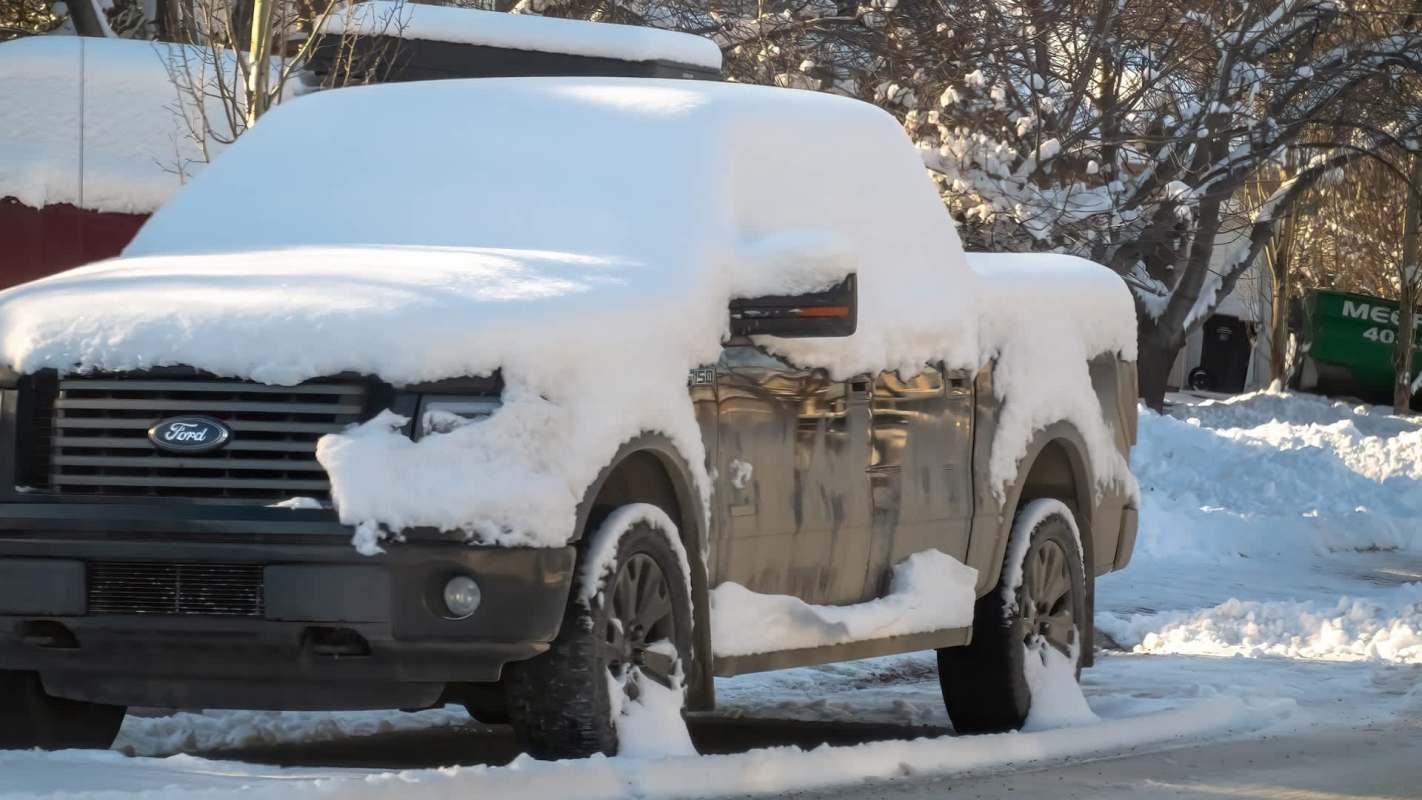
When a powerful ice storm knocked out power for days, one Ford F-150 owner discovered that his truck had a lifesaving feature he never expected to rely on.
After freezing rain brought down power lines and left his home without electricity for 11 days, Robert Ott used his Ford F-150 PowerBoost to power essential appliances and keep his household running. The story, reported by Torque News, highlights a growing benefit of certain electric and hybrid trucks: built-in backup power.
Some newer Ford F-150 models are equipped with Pro Power Onboard technology, which allows the vehicle's battery to deliver electricity through integrated outlets. In Ott's case, his car kept two full-size refrigerator/freezers and a tankless water heater running, while also keeping his Wi-Fi and TV on during the outage.
Being prepared for a snowstorm or other weather emergencies is becoming more important than ever, considering rising global temperatures are increasing the severity and frequency of extreme weather events. Using your vehicle to power your home in an outage and advanced filtration systems that protect drivers from wildfire smoke are a few examples of how modern vehicular technology is helping owners become more resilient.
For families in regions prone to ice storms, hurricanes, or heat waves, that kind of resilience can make a big difference. Traditional gas-powered generators require fuel and regular maintenance. An electric or hybrid vehicle, by contrast, can store energy in its battery and deliver it instantly — and when paired with home charging or solar, it can become an even more useful asset for staying resilient.
As severe weather events become more common and disruptive in many parts of the country, technologies that help households stay powered and safe are living up to the hype. For this truck owner, his F-150 was more than just a way to get from A to B; it was a backup power source when it mattered most.
TCD Picks » Quince Spotlight
💡These best-sellers from Quince deliver affordable, sustainable luxury for all




One commenter on the story pointed out the upside to Ott's experience, saying: "Temperature was sub-zero, so it saved his life or at least saved him $300 a night for a hotel room plus damage to the plumbing in the house."
Another commenter wrote: "I did the same in north Louisiana for 6 days. I burned less than a 1/4 tank per 24 hours."
|
What's the most you'd pay per month to put solar panels on your roof if there was no down payment?
Click your choice to see results and speak your mind. |
 $200 or more 💰
Get TCD's free newsletters for easy tips to save more, waste less, and make smarter choices — and earn up to $5,000 toward clean upgrades in TCD's exclusive Rewards Club.






