


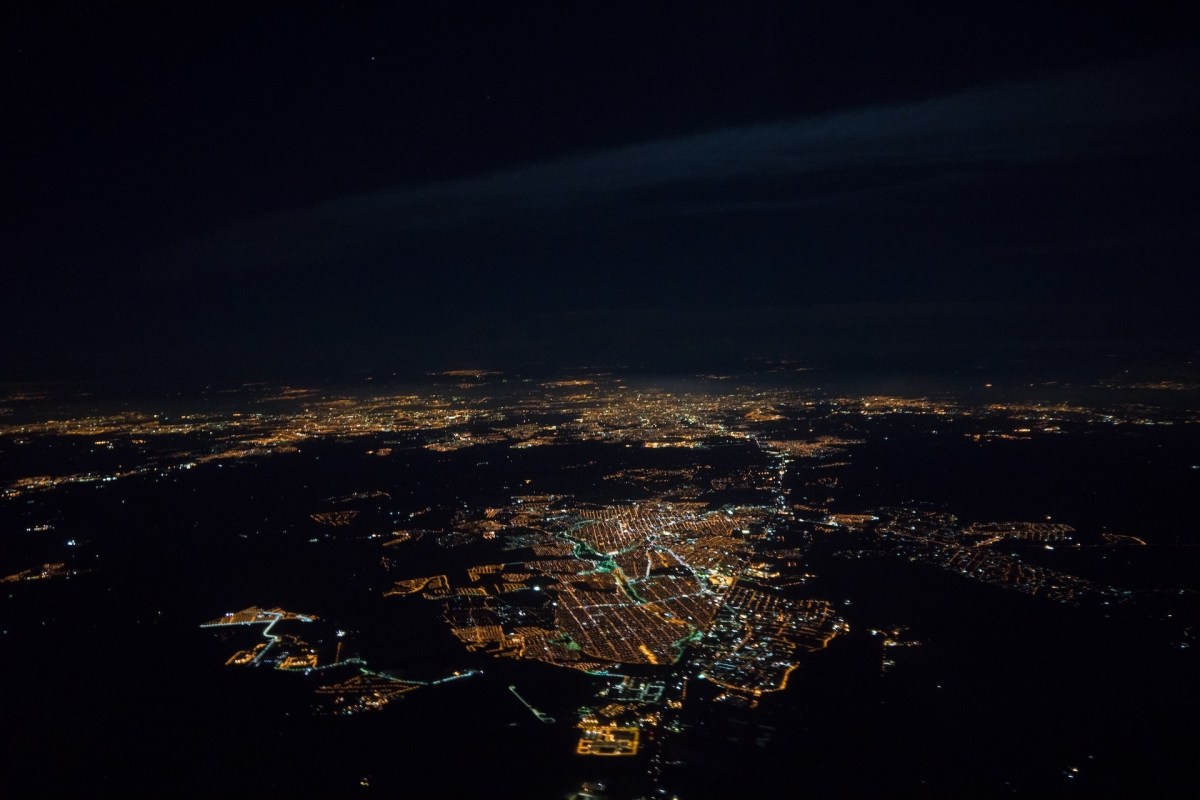
It might seem like a contradiction, but São Paulo, Brazil, is dealing with both too much water and not enough.
What's happening?
Bloomberg reported on how the city of approximately 21 million residents is simultaneously contending with severe flash floods and the worst drought in a decade. Reservoir levels from the area's biggest network, Cantareira, sit at 32% of capacity despite huge rainstorms that cost four residents their lives.
The low water levels are sparking fears that the city will have a repeat of the 2014-15 drought that featured water restrictions for over 600 days. Economically, the city and nation suffered to the tune of $5 billion in 2014 alone, according to insurer Munich Re's report.
Already, top water utility Sabesp is taking measures that are impacting a large number of residents. A restaurant owner said he has to close early on days when he can't store water to deal with the water being turned off.
A student on the city's outskirts, Ilana Ori, has had to heat water on the stove to bathe.
"The water usually stops flowing around 9:30 p.m., but there have been days with no supply at all," Ori said.
TCD Picks » Quince Spotlight
💡These best-sellers from Quince deliver affordable, sustainable luxury for all




Why are São Paulo's simultaneous climate challenges important?
The drought conditions threaten to plunge São Paulo into a repeat of the 2014-15 crisis. The saga illustrates how human actions in Brazil, including deforestation and burning fuels like oil and gas, are leading to dangerous weather patterns.
"What's behind all of this is climate change, derived not only from global warming and greenhouse gas emissions, but also from land use change," said meteorologist Marcelo Seluchi.
Seluchi pointed to deforestation's effect of reducing rain through lower evaporated moisture. Meanwhile, higher temperatures were causing more extreme rainfall and subsequent flash floods on the rarer occasions when it did precipitate.
The net result is that São Paulo's paved streets are dangerously flooded, while often poorer residents without access to water pumps are left without water.
TCD Picks » Quince Spotlight
💡These best-sellers from Quince deliver affordable, sustainable luxury for all
|
What's the most you'd pay per month to put solar panels on your roof if there was no down payment?
Click your choice to see results and speak your mind. |
 $200 or more 💰
 What's being done about São Paulo's potential drought?
Sabesp says beyond rationing water, it has launched a program to install free water tanks in low-income households, though residents like Ori expressed skepticism about that.
The utility says it's taken steps to aid the Cantareira reservoir system, the city's biggest water source, and add new systems.
It also revealed plans to invest $1 billion to reforest around Cantareira and upgrade its equipment with new tech. Luz Adriana Cuartas, a researcher, wondered if Sabesp's steps were a case of too little, too late.
"When conditions become extremely critical, the most responsible course of action is to operate the system as if the worst-case scenario were already in effect precisely to prevent it from happening," Cuartas said, per Bloomberg.

Get TCD's free newsletters for easy tips to save more, waste less, and make smarter choices — and earn up to $5,000 toward clean upgrades in TCD's exclusive Rewards Club.







